HeadPowder, a leading enterprise in the field of material handling solutions, specializes in the design and implementation of pneumatic conveying systems tailored for metal iron powder materials. This article delves into the fundamental principles of pneumatic conveying and highlights the key characteristics of its application scenarios, providing a comprehensive overview for professionals in the industrial sector.
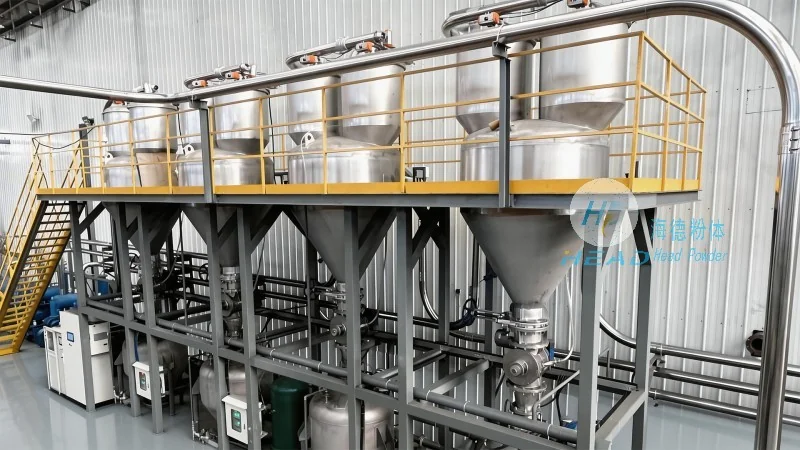
Principle of Pneumatic Conveying for Metal Iron Powder Materials
Pneumatic conveying, also known as air conveying, is a method that utilizes compressed air or gas to transport bulk materials, such as metal iron powder, through a pipeline system. The core principle involves creating a pressure differential between the inlet and outlet of the conveying line. By injecting air into the material stream, the powder particles are suspended and propelled along the pipeline. This process eliminates the need for mechanical components like buckets or belts, offering a more efficient and flexible solution for handling fine or abrasive materials. The system typically consists of a feeding device, a conveying line, a separation unit, and a collection hopper. The feeding device ensures a consistent flow of iron powder into the system, while the conveying line transports the material to the desired location. The separation unit, often a cyclone or filter, separates the air from the powder, allowing the iron powder to be collected in the hopper. This closed-loop system minimizes dust emissions and ensures a clean, controlled environment, which is crucial for maintaining product quality and operational safety.
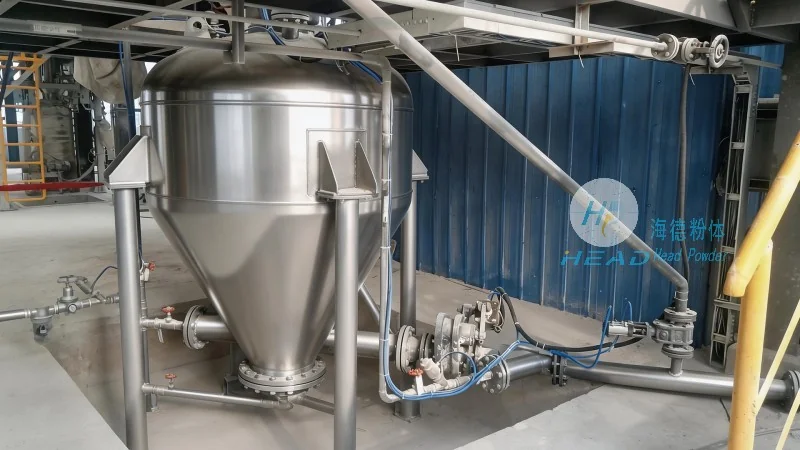
Key Characteristics of Working Scenarios for Pneumatic Conveying Systems
The application of pneumatic conveying for metal iron powder materials varies across different industrial settings, each with distinct characteristics that influence system design and performance. In manufacturing plants, for instance, the system is often integrated into production lines to transport iron powder from storage silos to processing equipment, such as mixers or furnaces. The key characteristics in this scenario include high throughput requirements, as production demands a continuous supply of raw materials. The system must also be capable of handling varying particle sizes and moisture content, ensuring consistent material quality. Another scenario involves the use of pneumatic conveying in research and development laboratories, where precise control over material flow is essential. Here, the system may employ low-pressure or vacuum conveying to handle smaller quantities of iron powder, with features like adjustable flow rates and particle size separation to meet experimental needs. Additionally, in recycling facilities, pneumatic conveying is used to transport reclaimed iron powder from sorting processes to reprocessing units. The working scenario in this case emphasizes durability and resistance to corrosion, as the material may contain contaminants that could degrade the system over time. Overall, the working scenarios for pneumatic conveying in metal iron powder applications are diverse, requiring tailored solutions that address specific operational challenges and ensure optimal performance.
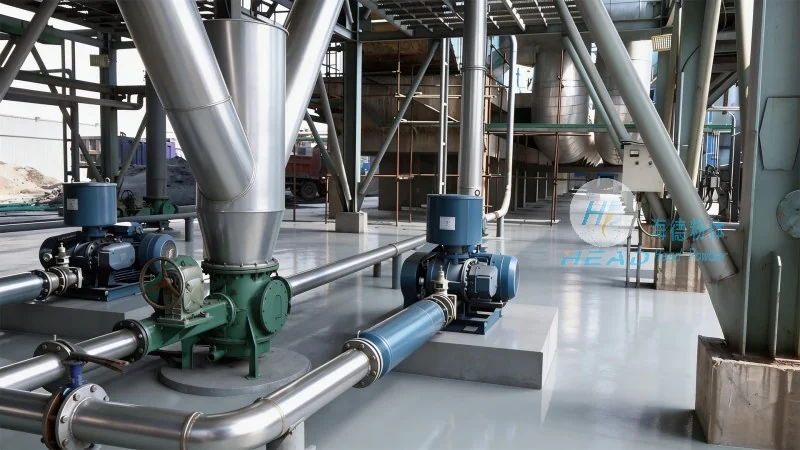
About Shandong HeadPowder Engineering Co., Ltd.
HeadPowder, formally known as Shandong HeadPowder Engineering Co., Ltd., is a professional manufacturer and supplier of advanced material handling equipment. With a focus on innovation and quality, the company has established itself as a trusted partner in the industry, providing customized pneumatic conveying systems for various applications. HeadPowder's headquarters is located in Shandong, China, where the company leverages its extensive experience and technical expertise to develop cutting-edge solutions for clients worldwide. The company's commitment to customer satisfaction and product reliability has earned it a strong reputation in the market, making it a preferred choice for businesses seeking efficient and reliable material handling solutions.




