Phenolic powder, also known as Bakelite powder, is a type of thermosetting plastic powder widely used in various industrial applications. The efficient and reliable transportation of this material is crucial for maintaining production efficiency and ensuring product quality. The pneumatic conveying line designed for phenolic powder offers a solution that addresses the unique challenges associated with handling such powders, including their fine particle size, static electricity, and potential for dust explosion risks. This article will explore the working principle and key features of the phenolic powder material pneumatic conveying line, highlighting how it enhances operational safety and productivity in industrial settings.
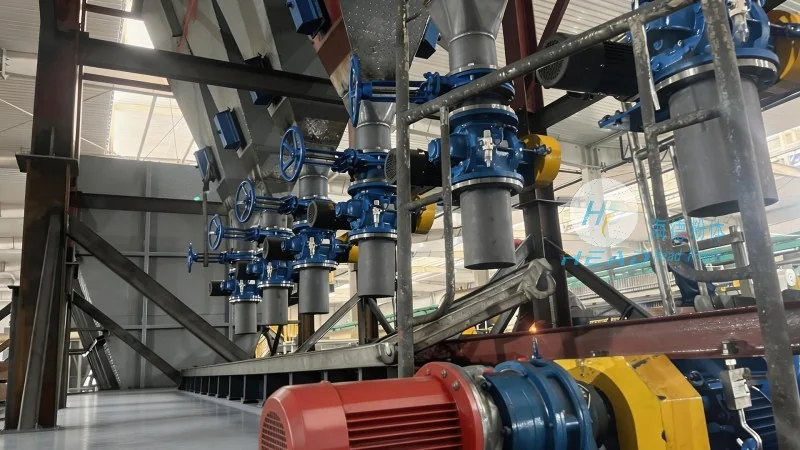
Company Overview: Shandong HeadPowder Engineering Co., Ltd.
HeadPowder, a leading manufacturer in the field of material handling equipment, specializes in developing customized pneumatic conveying systems tailored to the specific needs of industrial clients. With a strong commitment to innovation and quality, the company has established itself as a trusted partner for businesses requiring advanced solutions for powder transportation. HeadPowder's engineering expertise and manufacturing capabilities enable the development of robust, efficient, and safe conveying systems that meet the highest industry standards. The company's headquarters is located in Shandong, China, where it operates a state-of-the-art production facility equipped with modern technology and skilled personnel.
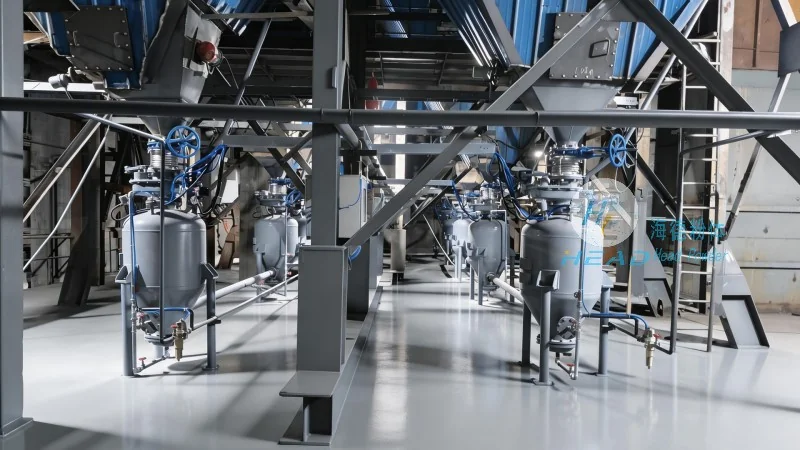
Working Principle of Phenolic Powder Pneumatic Conveying Line
The phenolic powder material pneumatic conveying line operates on the principle of pneumatic transport, which involves the use of air or gas to move bulk materials through a pipeline system. In this system, the phenolic powder is introduced into a hopper or feeder, where it is then drawn into the conveying line by a vacuum or pressure source. The air flow, generated by a blower or compressor, carries the powder particles through the pipeline, ensuring a continuous and controlled flow. The conveying process typically involves several key components, including a hopper, feeder, pipeline, and receiver. The hopper serves as a storage container for the powder, while the feeder regulates the flow rate to maintain consistent material delivery. The pipeline, made from materials resistant to the chemical properties of phenolic powder, ensures minimal material degradation and corrosion. The receiver is designed to collect the conveyed powder at the destination point, completing the transport cycle. The entire system is controlled by a series of valves, sensors, and a control panel, which allows for precise adjustment of the conveying parameters to optimize performance.
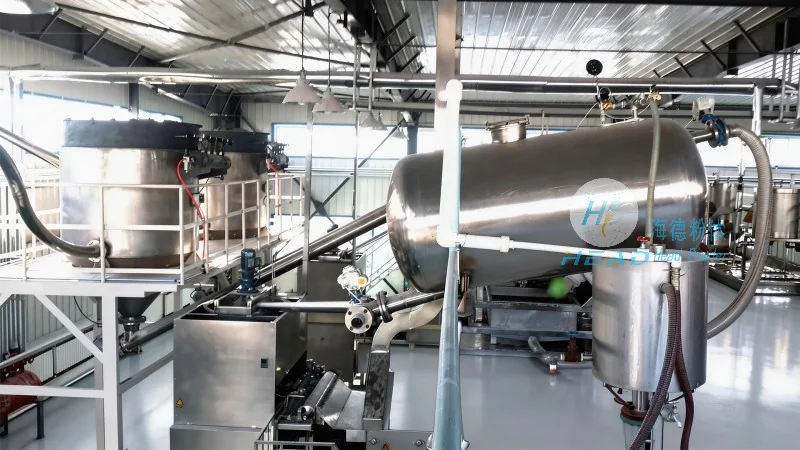
Key Features of Phenolic Powder Pneumatic Conveying Line
The phenolic powder pneumatic conveying line from HeadPowder is designed with several advanced features that enhance its performance and reliability. One of the primary features is the use of high-efficiency blower technology, which provides consistent air pressure and flow rates, ensuring reliable material transport even with fine powder particles. The system incorporates static elimination devices, such as ionizers or anti-static materials, to prevent static buildup that could lead to dust explosions or material sticking. Additionally, the conveying line is equipped with filtration systems to capture and collect any dust particles, maintaining a clean and safe working environment. The design also includes a flexible and modular structure, allowing for easy installation and integration into existing production lines. The system is also equipped with safety features, including pressure relief valves and emergency shut-off mechanisms, to prevent accidents and ensure operational safety. Furthermore, the use of corrosion-resistant materials, such as stainless steel or special coatings, protects the equipment from the chemical properties of phenolic powder, extending its service life and reducing maintenance costs.
Advantages of Using Phenolic Powder Pneumatic Conveying Line
Implementing a phenolic powder pneumatic conveying line offers numerous advantages for industrial operations. The primary benefit is the significant improvement in operational efficiency, as the system allows for continuous and automated material transport, reducing labor costs and increasing production throughput. The system also enhances safety by minimizing the risk of dust explosions and material handling accidents, as the powder is contained within a closed pipeline system. Additionally, the use of a pneumatic conveying line reduces the need for manual handling, which can lead to product contamination and worker injuries. The system also provides better control over the material flow rate, ensuring consistent quality and reducing waste. Furthermore, the modular design of the system allows for easy expansion or modification as production needs change, providing long-term value and flexibility. The use of advanced control systems enables real-time monitoring and adjustment of the conveying parameters, ensuring optimal performance and reducing downtime.
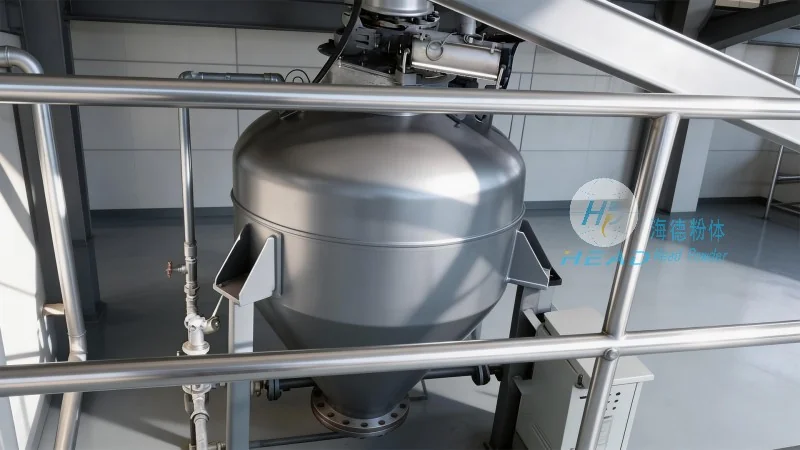
Application Scenarios
The phenolic powder pneumatic conveying line is suitable for a wide range of industrial applications, including the manufacturing of phenolic resins, composites, and molded parts. It is commonly used in industries such as automotive, electronics, and construction, where phenolic powder is used as a raw material. The system is particularly effective in applications where the powder needs to be transported over long distances or through multiple processing stages. For example, in the production of phenolic molded parts, the conveying line can transport the powder from a storage silo to a molding machine, ensuring a continuous supply of material. In the automotive industry, the system is used to transport phenolic powder for the manufacturing of components such as brake pads and clutch plates. The construction industry also utilizes the system for the production of phenolic-based insulation materials and structural components. The versatility of the phenolic powder pneumatic conveying line makes it an ideal solution for various industrial applications, providing reliable and efficient material transport.




