Industrial salt is a critical raw material across diverse industries such as chemical manufacturing, food processing, and water treatment. The efficient and reliable transportation of industrial salt is pivotal for sustaining production efficiency and ensuring product quality. Pneumatic conveying lines have emerged as a preferred solution for handling industrial salt due to their ability to transport materials in a dust-free, hygienic manner. This article explores the working principle and key features of industrial salt material pneumatic conveying lines, offering insights into their design, operation, and benefits.
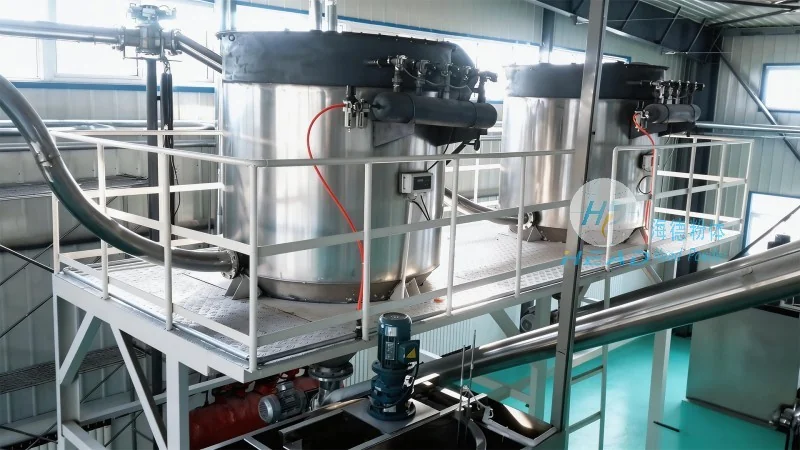
Introduction to Industrial Salt Material Pneumatic Conveying Lines
Pneumatic conveying systems utilize air or other gases to transport bulk materials like industrial salt through a network of pipes. These systems are widely adopted where traditional mechanical conveying methods may not be suitable, particularly due to the material's hygroscopic properties or the need for dust-free environments. The industrial salt material pneumatic conveying line is specifically engineered to accommodate the unique characteristics of salt, including its density, flowability, and potential for moisture absorption. By leveraging pneumatic technology, these systems provide a flexible and efficient solution for moving salt from storage to processing units or for distribution to end-users.
Working Principle of Pneumatic Conveying Systems for Industrial Salt
The core working principle of industrial salt material pneumatic conveying lines involves using air pressure to move the material through a pipeline. The system typically comprises a blower or compressor that generates the necessary air flow, a hopper or feeder that meters the salt into the system, and a series of pipes that transport the material to the discharge point. The process starts when industrial salt is introduced into the hopper, where it is metered and then conveyed through the pipeline by the moving air. The air pressure creates a negative or positive pressure environment, depending on the system design, which pulls or pushes the salt particles along the pipe. The air velocity is carefully controlled to ensure full entrainment of the salt particles, preventing blockages or excessive wear on system components.
Two primary types of pneumatic conveying systems are used for industrial salt: dilute phase and dense phase. Dilute phase systems operate at higher air velocities (typically 20-30 meters per second) and are suitable for short to medium distances. They are efficient for transporting dry, free-flowing materials like industrial salt. Dense phase systems, conversely, operate at lower air velocities and higher material concentrations, making them ideal for longer distances or when handling cohesive or bridging-prone materials. The choice between these systems depends on factors like distance, material characteristics, and desired flow rate.
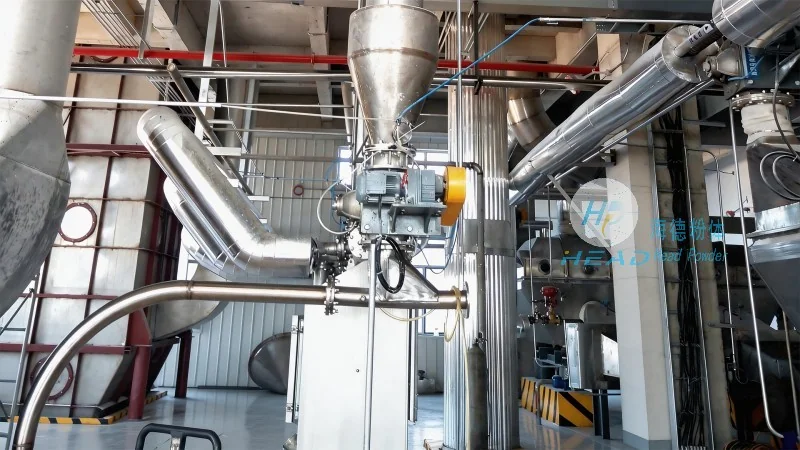
Key Features of Industrial Salt Pneumatic Conveying Lines
Industrial salt material pneumatic conveying lines are distinguished by several key features that make them superior to traditional conveying methods. First, they provide a dust-free and hygienic environment, critical in industries like food processing or pharmaceutical manufacturing where contamination must be minimized. The enclosed system prevents dust from escaping, reducing health hazards and maintaining product purity. Second, these systems offer high efficiency and flexibility. They can be easily adapted to changing production needs, with adjustable flow rate and pressure as required. This flexibility allows seamless integration into existing production lines and simplifies maintenance and operation.
Another important feature is the ability to handle a wide range of industrial salt types and sizes. Whether dealing with fine granules, coarse crystals, or mixed grades, the pneumatic conveying line accommodates different particle sizes and shapes without additional processing steps. The system ensures uniform material flow, preventing segregation and ensuring consistent product quality. Additionally, using air as the conveying medium reduces the risk of material degradation or contamination, which is vital for industrial salt used in sensitive applications.
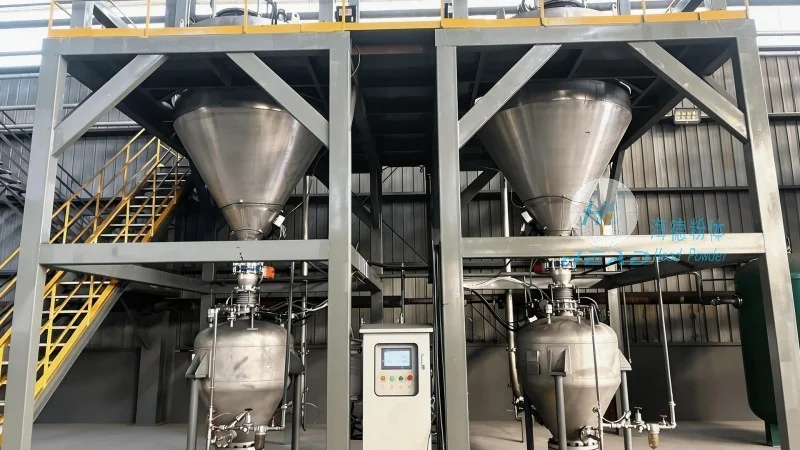
Technical Advantages and Application Scenarios
The technical advantages of industrial salt material pneumatic conveying lines include their closed system operation, which minimizes material loss and environmental impact. The system is also energy-efficient compared to other conveying methods, as air pressure can be optimized to reduce energy consumption while maintaining required flow rates. Furthermore, the compact design allows for space-saving installations, suitable for facilities with limited floor space. In application scenarios, these systems are commonly used in salt processing plants to transport raw salt from storage silos to processing units. They are also employed in food and beverage industries for salt used in seasoning and preservation. Additionally, in water treatment facilities, pneumatic conveying lines transport salt for desalination or water softening processes.
Company Profile: Shandong HeadPowder Engineering Co., Ltd.
Shandong HeadPowder Engineering Co., Ltd. is a leading manufacturer and supplier of industrial material handling solutions, including pneumatic conveying systems for industrial salt. With years of industry experience, the company specializes in designing and manufacturing high-quality, customized pneumatic conveying lines tailored to client needs. The company's products are recognized for their durability, efficiency, and reliability, making them a preferred choice for businesses across various sectors. HeadPowder Engineering is committed to providing innovative solutions that enhance production efficiency and ensure product quality. The company's headquarters is located in Shandong, China, where it has a state-of-the-art manufacturing facility and a team of experienced engineers and technicians dedicated to developing cutting-edge material handling technologies.
Conclusion
In conclusion, industrial salt material pneumatic conveying lines are an essential component of modern industrial operations, offering a reliable and efficient solution for transporting bulk materials. The working principle of these systems, which relies on air pressure to move material through a pipeline, provides a dust-free and hygienic environment while maintaining high efficiency. The key features of these lines, including flexibility, durability, and the ability to handle various salt types, make them superior to traditional conveying methods. As a leading provider of pneumatic conveying systems, Shandong HeadPowder Engineering Co., Ltd. continues to innovate and deliver high-quality solutions that meet the evolving needs of the industrial sector. By leveraging pneumatic technology, industries can enhance production processes, reduce operational costs, and ensure consistent product quality.




