Rice flour is a critical component in numerous food products, and efficient handling of this fine material is essential for preserving product quality and optimizing operational efficiency in food processing operations. Pneumatic conveying systems have become a preferred method for transporting rice flour due to their ability to handle delicate, powdery substances with minimal risk of degradation or contamination. This article examines the working principle and key characteristics of rice flour material pneumatic conveyors, highlighting how they contribute to effective material management in the food industry.
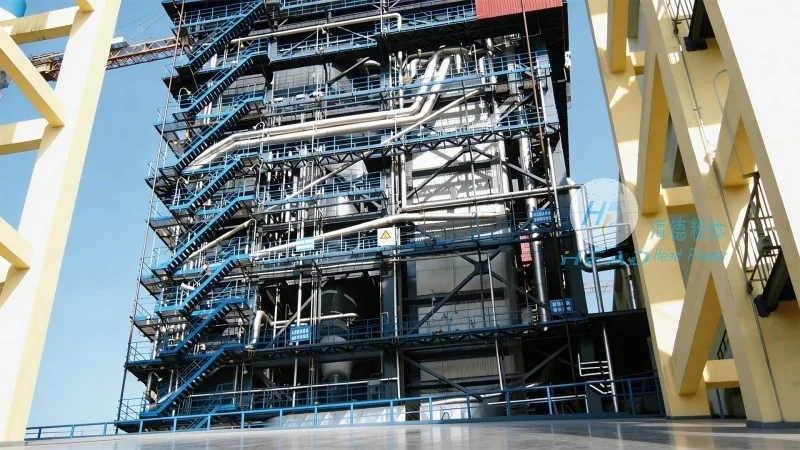
Understanding the Working Principle of Rice Flour Material Pneumatic Conveyors
The fundamental operation of a rice flour material pneumatic conveyor revolves around using air pressure to move the material through a sealed system. The process typically involves several interconnected components and steps. Initially, rice flour is introduced into the system via a hopper or specialized feeder, ensuring a consistent flow of material. Subsequently, a fan or blower generates the necessary air pressure, either by blowing air into the system (positive pressure) or by creating a vacuum (negative pressure) to draw the material in. The air and material mixture then travels through a network of pipes, where the rice flour is suspended and transported to the destination point. At the end of the conveyor, a separator or cyclone separates the material from the air, allowing the rice flour to be collected in a bin or silo while the air is either filtered or recirculated.
Given rice flour's fine particle size and tendency to agglomerate or clog, the design of the pneumatic conveyor is paramount. The system often incorporates features such as a rotary valve or star feeder at the inlet to prevent blockages and ensure smooth material flow. The air velocity within the pipes is carefully regulated to maintain the material in a suspended state without causing excessive wear or degradation. This controlled air flow also helps minimize dust emissions and maintain a clean working environment, which is vital in food processing applications.
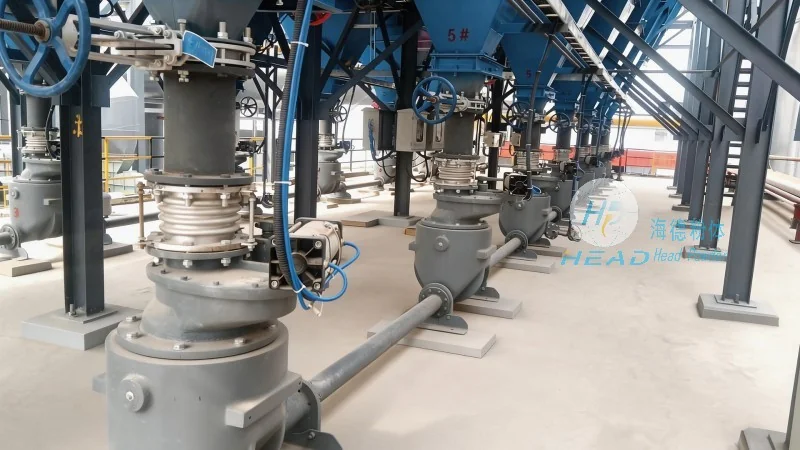
Key Features of Rice Flour Material Pneumatic Conveyors
Rice flour material pneumatic conveyors offer several advantages that make them ideal for handling this delicate product. One of the most significant features is their ability to provide a clean and hygienic transfer process. Unlike mechanical conveyors, which may involve direct contact with moving parts, pneumatic systems keep the rice flour in a sealed environment, reducing the risk of contamination from external sources. This is particularly important in food processing, where maintaining product purity and adhering to strict hygiene standards is non-negotiable.
Another key feature is the high efficiency and flexibility of these systems. Pneumatic conveyors can transport rice flour over long distances and through complex pipe layouts, making them suitable for large-scale production facilities. The ability to adjust the air pressure and flow rate allows operators to optimize the system for different material characteristics or production rates, ensuring consistent performance. Additionally, the system can be easily integrated with other processing equipment, such as mixers, extruders, or packaging machines, creating a seamless material handling workflow.
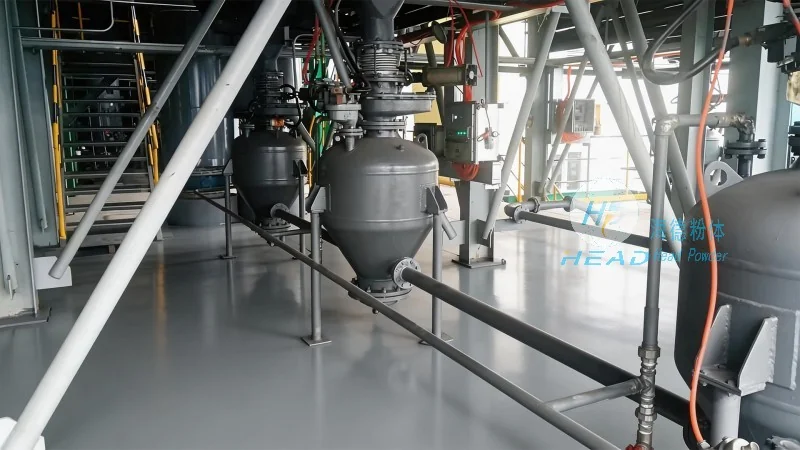
Operational safety is also a notable feature of rice flour pneumatic conveyors. By eliminating the need for mechanical components like belts or chains that may pose entanglement or mechanical failure risks, the system reduces workplace hazards. The sealed design also helps contain dust and prevent it from spreading into the workplace, improving air quality and reducing the risk of respiratory issues for operators. This makes the equipment not only efficient but also safe and compliant with occupational health and safety regulations.
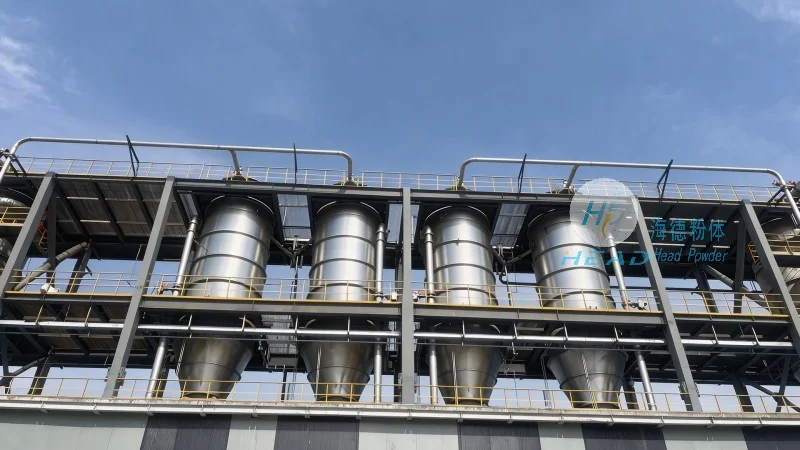
Conclusion and Company Background
Efficient handling of rice flour is essential for maintaining product quality and operational efficiency in food processing. Pneumatic conveying systems, particularly those designed for rice flour material, offer a reliable and effective solution. The working principle, which relies on air pressure to transport the fine powder through a sealed system, ensures minimal degradation and contamination. Key features such as hygienic operation, flexibility, and safety make these conveyors a preferred choice for food manufacturers.
Shandong HeadPowder Engineering Co., Ltd., a leading manufacturer in the field, specializes in designing and manufacturing high-quality pneumatic conveying equipment tailored to the needs of the food industry. With a focus on innovation and adherence to industry standards, HeadPowder provides solutions that enhance productivity and ensure product integrity. Based in Shandong, China, the company leverages its expertise to deliver equipment that meets the demanding requirements of modern food processing facilities.




