Trilithium material, a key component in modern lithium-ion batteries, demands efficient and reliable material handling solutions to ensure smooth production processes. Pneumatic conveying systems provide a sophisticated approach to transporting such materials, especially in industrial environments. This article explores the fundamental principles of trilithium material pneumatic conveying and highlights the key characteristics of its working scenes, offering insights into how these systems enhance operational efficiency and safety.
Understanding Pneumatic Conveying Principles
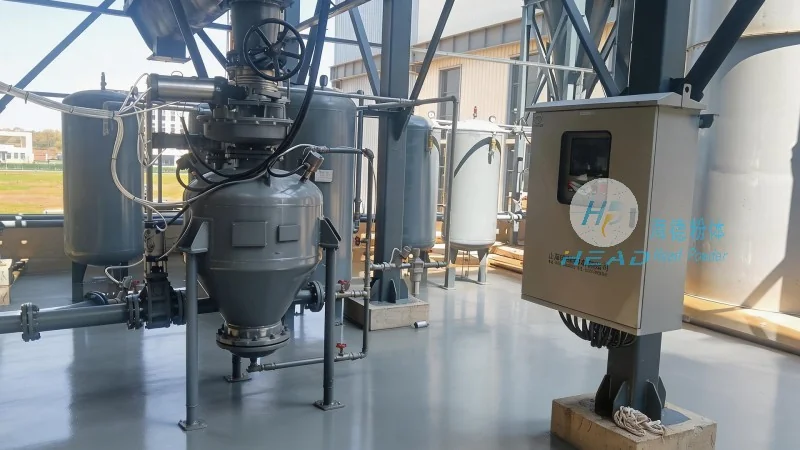
Pneumatic conveying involves transporting bulk materials using a gas stream, typically air, to move particles through a pipeline. The core principle centers on creating a pressure differential or utilizing vacuum to draw or push material from a source to a destination. For trilithium materials, which often exhibit fine particle size, potential dust generation, and sensitivity to moisture or contamination, specialized pneumatic conveying systems are essential. These systems are categorized into two main types: aspiration (or vacuum) conveying and pressure conveying. Aspiration systems use a vacuum to draw material from a hopper or storage bin into the pipeline, while pressure systems utilize compressed air to push material forward. The choice between these depends on factors like material characteristics, distance, and system layout. For trilithium materials prone to agglomeration or requiring gentle handling, aspiration systems are often preferred due to their ability to handle fine powders with minimal degradation. The conveying process includes components such as a material feed hopper, a conveying line (typically made of stainless steel or other corrosion-resistant materials to prevent contamination), a venturi or air-draft device to accelerate the material-air mixture, and a receiver or discharge unit where the material is deposited. Air flow rate and pressure are carefully controlled to maintain stable flow, preventing blockages or excessive pressure drops that could damage the material or system.
Key Working Scene Characteristics
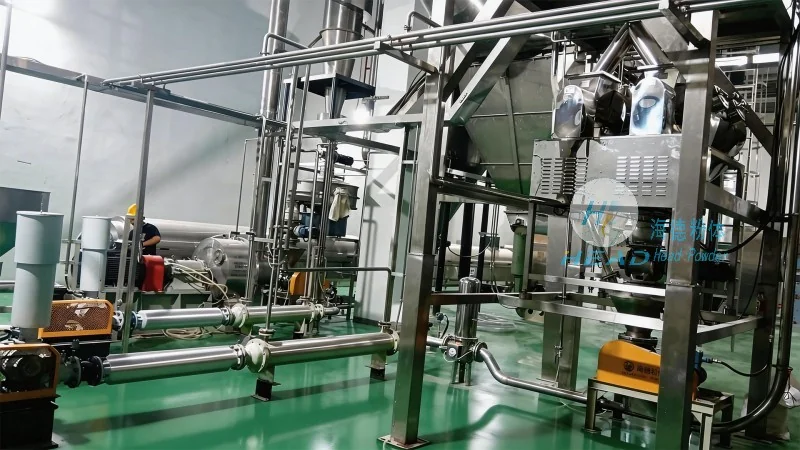
The working scenes of trilithium material pneumatic conveying systems are defined by specific operational and environmental factors influencing system design and performance. A primary characteristic is the need for hygienic and contamination-free handling. Trilithium materials are used in high-purity applications like battery manufacturing, where even trace contaminants can affect product quality. Thus, conveying systems must be constructed from materials like stainless steel, with smooth internal surfaces to minimize particle adhesion and easy cleaning. The system design also emphasizes energy efficiency, as pneumatic conveying can be more energy-intensive than other methods. Optimizing air flow rates, using efficient venturi designs, and implementing air recirculation help reduce energy consumption. Another critical characteristic is flexibility in material handling. Trilithium materials may vary in particle size, density, and flowability, requiring systems that adapt to these changes. Modern pneumatic conveying systems often incorporate adjustable controls, such as variable frequency drives (VFDs) for air compressors, and flexible piping to accommodate different material types and processing needs. The working environment also includes considerations for space constraints and integration. In battery production facilities with limited space, compact pneumatic conveying systems are preferred. These systems can be installed in vertical or horizontal configurations, with hoppers and receivers placed strategically to minimize material transport distances. Additionally, the systems must be designed for high reliability and low maintenance. Trilithium material handling is continuous, and downtime impacts production significantly. Components like air filters, check valves, and material separators are built for durability and easy maintenance, reducing system failure risks.
Application Scenarios in Industrial Settings
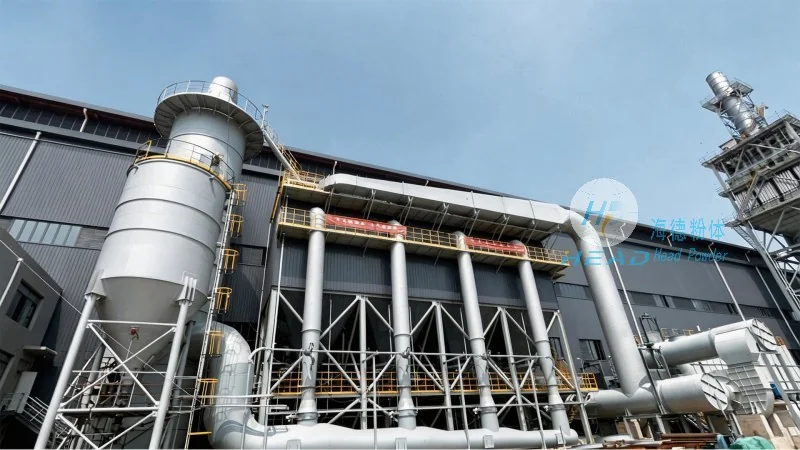
Trilithium material pneumatic conveying systems are widely used in industrial applications, particularly in battery manufacturing. One common scenario is transporting raw trilithium materials from storage to processing units. Here, the system starts with a bulk storage silo or hopper, where material is stored under controlled conditions to prevent moisture absorption. The aspiration system draws material from the hopper, transports it through a pipeline to a mixing or grinding unit for further processing into the desired particle size for battery production. The system must handle fine powders without clogging, achieved through careful design of pipeline diameter and air flow rate. Another application involves conveying processed trilithium materials to packaging or blending stations. After processing, the material may be moved to a blending unit where it is combined with other battery components like cathode active materials or binders. The pneumatic conveying system ensures controlled transport, maintaining material purity and preventing environmental contamination. In some cases, the system is used for returning waste or recycled materials back to the processing line, creating a closed-loop system to reduce material loss and improve efficiency. These applications require high throughput, as battery production lines operate at high speeds. The pneumatic conveying system must handle large volumes quickly and reliably without compromising quality. Furthermore, systems are often integrated with other equipment like conveyor belts or automated handling systems to create a seamless material flow from raw intake to final product packaging, enhancing overall operational efficiency and reducing manual handling.
Conclusion
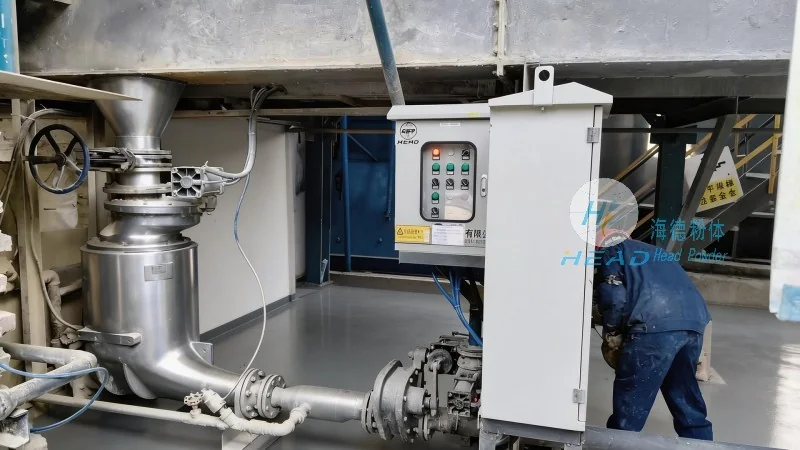
Pneumatic conveying systems are vital for efficient trilithium material handling, offering reliable and flexible solutions for industrial applications. By understanding pneumatic conveying principles and working scene characteristics, manufacturers can design and implement systems that optimize material transport, enhance product quality, and improve operational efficiency. Specialized components like stainless steel construction and adjustable controls ensure trilithium materials are handled with the care needed to meet battery manufacturing's stringent requirements. As lithium-ion battery demand grows, the importance of efficient material handling systems increases, making pneumatic conveying a critical technology. Companies like Shandong HeadPowder Engineering Co., Ltd., with expertise in engineering and manufacturing such systems, play a key role in supporting the battery industry by providing tailored solutions that meet trilithium material handling needs.




