Shandong HeadPowder Engineering Co., Ltd., commonly known as headpowder, is a professional enterprise dedicated to the research, development, and application of pneumatic conveying technologies for various industrial materials. With its headquarters located in Shandong, China, the company has established itself as a key player in providing efficient and reliable solutions for material handling in chemical and industrial sectors. The company's expertise lies in optimizing the pneumatic conveying process for specific materials, ensuring high performance and minimal operational issues.
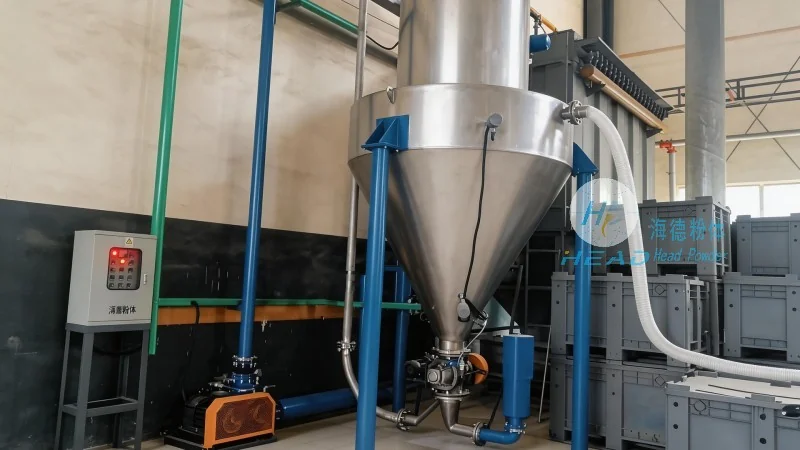
The Principle of Pneumatic Conveying for Sodium Fluorosilicate Materials
Pneumatic conveying, also known as air conveying, is a method of transporting bulk materials through a pipeline using a gas stream, typically air. For sodium fluorosilicate, a chemical compound widely used in industries such as glass manufacturing, water treatment, and ceramics, this technology offers a non-contact, low-cost, and efficient means of material transport. The core principle involves creating a pressure differential within the conveying system, where air is introduced to move the solid particles. The process can be categorized into two main types: dilute phase and dense phase, each tailored to different material characteristics and application requirements. In dilute phase conveying, the material is suspended in the air stream, allowing for high-velocity transport over longer distances. Dense phase conveying, on the other hand, involves a slower, more controlled flow, which is beneficial for handling materials that are prone to degradation or clogging. The effectiveness of the pneumatic conveying system for sodium fluorosilicate depends on several factors, including the particle size distribution, moisture content, and the specific properties of the material itself. By carefully selecting the appropriate conveying parameters—such as air velocity, pressure, and pipeline design—headpowder ensures optimal performance and minimal wear on equipment.
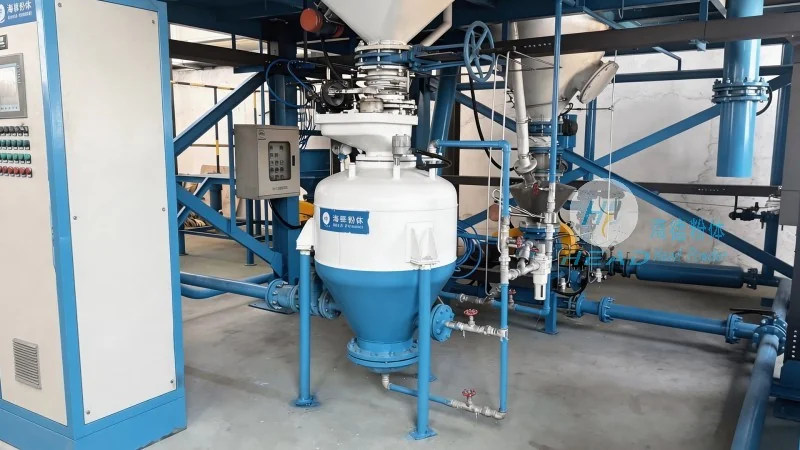
Working Scene Characteristics of Pneumatic Conveying for Sodium Fluorosilicate
The working scene characteristics of pneumatic conveying for sodium fluorosilicate materials are influenced by both the material's physical properties and the operational environment. One key characteristic is the need for a controlled environment to prevent moisture absorption or degradation, as sodium fluorosilicate can react with moisture under certain conditions. The conveying system must be designed to maintain low humidity levels and avoid exposure to air that could cause the material to clump or degrade. Additionally, the system must be equipped with appropriate filtration and cleaning mechanisms to prevent clogging and ensure consistent material flow. The working scene also includes considerations for the scale of operation, with headpowder offering solutions ranging from small-scale laboratory applications to large industrial plants. The flexibility of pneumatic conveying allows for integration into existing production lines, minimizing downtime and enhancing overall operational efficiency. Another important characteristic is the ability to handle varying material loads, with the system capable of adjusting air flow and pressure to accommodate changes in production rates. This adaptability makes pneumatic conveying an ideal solution for industries where material demand fluctuates, such as during seasonal production cycles. Furthermore, the system's non-contact nature reduces the risk of contamination, which is critical for materials used in food, pharmaceutical, or high-purity applications. Headpowder's expertise in customizing conveying systems ensures that each installation is tailored to the specific needs of the client, whether it involves handling bulk quantities or precise dosing requirements.
Application Scenarios in Industrial Settings
In industrial settings, the application of pneumatic conveying for sodium fluorosilicate is widespread across various sectors. In the glass manufacturing industry, sodium fluorosilicate is used as a flux to lower the melting point of silica, and pneumatic conveying ensures a consistent supply of the material to the furnace. The system's ability to handle fine particles and maintain a stable flow is crucial for achieving uniform glass quality. In water treatment plants, sodium fluorosilicate is employed as a coagulant to remove impurities from water, and the conveying system must be designed to prevent clogging and ensure precise dosing. The non-contact nature of the process minimizes the risk of contamination, which is essential for maintaining water quality standards. In the ceramics industry, the material is used as a raw ingredient in the production of ceramic products, and the conveying system must be able to handle high volumes of material while maintaining low energy consumption. The working scene in these applications often involves long-distance transport, with headpowder's systems capable of conveying materials over several hundred meters without significant loss of performance. Additionally, the system's ability to integrate with automated control systems allows for real-time monitoring and adjustment of conveying parameters, enhancing operational efficiency. The working scene characteristics also include the need for regular maintenance and cleaning to prevent material buildup in the pipelines. Headpowder provides comprehensive support, including maintenance services and spare parts, to ensure the longevity and reliability of the conveying systems. This support is particularly important in industrial settings where downtime can result in significant financial losses.
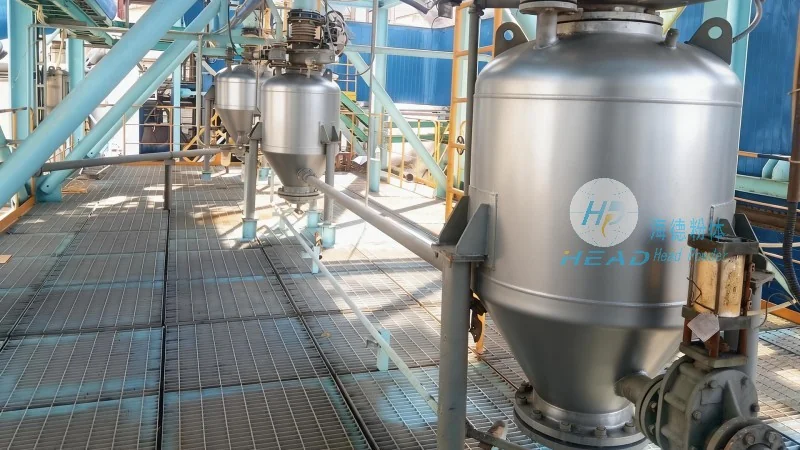
Conclusion and Company Commitment
Shandong HeadPowder Engineering Co., Ltd. specializes in providing advanced pneumatic conveying solutions for sodium fluorosilicate materials, leveraging its expertise in material handling and industrial engineering. The company's commitment to innovation and customer satisfaction ensures that each project is tailored to meet the specific needs of the client. By combining the principles of efficient material transport with the latest technological advancements, headpowder delivers systems that are not only reliable but also cost-effective. The working scene characteristics of pneumatic conveying for sodium fluorosilicate, including controlled environments, non-contact handling, and flexible operation, make it an ideal choice for industries requiring high-purity and consistent material supply. With its headquarters in Shandong, China, headpowder continues to serve clients globally, providing customized solutions that enhance operational efficiency and reduce costs. The company's focus on quality and customer support ensures that clients receive not only a product but a partnership that supports their long-term success in the industry.




