HeadPowder, a leading engineering company based in Shandong, China, specializes in the design and manufacturing of advanced powder handling systems. This article delves into the principle and working scene characteristics of a fully automatic powder feeding pneumatic conveying line, highlighting its efficiency, reliability, and application versatility.
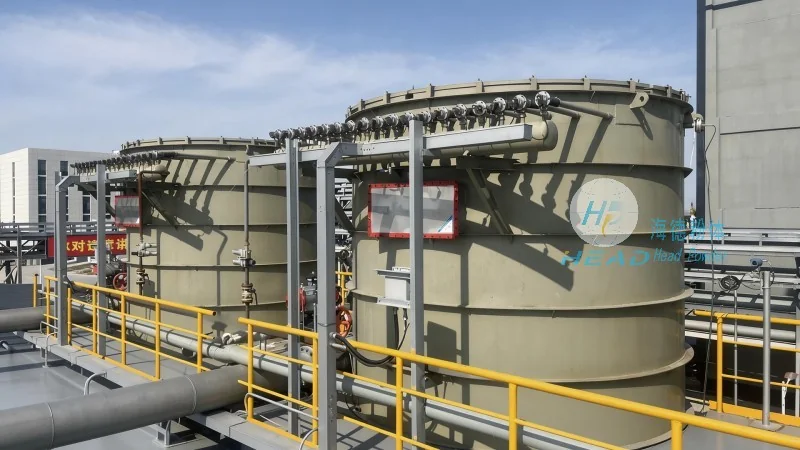
Introduction to Fully Automatic Powder Feeding Pneumatic Conveying Lines
A fully automatic powder feeding pneumatic conveying line is a sophisticated system engineered to transport bulk powders from storage silos or hoppers to processing units with minimal human intervention. The system integrates advanced automation technologies, precise control mechanisms, and robust material handling components to ensure consistent and efficient powder transfer. HeadPowder's expertise in this field has enabled the development of systems tailored to meet the specific needs of various industries, including pharmaceuticals, food processing, chemical manufacturing, and more.
The Core Principle of Pneumatic Conveying
The fundamental principle of pneumatic conveying involves the use of compressed air or gas to move powders through a pipeline. In a fully automatic system, this process is enhanced with automated feeding mechanisms, pressure regulation, and material flow control. The system typically comprises a hopper or silo, a feeder (such as a rotary valve or screw feeder), a conveying line, and a receiver or processing unit. The compressed air is introduced at one end of the pipeline, creating a pressure differential that propels the powder particles forward. The speed and pressure of the air are precisely controlled to ensure optimal flow rates and prevent material degradation or blockages.
Key Components and Their Functions
Several critical components work in tandem to ensure the smooth operation of a fully automatic powder feeding pneumatic conveying line. These include:
1. Feeding Unit: This component, often a rotary valve or a screw feeder, regulates the flow of powder from the storage container into the conveying line. The automatic feeding mechanism ensures a consistent and controlled discharge rate, preventing overloading or underfeeding that could disrupt the conveying process.
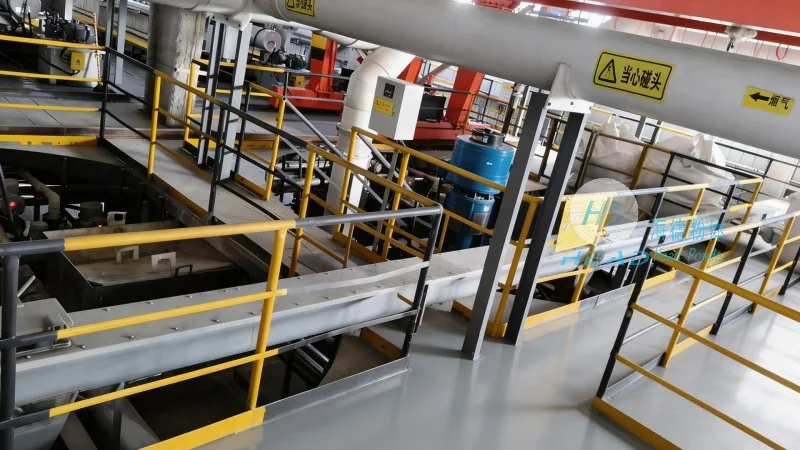
2. Compressor and Air Treatment System: The compressor generates the necessary pressure for conveying, while the air treatment system (including filters and dryers) ensures that the air used is clean and free from contaminants that could affect the quality of the powder or damage the system components.
3. Pipeline and Conveying Line: The pipeline is designed to withstand the pressure and temperature conditions of the conveying process. It may include bends, expansions, and other features to accommodate changes in direction or elevation, ensuring the powder moves efficiently without excessive pressure loss.
4. Control System: An automated control system monitors and regulates the entire process. Sensors and feedback mechanisms detect the level of powder in the hopper, the pressure in the pipeline, and the flow rate, adjusting the feeder speed and air pressure as needed to maintain optimal operation. This system enhances the reliability and efficiency of the line, reducing downtime and operational costs.
Working Scene Characteristics and Applications
The working scene characteristics of a fully automatic powder feeding pneumatic conveying line are tailored to meet the demands of diverse industrial environments. These systems are designed to operate in both indoor and outdoor settings, with considerations for dust control, noise reduction, and environmental compliance. The versatility of the system allows it to be integrated into existing production lines or used as a standalone solution for powder transfer.
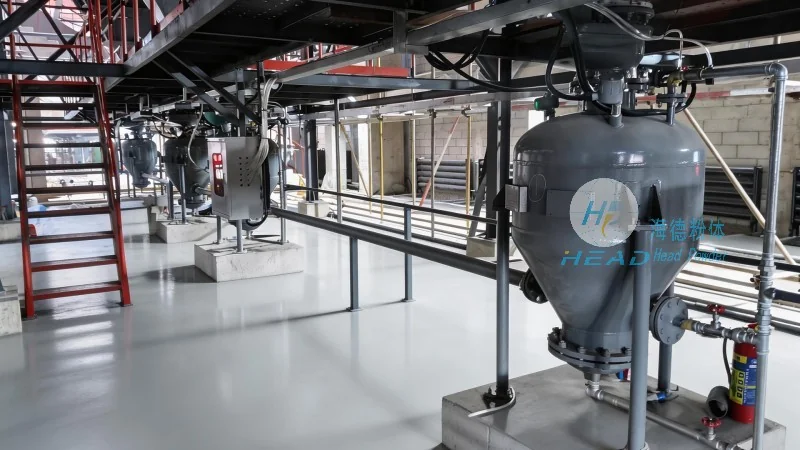
In the pharmaceutical industry, for example, the system's ability to maintain a sterile and controlled environment is crucial. The fully automatic operation minimizes human contact with the powder, reducing the risk of contamination and ensuring product quality. Similarly, in the food processing sector, the system's hygienic design and ability to handle sensitive powders are essential for meeting regulatory standards.
In chemical manufacturing, the system's robust construction and ability to handle abrasive or corrosive powders make it a reliable choice. The automated control system also helps in maintaining consistent product quality by ensuring precise dosing and flow rates. The working scene characteristics, such as the system's ability to handle varying powder properties (e.g., density, moisture content, particle size) and the flexibility to adapt to different production scales, make it suitable for a wide range of applications.
Advantages of Fully Automatic Powder Feeding Pneumatic Conveying Lines
Implementing a fully automatic powder feeding pneumatic conveying line offers several advantages over traditional manual or semi-automatic systems. These include:
1. Increased Efficiency and Productivity: The automated feeding and control mechanisms reduce the time required for powder transfer, allowing for higher production throughput. The consistent flow rates and reduced downtime improve overall operational efficiency.
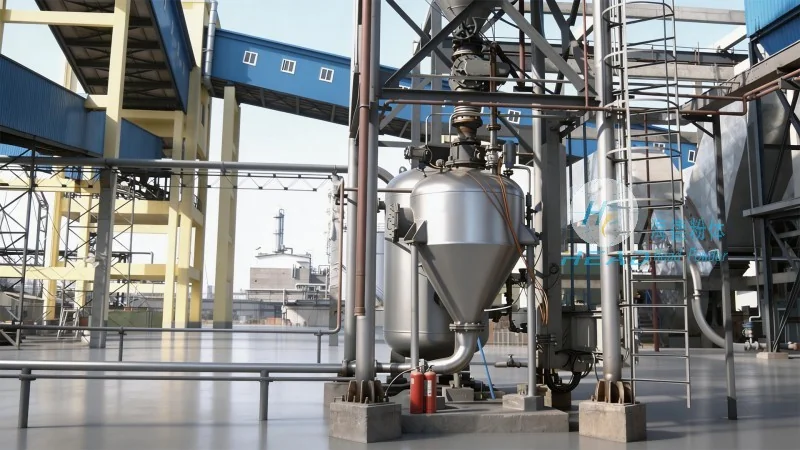
2. Enhanced Safety and Reliability: By minimizing human intervention, the system reduces the risk of accidents and errors. The automated control system also ensures that the process operates within safe parameters, preventing overpressure or material blockages.
3. Improved Product Quality: The precise control of powder flow and handling minimizes material degradation, contamination, and segregation. This leads to consistent product quality and reduces waste.
4. Cost Savings: The reduced labor requirements and lower maintenance costs associated with automated systems result in long-term cost savings for the end-user.
Conclusion
HeadPowder's fully automatic powder feeding pneumatic conveying lines represent a cutting-edge solution for efficient and reliable powder handling in various industrial applications. By leveraging advanced automation and robust engineering, these systems offer significant advantages in terms of efficiency, safety, and product quality. As a company based in Shandong, China, HeadPowder continues to innovate and provide tailored solutions to meet the evolving needs of its clients, ensuring that their powder handling processes are optimized for maximum performance and reliability.




