For industries dealing with tungsten carbide powders, efficient and reliable material handling is crucial. Pneumatic conveying systems offer a viable solution to transport these abrasive and valuable materials safely and effectively. This article explores several effective methods for the pneumatic conveying of tungsten carbide, highlighting key considerations and practical applications.
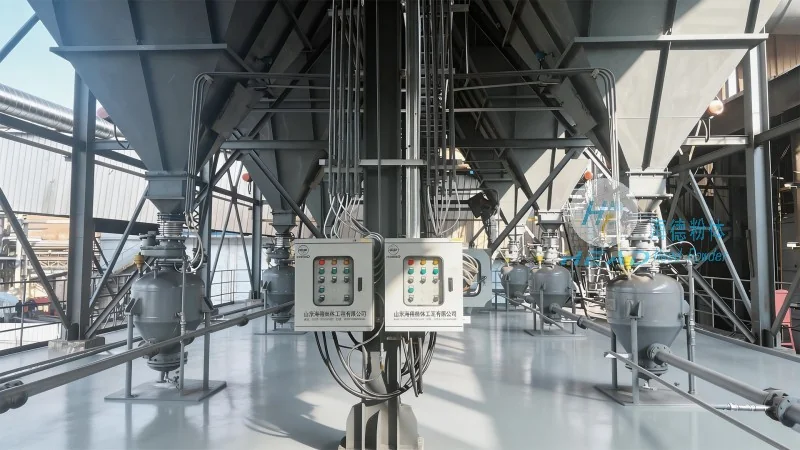
Overview of Pneumatic Conveying Systems
Pneumatic conveying involves transporting bulk materials through a pipeline using air or gas as the conveying medium. In the case of tungsten carbide, which is known for its high hardness and wear resistance, selecting the right conveying method is essential to prevent equipment damage and ensure consistent material flow. The primary goal is to maintain material integrity while minimizing wear on the system components.
Option 1: Dilute Phase Pneumatic Conveying
Dilute phase pneumatic conveying is a common method for transporting tungsten carbide powders over short to medium distances. This technique uses high-velocity air to suspend the material particles in the air stream, allowing them to travel through the pipeline. The system typically consists of a feed hopper, a rotary airlock valve, a venturi or pressure drop device, and a receiver. The key advantage of this method is its ability to handle large volumes of material with relatively low pressure requirements. However, it may not be suitable for long-distance transport due to the potential for particle segregation and increased wear on the pipeline.
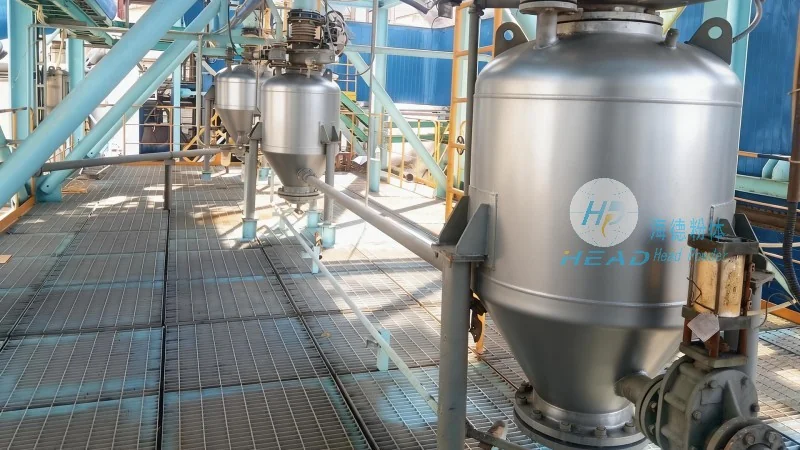
Option 2: Dense Phase Pneumatic Conveying
Dense phase pneumatic conveying, also known as low velocity conveying, is an alternative for transporting tungsten carbide over longer distances or when handling more sensitive materials. This method operates at lower air velocities, which results in a higher material concentration in the air stream. The material is typically conveyed in a slug or plug flow, reducing the risk of particle degradation and equipment wear. The system often includes a positive displacement blower or compressor, a feed hopper with a rotary valve, and a receiver with a dust collector. Dense phase conveying is particularly effective for abrasive materials like tungsten carbide, as it minimizes the impact on the pipeline and reduces the need for frequent maintenance.
Option 3: Hybrid Pneumatic Conveying Systems
Hybrid pneumatic conveying systems combine elements of both dilute and dense phase methods to optimize material transport. These systems may use a combination of high and low air velocities, or employ multiple stages of conveying to handle complex material handling requirements. For example, a system might use a dilute phase section for initial transport and then transition to a dense phase section for the final delivery. This approach allows for flexibility in handling varying material volumes and distances, making it suitable for diverse industrial applications. The hybrid system typically includes a combination of venturi and positive displacement components, along with advanced control systems to regulate air flow and material feed rates.
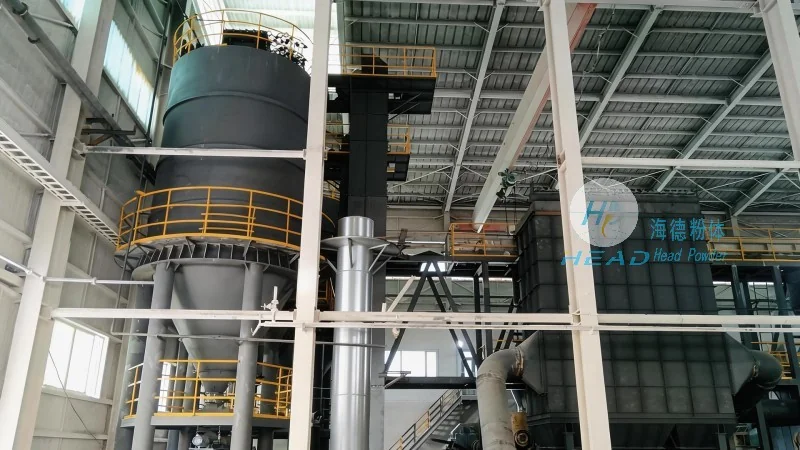
Key Factors to Consider When Choosing a Conveying Method
When selecting a pneumatic conveying system for tungsten carbide, several factors must be evaluated to ensure optimal performance. The first consideration is the distance and layout of the conveying route. Shorter distances may be suitable for dilute phase systems, while longer distances or complex layouts may require dense phase or hybrid systems. The material characteristics, such as particle size, density, and abrasiveness, also play a critical role. Tungsten carbide particles are typically fine and abrasive, which means the system must be designed to withstand high wear and maintain material integrity. Additionally, the required flow rate and throughput must be matched with the system's capacity to avoid bottlenecks or overloading. Environmental factors, such as dust control and air quality, are also important, especially in applications where air emissions need to be minimized. The cost of equipment, maintenance, and energy consumption should be considered as well, as these factors can impact the overall efficiency and sustainability of the operation.
System Components and Design Considerations
The effectiveness of a tungsten carbide pneumatic conveying system depends on the proper selection and integration of key components. The feed hopper is a critical component, as it must be designed to handle the material's flow characteristics and prevent bridging or caking. A rotary airlock valve is often used to control the material feed rate and prevent backflow. The venturi or pressure drop device is responsible for creating the necessary pressure differential to move the material through the pipeline. For dense phase systems, a positive displacement blower or compressor provides the required pressure. The pipeline itself must be constructed from durable materials, such as stainless steel or high-grade alloys, to withstand the abrasive nature of tungsten carbide. The receiver or silo is used to collect the conveyed material and may include a dust collection system to ensure air quality. Advanced control systems, including sensors and automation, can help monitor and regulate the system's performance, ensuring consistent material flow and minimizing downtime.
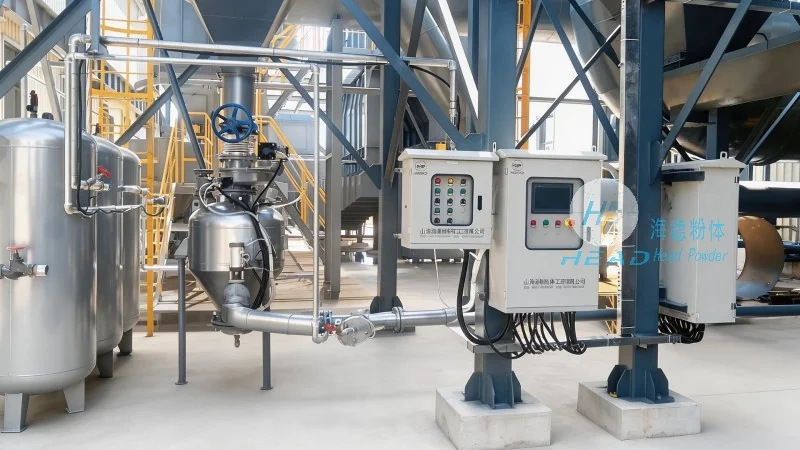
Case Study: Successful Implementation of Pneumatic Conveying for Tungsten Carbide
Shandong HeadPowder Engineering Co., Ltd., a leading provider of material handling solutions, has successfully implemented pneumatic conveying systems for tungsten carbide in various industrial applications. One notable project involved the transport of fine tungsten carbide powders from a production line to a storage silo over a distance of 200 meters. The system was designed as a dense phase pneumatic conveying system, utilizing a positive displacement blower and a stainless steel pipeline. The implementation resulted in a significant reduction in material handling time and improved material quality, as the system minimized particle degradation and wear on equipment. The project also demonstrated the effectiveness of hybrid systems in handling varying material volumes and distances, with the ability to adjust air flow rates to match production demands. This case study highlights the importance of selecting the right conveying method and components based on specific application requirements.
Conclusion and Recommendations
Pneumatic conveying offers several effective solutions for the transport of tungsten carbide powders, with each method having its own advantages and limitations. Dilute phase systems are suitable for short distances and high volumes, while dense phase systems are ideal for longer distances and more sensitive materials. Hybrid systems provide flexibility for complex applications. When choosing a system, it is essential to consider the material characteristics, distance, and operational requirements. Proper component selection, such as durable pipelines and advanced control systems, is crucial for maintaining system efficiency and longevity. For industries dealing with tungsten carbide, partnering with a specialized engineering company like Shandong HeadPowder Engineering Co., Ltd. can ensure the design and implementation of an optimal pneumatic conveying system that meets their specific needs. By carefully evaluating the options and selecting the right system, businesses can enhance material handling efficiency, reduce costs, and improve overall operational performance.




