For industrial applications involving the transport of white ash, selecting an efficient and reliable pneumatic conveying system is crucial. The design of such systems requires careful consideration of several key factors to ensure optimal performance, safety, and cost-effectiveness. This article outlines the essential design considerations for white ash pneumatic conveying systems, providing insights into how to develop effective solutions tailored to specific operational needs.
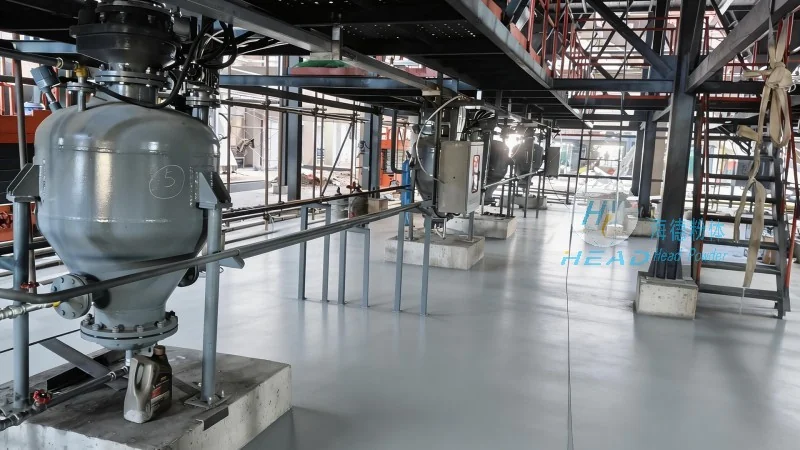
Key Design Factors for Pneumatic Conveying Systems
When designing a pneumatic conveying system for white ash, several critical factors must be evaluated. The first consideration is the material's physical properties, including particle size, density, and moisture content. White ash typically consists of fine particles, which can affect the system's air flow and pressure requirements. Proper assessment of these properties helps in selecting the appropriate conveying method—such as dilute-phase or dense-phase transport—and determining the necessary air velocity and pressure levels to prevent blockages and ensure smooth material movement.
System Configuration and Components
The configuration of a pneumatic conveying system for white ash involves selecting the right components to handle the material's characteristics. HeadPowder, a leading engineering company based in Shandong, China, specializes in designing customized solutions. The system typically includes a hopper for material storage, a feeder to control the flow rate, a conveying line (often equipped with bends and elbows), and a receiver for the discharged material. The choice of materials for these components is vital; for example, stainless steel or corrosion-resistant alloys may be used to prevent ash buildup and ensure durability, especially in environments with high humidity or abrasive particles.
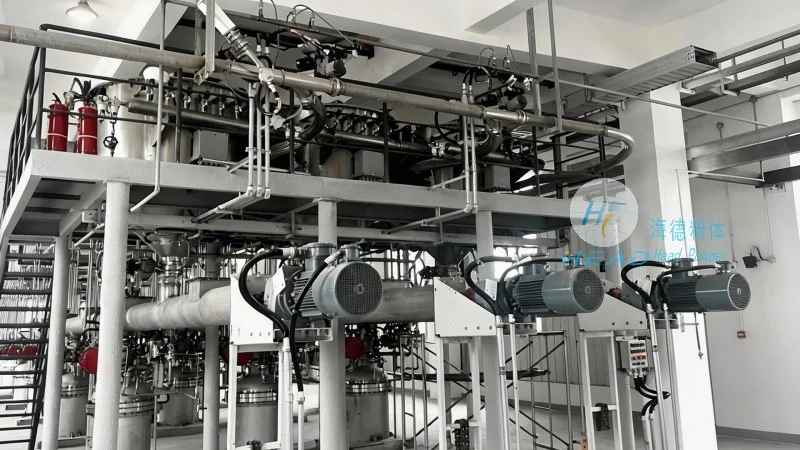
Pressure and Air Flow Management
Effective pressure and air flow management is essential for the successful operation of a white ash pneumatic conveying system. The system's design must account for the required air pressure, which can vary depending on the conveying distance and the material's resistance to flow. Dilute-phase systems, which use lower air velocities and pressures, are suitable for shorter distances and less abrasive materials, while dense-phase systems employ higher pressures and lower air velocities to handle longer distances or more challenging materials. Proper calculation of air flow rates and pressure drops across the system components ensures that the conveying line operates within safe and efficient parameters, minimizing energy consumption and maximizing throughput.
Material Handling and Safety Considerations
Handling white ash requires attention to safety and material integrity. The system design must incorporate features to prevent dust explosions and material degradation. For instance, explosion-proof designs may be implemented for components exposed to fine particles, and filtration systems are essential to capture dust and maintain air quality. Additionally, the system should include monitoring and control mechanisms to detect blockages or pressure fluctuations, allowing for timely intervention to prevent system failures. These safety measures not only protect personnel and equipment but also ensure compliance with industrial regulations and standards.
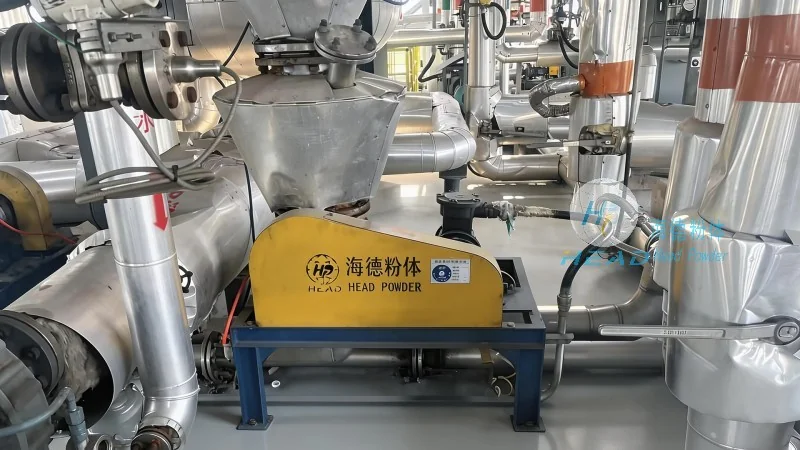
Customization and Scalability
HeadPowder Engineering Co., Ltd. emphasizes the importance of customizing pneumatic conveying systems to meet specific client requirements. Each project is approached with a thorough analysis of the client's operational goals, material characteristics, and site constraints. The company offers scalable solutions that can adapt to varying production volumes and conveying distances, ensuring that the system remains efficient as the business grows. Customization may involve adjusting the conveying line diameter, modifying the feeder type, or integrating additional features such as material drying or conditioning equipment to enhance performance.
Installation and Maintenance
The successful implementation of a white ash pneumatic conveying system also depends on proper installation and regular maintenance. HeadPowder provides comprehensive installation services, ensuring that all components are correctly assembled and aligned to minimize air leakage and pressure losses. Regular maintenance, including cleaning of the conveying line, checking for wear on components, and verifying air pressure and flow rates, is critical to maintaining system efficiency and longevity. By adhering to a scheduled maintenance plan, clients can extend the lifespan of their equipment and reduce downtime, ultimately improving operational productivity.




