For industrial applications involving the handling of polyvinyl alcohol formaldehyde (PVA-F) powders, efficient and reliable material transport is crucial. The pneumatic conveying equipment designed for this specific powder type plays a vital role in ensuring smooth operations across various production lines. This article explores the fundamental principles behind such equipment and highlights the key characteristics of its operational scenarios, providing insights into how these systems enhance material handling processes.
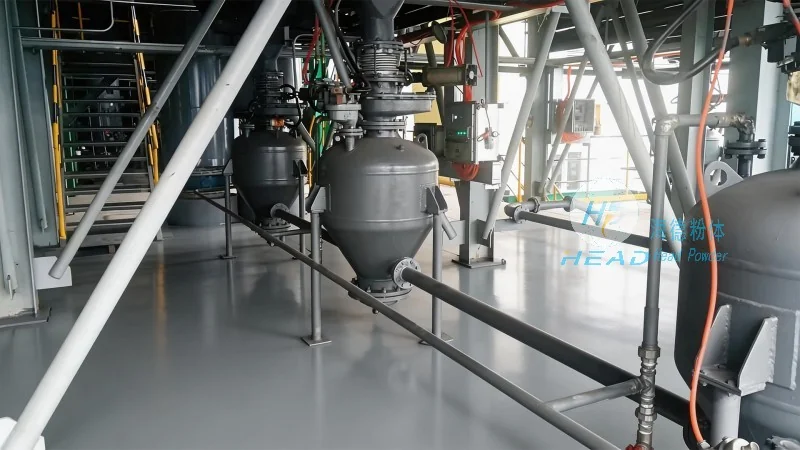
Introduction to PVA-F Powder Pneumatic Conveying Systems
Polyvinyl alcohol formaldehyde (PVA-F) is a widely used synthetic polymer in industries such as textiles, paper, and construction. Its powder form requires specialized handling due to its fine particle size and potential for static charge accumulation. Pneumatic conveying systems offer an effective solution by utilizing air to transport the powder from one location to another, eliminating the need for mechanical components like belts or screws that may cause contamination or material degradation.
About Shandong HeadPowder Engineering Co., Ltd.
As a leading manufacturer in the field of powder processing equipment, Shandong HeadPowder Engineering Co., Ltd. specializes in developing and supplying advanced pneumatic conveying solutions tailored to the needs of diverse industries. With a strong commitment to innovation and quality, the company has established itself as a trusted partner for businesses seeking reliable equipment for handling challenging powders like PVA-F. HeadPowder's expertise lies in designing systems that optimize material flow, minimize downtime, and ensure compliance with industry standards.
The Principle of Pneumatic Conveying for PVA-F Powders
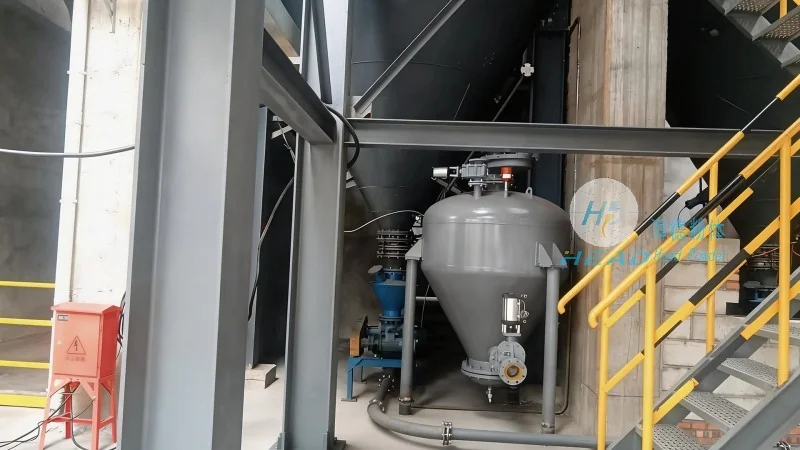
The core principle of pneumatic conveying involves creating a pressure differential between the conveying line and the ambient environment. This is typically achieved through either positive pressure (where air is forced into the system) or negative pressure (where air is drawn out). For PVA-F powders, positive pressure systems are commonly preferred due to their ability to handle abrasive and static-prone materials without causing excessive wear or particle breakage.
In a positive pressure system, a blower or compressor generates high-pressure air that is introduced into the hopper containing the PVA-F powder. The air lifts the powder particles and propels them through the pipeline to the destination point, such as a storage silo or processing unit. The velocity of the air is carefully controlled to ensure that the powder particles remain suspended without settling or causing blockages. This controlled air flow is critical for maintaining consistent material transport rates and preventing system inefficiencies.
Key Working Scene Characteristics of PVA-F Powder Pneumatic Conveying Equipment
The operational characteristics of PVA-F powder pneumatic conveying systems are influenced by several factors, including the material's properties, system design, and application requirements. Understanding these characteristics is essential for selecting the appropriate equipment and optimizing its performance.
1. Material Handling Efficiency and Reliability
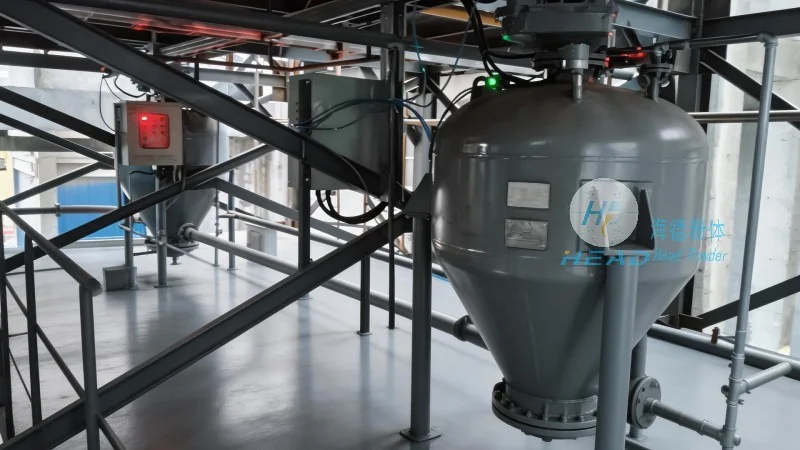
PVA-F powders are known for their fine particle size and tendency to generate static electricity. Pneumatic conveying systems address these challenges by using air to transport the material, which reduces the risk of caking or agglomeration. The equipment is designed to handle varying flow rates, from low to high, ensuring consistent and reliable material delivery. This reliability is particularly important in continuous production processes where interruptions can lead to significant losses.
2. Customization and Scalability
HeadPowder's pneumatic conveying solutions are highly customizable to meet the specific needs of different applications. The systems can be scaled to accommodate varying production capacities, from small-scale laboratory operations to large industrial plants. This scalability allows businesses to invest in equipment that grows with their production demands, ensuring long-term cost-effectiveness.
3. Environmental and Safety Considerations
Pneumatic conveying systems for PVA-F powders are designed with environmental and safety considerations in mind. The equipment is typically enclosed to prevent dust emissions and protect operators from exposure to fine particles. Additionally, the systems incorporate features such as explosion-proof designs and dust collection mechanisms to ensure safe operation in industrial settings. These safety measures are crucial for maintaining compliance with environmental regulations and protecting personnel.
4. Integration with Existing Production Lines
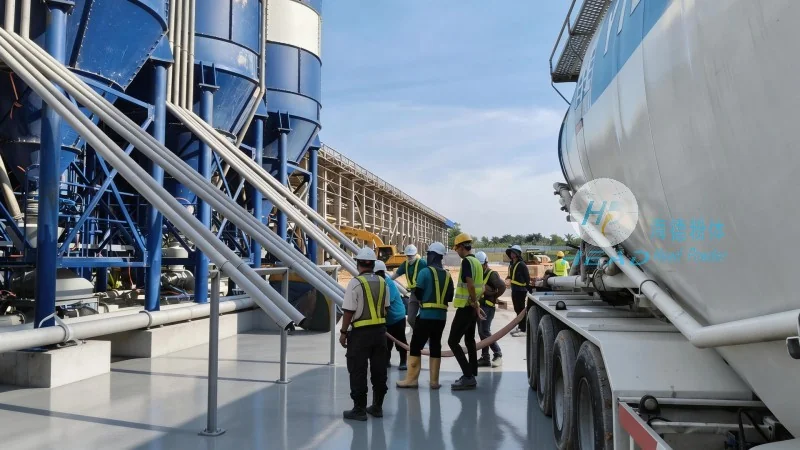
One of the key advantages of pneumatic conveying equipment is its ability to integrate seamlessly with existing production lines. The systems can be retrofitted into existing facilities without major structural modifications, reducing installation time and costs. This flexibility allows businesses to upgrade their material handling processes without disrupting ongoing operations. HeadPowder's expertise in system integration ensures that the equipment is tailored to fit the specific layout and requirements of each client's facility.
Conclusion
Pneumatic conveying equipment for polyvinyl alcohol formaldehyde powders is a critical component in modern industrial operations. By leveraging the principles of air-based transport, these systems offer efficient, reliable, and safe material handling solutions. Shandong HeadPowder Engineering Co., Ltd. provides advanced and customized solutions that address the unique challenges of handling PVA-F powders, ensuring optimal performance and operational efficiency for businesses across various industries. As the demand for high-quality powder processing equipment continues to grow, HeadPowder remains committed to delivering innovative solutions that meet the evolving needs of the market.




