

What is a lithium battery positive and negative electrode material powder pneumatic conveying line?
Lithium battery production involves the handling of various powders, including positive and negative electrode materials. Efficient and safe material transport is crucial for maintaining production efficiency and product quality. A pneumatic conveying line is a specialized system designed to transport these powders through a pipeline network using air pressure or vacuum. This article explores the concept of a lithium battery positive and negative electrode material powder pneumatic conveying line and its underlying design principles.
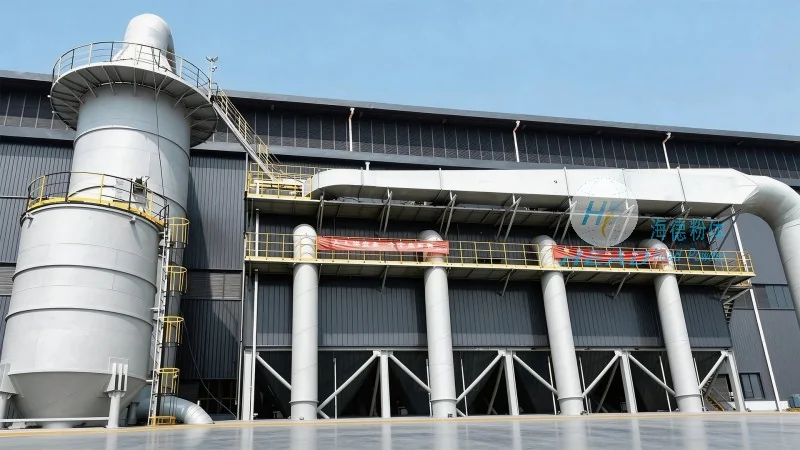
Introduction to Pneumatic Conveying Systems for Lithium Battery Materials
In the context of lithium battery manufacturing, the positive and negative electrode materials are typically fine powders that require precise handling to prevent agglomeration and ensure uniform mixing. Traditional methods like bucket elevators or belt conveyors may not be suitable due to the potential for material degradation or contamination. Pneumatic conveying offers a solution by transporting powders in a closed system, minimizing exposure to external factors and maintaining material integrity. The system typically consists of a feeding hopper, a conveying pipeline, a separation unit, and a dust collection system.
About HeadPowder: Shandong HeadPowder Engineering Co., Ltd.
HeadPowder, or Shandong HeadPowder Engineering Co., Ltd., is a professional manufacturer specializing in engineering solutions for powder handling and conveying systems. With headquarters in Shandong, China, the company has extensive experience in designing and implementing customized pneumatic conveying lines tailored to the specific needs of lithium battery manufacturers. HeadPowder's expertise lies in integrating advanced technology with practical application, ensuring that their systems meet the stringent requirements of modern battery production.
Design Principles of the Pneumatic Conveying Line
The design of a lithium battery positive and negative electrode material powder pneumatic conveying line is based on several key principles to ensure optimal performance and reliability. The first principle is the selection of the appropriate conveying method, which can be either positive pressure or negative pressure. Positive pressure systems use compressed air to push the material through the pipeline, while negative pressure systems use vacuum to draw the material. The choice depends on factors such as material properties, pipeline length, and system complexity.
Another critical design principle is the calculation of air flow rate and pressure. This involves determining the necessary air velocity to prevent material settling in the pipeline and ensure smooth transport. The system must maintain a consistent air flow to avoid pressure fluctuations that could lead to material blockages or system inefficiencies. HeadPowder engineers use advanced computational fluid dynamics (CFD) and material flow analysis to optimize these parameters for each project.
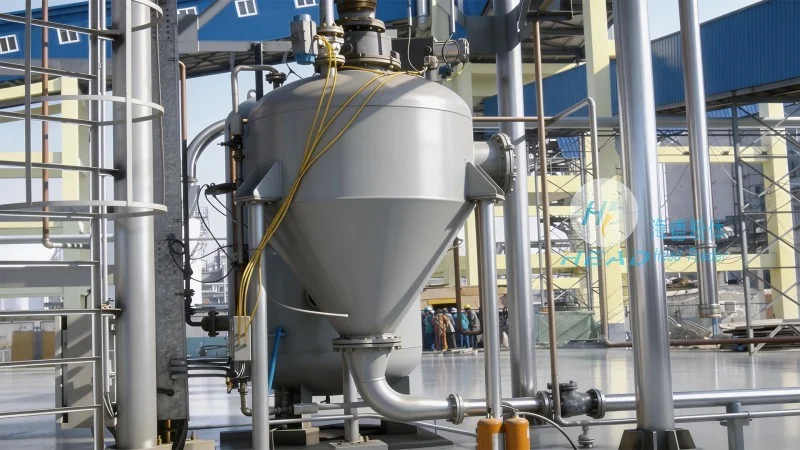
The pipeline layout is also a key design consideration. The system typically includes straight and curved sections, with bends and elbows designed to minimize pressure loss and prevent material deposition. The pipeline diameter and material (e.g., stainless steel or aluminum) are selected based on the powder characteristics and expected flow rates. For lithium battery electrode materials, which are often sensitive to moisture and oxidation, the pipeline is often made of corrosion-resistant materials and equipped with sealing components to maintain airtightness.
Key Components and Their Functions
A pneumatic conveying line for lithium battery materials consists of several essential components, each playing a vital role in the overall system operation. The feeding hopper is responsible for storing and metering the powder before it enters the pipeline. It is equipped with a feeder, such as a rotary valve or a screw feeder, to control the flow rate and prevent material bridging. The conveying pipeline connects the hopper to the separation unit and may include intermediate branches for distributing the material to different processing stages.
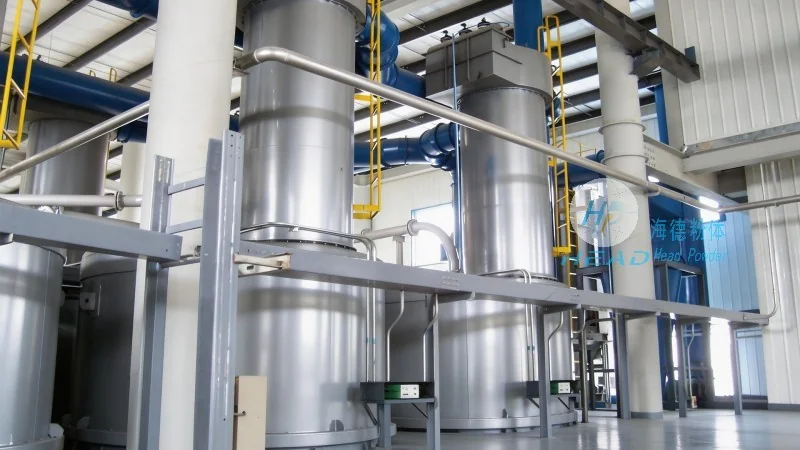
The separation unit, often a cyclone or a bag filter, is used to separate the conveyed powder from the air stream. The separated powder is collected in a product bin, while the air is directed to a dust collection system for filtration and recycling. The design of the separation unit must be efficient to minimize material loss and ensure clean air discharge. For sensitive electrode materials, the separation unit may include additional filtration stages to remove fine particles and prevent contamination.
The dust collection system is crucial for maintaining environmental compliance and worker safety. It typically includes a filter baghouse or a cartridge filter that captures fine dust particles from the exhaust air. The collected dust is often recycled back into the system or disposed of according to local regulations. The system is designed to operate under negative pressure to prevent dust leakage and ensure a safe working environment.
Advantages of Using a Pneumatic Conveying Line
Implementing a pneumatic conveying line for lithium battery positive and negative electrode materials offers several advantages over traditional transport methods. First, it provides a closed system that prevents material contamination from external sources, such as moisture or airborne particles. This is critical for maintaining the purity of electrode materials, which directly impacts battery performance and lifespan. Second, the system is highly efficient, with minimal material loss and reduced downtime due to blockages or maintenance.
Another advantage is the flexibility of the system. Pneumatic conveying lines can be easily reconfigured or expanded to accommodate changes in production volume or material types. The modular design allows for the addition of new branches or components without major system overhauls. This adaptability is particularly valuable in the dynamic lithium battery industry, where product specifications and production scales are frequently adjusted.
The system also contributes to improved safety and operational efficiency. By eliminating manual handling of powders, the risk of dust explosions or respiratory hazards is significantly reduced. The automated feeding and conveying processes minimize human intervention, leading to consistent material flow and reduced labor costs. Additionally, the closed system reduces the need for cleaning and maintenance, as the material is contained within the pipeline and separation units.
Conclusion
A lithium battery positive and negative electrode material powder pneumatic conveying line is a sophisticated engineering solution that addresses the unique challenges of handling fine powders in battery manufacturing. The design principles, including the selection of conveying method, air flow optimization, and pipeline layout, are critical to ensuring the system's efficiency and reliability. Companies like HeadPowder, with their expertise in powder handling technology, play a vital role in providing customized solutions that meet the stringent requirements of modern lithium battery production. By leveraging advanced design and materials, these systems contribute to higher product quality, increased production efficiency, and improved safety in the battery manufacturing process.