

What is a Steel and Lime Powder Pneumatic Conveying System? And What Are Its Design Principles?
In industrial settings, the efficient handling of steel and lime powders is a critical aspect of many production processes. These materials, due to their fine particle size and potential for dust generation, require specialized equipment to ensure safe and effective transport. A steel and lime powder pneumatic conveying system addresses these challenges by utilizing air as the conveying medium, enabling the material to be transported through a pipeline without direct physical contact. This method not only reduces the risk of contamination and material degradation but also minimizes labor costs associated with manual handling. For businesses operating in sectors such as steel manufacturing, chemical processing, and environmental remediation, investing in a reliable pneumatic conveying system is essential for maintaining operational efficiency and product quality.
Core Components and Their Functions
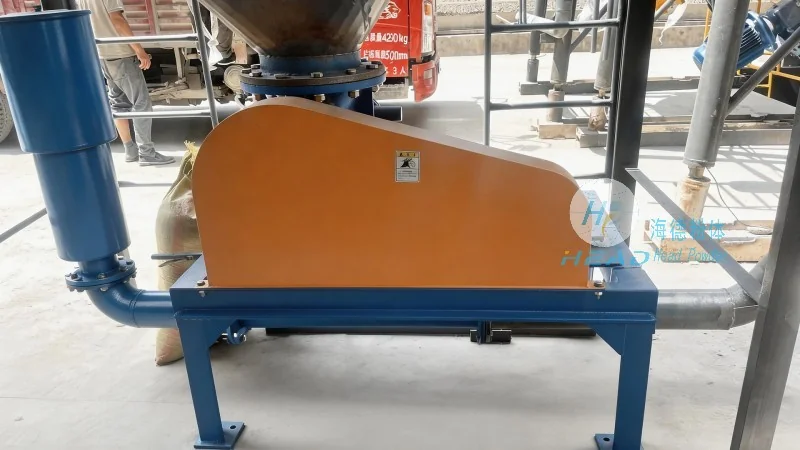
The steel and lime powder pneumatic conveying system, developed by Shandong HeadPowder Engineering Co., Ltd., comprises several integral components that work in concert to facilitate material transport. The primary components include the material hopper, which serves as the storage and feeding unit for the powders; the conveying pipeline, typically made of durable materials like stainless steel or PVC to withstand the abrasive nature of the powders; the air compressor or blower, which generates the necessary air pressure to move the material; and the control system, which regulates the flow rate and pressure to maintain optimal performance. Each component is designed with specific considerations in mind, such as the hopper's design to prevent material bridging and the pipeline's diameter to minimize pressure loss. The air compressor, often equipped with filters and moisture separators, ensures that the conveying air is clean and free from contaminants that could affect the powder quality.
Design Principles for Efficient Material Handling
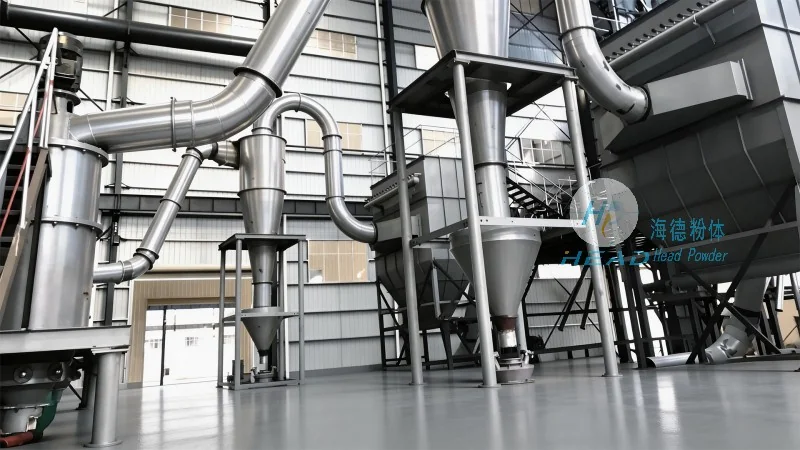
The design of a steel and lime powder pneumatic conveying system is guided by several key principles to ensure maximum efficiency and reliability. One of the fundamental principles is the selection of appropriate air velocity and pressure. The air velocity must be high enough to keep the powder particles in suspension but low enough to prevent excessive wear on the pipeline and equipment. Typically, the velocity is maintained between 20 to 30 meters per second for fine powders like steel and lime. The pressure is also carefully calculated, often ranging from 0.5 to 1.5 bar, depending on the distance and height of the transport. Another critical design principle is the prevention of particle segregation and agglomeration. To achieve this, the system incorporates features such as pulse-jet valves or rotary airlock valves, which help to maintain a uniform flow of material and prevent the separation of particles based on size or density. Additionally, the pipeline layout is designed to minimize bends and changes in direction, as sharp angles can cause blockages and increase pressure drop. The use of flexible connectors and expansion joints also helps to accommodate thermal expansion and reduce stress on the system.
Operational Benefits and Applications
Implementing a steel and lime powder pneumatic conveying system offers a multitude of operational benefits that enhance productivity and safety. Unlike traditional bulk material handling methods, such as belt conveyors or bucket elevators, pneumatic systems eliminate the need for physical contact with the material, reducing the risk of dust exposure and associated health hazards. This is particularly important for handling lime powders, which can be irritants to the respiratory system. The system also reduces material loss, as it minimizes spillage and leakage during transport. Furthermore, the flexibility of pneumatic conveying allows for the integration of multiple transport lines, enabling the distribution of materials to various destinations within a facility. This makes the system ideal for applications in steel production, where lime is used as a flux in the smelting process, and in chemical processing, where it is used as a neutralizing agent. The system's ability to handle both horizontal and vertical transport also makes it suitable for facilities with complex layouts, such as those with multiple production lines and storage areas.
Customization and Maintenance Practices
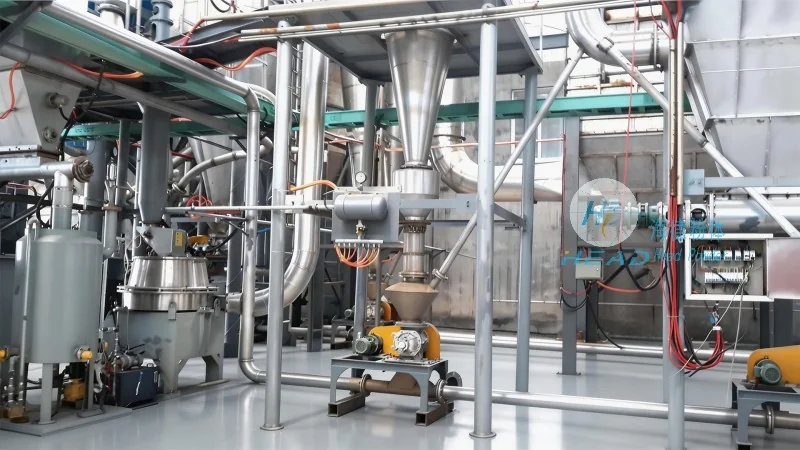
Shandong HeadPowder Engineering Co., Ltd., operating under the brand name headpowder, specializes in providing customized pneumatic conveying solutions tailored to the specific requirements of each client. The company considers factors such as the volume of material to be transported, the distance of the transport, the height of the vertical lift, and the environmental conditions when designing a system. For example, for a facility requiring the transport of steel powders over a long distance, the system may include a larger air compressor and a more robust pipeline to maintain the required pressure. Conversely, for a smaller-scale operation, a compact system with a smaller blower may be sufficient. Regular maintenance is a critical aspect of ensuring the longevity and efficiency of the system. This includes routine checks of the air compressor, cleaning of the filters and moisture separators, inspection of the pipeline for any signs of wear or corrosion, and replacement of worn parts such as seals and bearings. By following a regular maintenance schedule, users can prevent unexpected breakdowns, reduce operational costs, and extend the service life of their pneumatic conveying system. The company also provides technical support and training to clients to ensure proper operation and maintenance of the system.