

What is a Waste Powder Pneumatic Conveyor? And What Are Its Design Principles?
Waste powder pneumatic conveyors are specialized systems designed to transport bulk materials, particularly those classified as waste powders, through a pneumatic (air-driven) mechanism. These systems are widely used in various industrial applications where the efficient and safe handling of fine or granular waste materials is critical. The technology behind these conveyors combines principles of fluid dynamics, material science, and mechanical engineering to create a reliable solution for material transport without the need for mechanical components like belts or buckets.
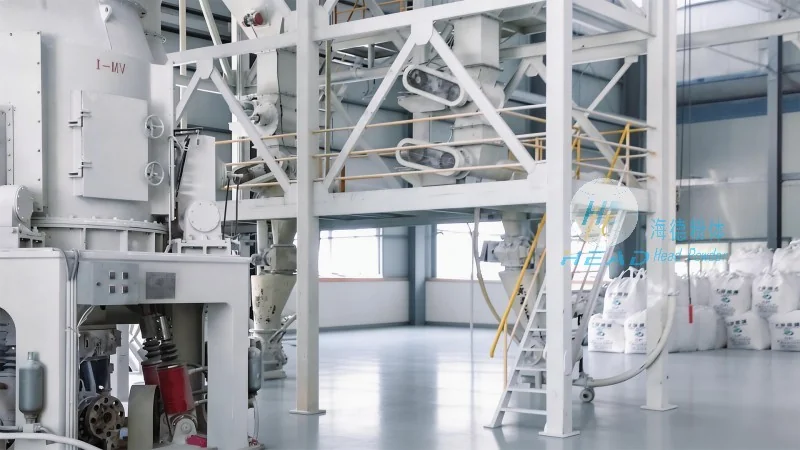
Core Components and Their Functions
The design of a waste powder pneumatic conveyor typically involves several key components, each playing a crucial role in the overall operation. The primary components include the hopper, which serves as the material feeding chamber; the air supply system, which generates the necessary airflow to move the powder; the conveyor line, which consists of the pipe or duct through which the material travels; and the discharge unit, which releases the material at the destination. Additionally, many systems incorporate a filter and dust collection system to manage air quality and prevent dust emissions, ensuring compliance with environmental regulations. The hopper is often equipped with a feeding mechanism, such as a screw or rotary valve, to control the flow of waste powder into the system. The air supply system may use a blower or compressor to generate the required pressure and airflow, with adjustable settings to optimize performance based on the material characteristics and transport distance.
Design Principles for Efficient Material Transport
The design principles of waste powder pneumatic conveyors are centered on achieving efficient, low-maintenance, and cost-effective material handling. One of the fundamental principles is the use of air as the conveying medium, which eliminates the need for mechanical parts that can wear out or require frequent maintenance. This design choice reduces operational costs and increases the system's longevity. Another key principle is the selection of appropriate air velocity and pressure. The air velocity must be high enough to overcome the resistance of the material particles and the pipe walls, but not so high as to cause excessive wear or energy consumption. The pressure is typically adjusted based on the distance the material needs to travel and the particle size and density of the waste powder. For example, longer transport distances or larger particles may require higher air pressure to maintain the material's suspension and prevent settling.
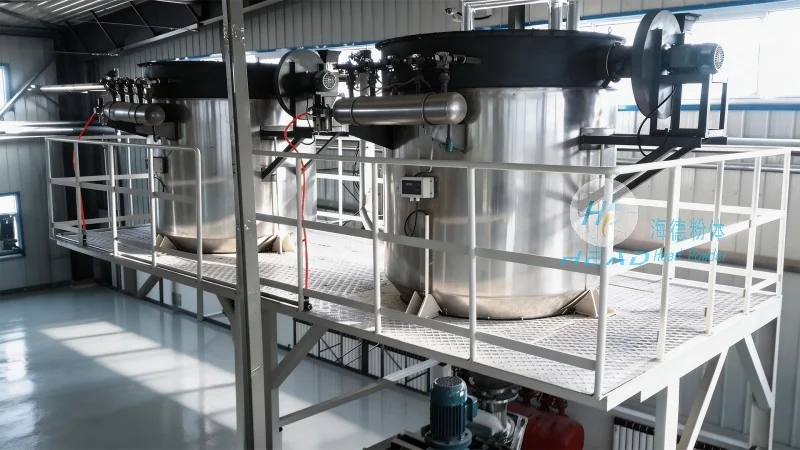
Material Considerations and System Adaptability
Waste powder pneumatic conveyors are designed to handle a wide range of waste materials, including but not limited to, municipal solid waste, industrial byproducts, and agricultural residues. The system's adaptability is a critical design feature, as different waste powders have varying properties such as particle size distribution, moisture content, and abrasiveness. These properties directly impact the system's performance and require careful consideration during the design phase. For instance, materials with high moisture content may require additional drying or moisture control measures to prevent clogging or corrosion of the system components. Similarly, abrasive materials may necessitate the use of wear-resistant materials for the hopper, conveyor line, and discharge unit to extend the system's lifespan. The design also considers the potential for material segregation or agglomeration, which can affect the conveying efficiency. To mitigate these issues, some systems incorporate mixing or agitator components to ensure uniform material flow.
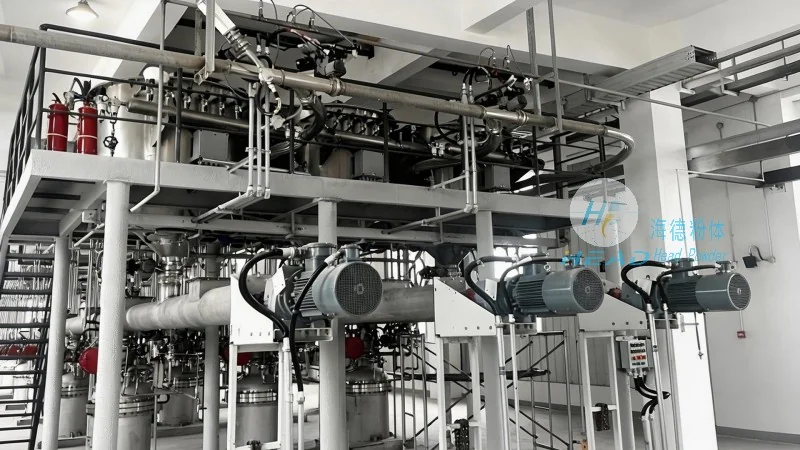
Advantages of Pneumatic Conveying Systems
Compared to traditional mechanical conveying methods, waste powder pneumatic conveyors offer several advantages that make them a preferred choice in many applications. One of the most significant advantages is the ability to transport materials over long distances without the need for intermediate transfer points or elevators. This reduces the overall system complexity and installation costs. Additionally, pneumatic systems are highly flexible, allowing for changes in the material flow direction or destination without major modifications to the infrastructure. The systems also provide better control over the material's temperature and moisture content, which is crucial for sensitive waste materials. Furthermore, the absence of mechanical parts minimizes the risk of material contamination and reduces the need for regular cleaning or maintenance, contributing to improved operational efficiency and lower downtime.
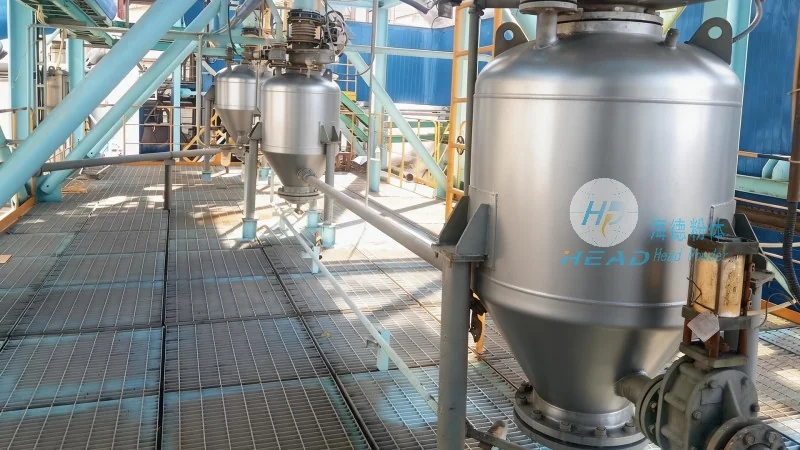
Applications in Waste Management
Waste powder pneumatic conveyors find extensive applications in the waste management industry, particularly in the handling of municipal solid waste (MSW) and industrial waste streams. In MSW processing facilities, these systems are used to transport waste powders from sorting and processing units to storage or disposal sites. The ability to handle large volumes of waste efficiently and safely makes them ideal for urban waste management operations. In industrial settings, they are employed to convey byproducts from manufacturing processes, such as chemical or pharmaceutical waste, to treatment or disposal facilities. The systems are also used in agricultural waste management, where they help transport residues from composting or processing operations to storage or further processing units. The adaptability of these conveyors to different waste types and processing requirements makes them a versatile solution for various waste management scenarios.
Conclusion and Company Overview
Waste powder pneumatic conveyors represent a sophisticated and efficient solution for the transportation of waste materials, combining advanced engineering principles with practical design considerations. The systems are designed to meet the specific needs of different waste management applications, ensuring reliable and cost-effective material handling. As a leading provider in this field, Shandong HeadPowder Engineering Co., Ltd. specializes in the design, manufacturing, and installation of these systems, leveraging years of experience and expertise to deliver high-quality solutions tailored to customer requirements. With a focus on innovation and customer satisfaction, the company continues to advance the technology of pneumatic conveying systems, contributing to more sustainable and efficient waste management practices. Based in Shandong, China, HeadPowder Engineering Co., Ltd. serves clients globally, providing comprehensive support from initial consultation to system maintenance and optimization.