

What is a Mobile Powder Pneumatic Conveying System? What Are Its Design Principles?
Mobile powder pneumatic conveying systems represent a sophisticated solution for the efficient handling and transportation of bulk powders. These systems are designed to provide flexibility and adaptability in industrial settings, particularly where traditional fixed installations may not be feasible or cost-effective. By integrating advanced engineering principles with modular construction, mobile systems offer a versatile approach to managing powder materials with precision and reliability.
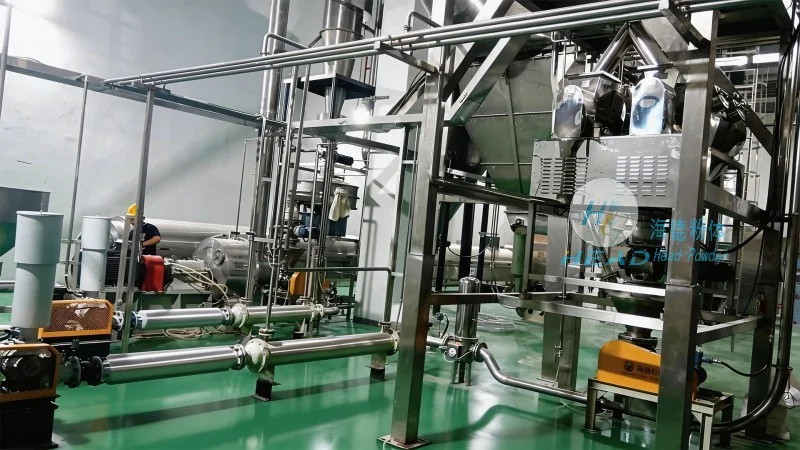
Company Overview: HeadPowder
HeadPowder, formally known as Shandong HeadPowder Engineering Co., Ltd., is a leading manufacturer and supplier of industrial powder handling equipment. With headquarters located in Shandong, China, the company specializes in developing and delivering high-quality pneumatic conveying systems tailored to meet the diverse needs of various industries. HeadPowder's commitment to innovation and customer satisfaction has established it as a trusted partner in the field of bulk material processing.
What is a Mobile Powder Pneumatic Conveying System?
A mobile powder pneumatic conveying system is a portable, self-contained unit designed to transport bulk powders through a pressurized or vacuum air stream. Unlike stationary systems that require fixed infrastructure, mobile systems are equipped with wheels or a trailer base, allowing for easy relocation to different production sites or processing areas. The core components typically include a hopper for material storage, a conveying line (often with elbows and bends), a blower or vacuum pump for air movement, and a control panel for operation. These systems are engineered to handle a wide range of powder characteristics, from fine powders to bulkier granules, ensuring consistent and efficient material transfer.
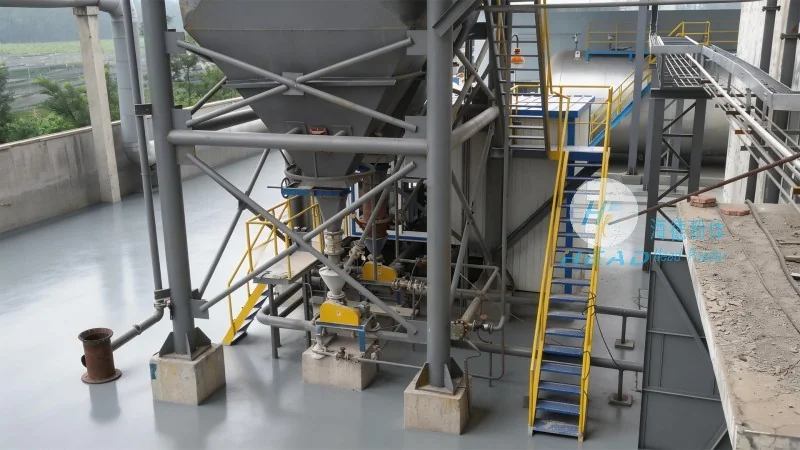
Key Design Principles and Working Mechanism
The design of a mobile powder pneumatic conveying system is governed by several critical principles aimed at optimizing performance and reliability. One of the primary principles is the selection of the appropriate air pressure or vacuum level, which directly impacts the conveying velocity and distance. For example, positive pressure systems use compressed air to push material through the pipeline, while negative pressure (or vacuum) systems draw material from the source. Mobile systems often employ a combination of both, allowing for flexibility in different operational scenarios. Additionally, the system's design incorporates features such as air filtration to prevent dust contamination, material separation to avoid blockages, and pressure relief valves for safety. The modular construction of these systems enables easy maintenance and component replacement, reducing downtime and operational costs.
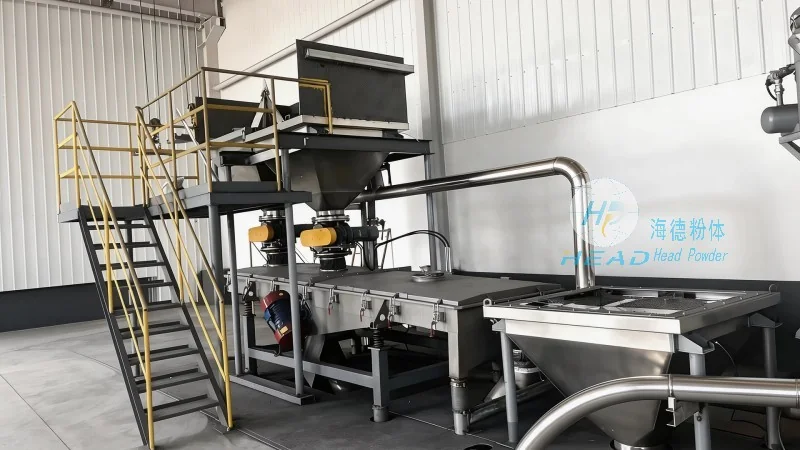
Advantages of Using Mobile Systems for Powder Handling
Mobile powder pneumatic conveying systems offer several distinct advantages over traditional fixed systems. The most significant benefit is the flexibility they provide, as they can be moved to different locations as production needs change. This is particularly valuable in industries where production lines are temporary or require frequent reconfiguration, such as construction sites, temporary manufacturing facilities, or research and development labs. Another key advantage is the reduced installation time and cost. Since mobile systems do not require extensive civil works or fixed foundations, they can be deployed quickly, minimizing project delays and capital expenditure. Furthermore, the compact and self-contained nature of these systems makes them suitable for indoor or confined spaces where fixed installations might be impractical. Maintenance is also more straightforward, as components can be accessed and serviced without the need for extensive disassembly or specialized equipment.
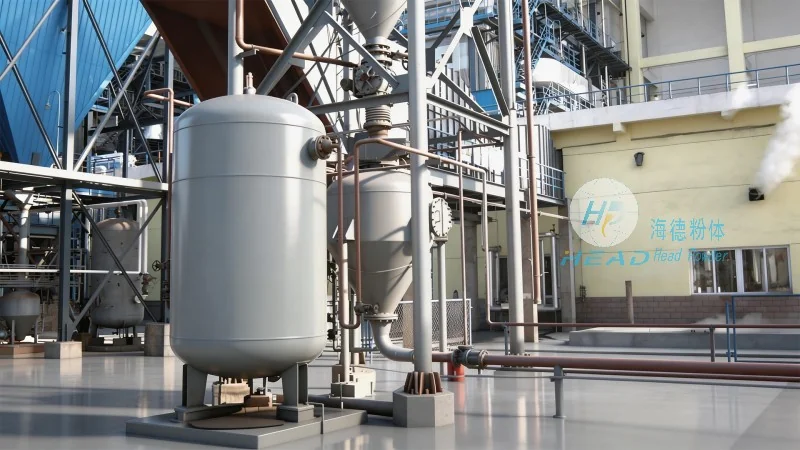
Applications in Various Industries
Mobile powder pneumatic conveying systems find extensive applications across a wide range of industries, each benefiting from the system's adaptability and efficiency. In the chemical industry, these systems are used to transport raw materials, intermediates, and finished products, ensuring safe and dust-free handling of hazardous powders. The food and pharmaceutical sectors rely on mobile systems for the transport of ingredients, additives, and active pharmaceutical ingredients (APIs), where hygiene and contamination control are paramount. In the construction industry, mobile systems are employed to handle bulk materials like cement, sand, and gravel, facilitating efficient material movement on job sites. The manufacturing sector, including plastics, ceramics, and metal powders, also utilizes these systems for internal material transfer within production lines. Additionally, in the agricultural industry, mobile systems are used to transport fertilizers, seeds, and animal feed, supporting efficient farming operations. The versatility of mobile systems makes them an ideal choice for any application requiring the reliable and flexible handling of bulk powders.
Conclusion
Mobile powder pneumatic conveying systems represent a cutting-edge solution for modern industrial powder handling challenges. By combining advanced design principles with portable construction, these systems offer unparalleled flexibility, efficiency, and cost-effectiveness. HeadPowder, with its expertise and commitment to quality, continues to lead the way in providing innovative solutions tailored to the evolving needs of industries worldwide. Whether for temporary or permanent use, mobile pneumatic conveying systems are essential tools for optimizing material flow and ensuring operational success in today's dynamic industrial landscape.