

What is a Dry Sludge Powder Pneumatic Conveyor? Exploring Its Design Principles
For industries handling dry sludge and powder materials, efficient material transport is essential. A dry sludge powder pneumatic conveyor is a specialized system that uses pressurized or vacuum air streams to move these materials. This technology offers a clean, flexible, and often more economical alternative to traditional mechanical conveyors, particularly when dealing with fine powders or sludge that can clog or damage mechanical equipment.
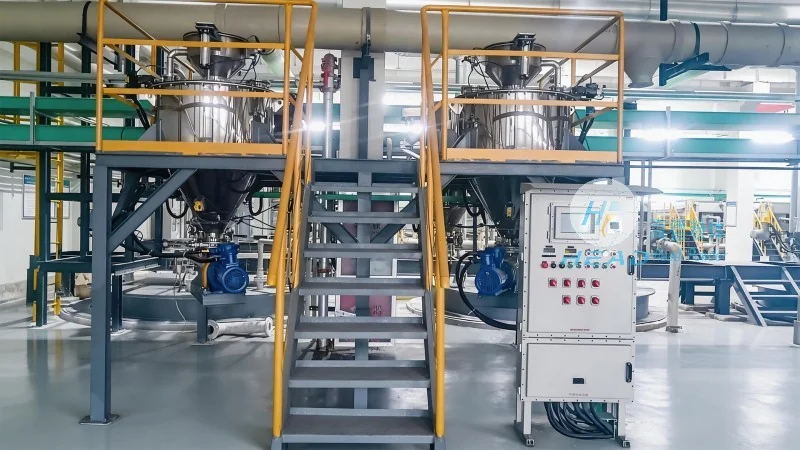
Introduction to Dry Sludge Powder Pneumatic Conveyors
A dry sludge powder pneumatic conveyor, also known as a pneumatic conveying system, is a device that transports dry, granular, or fine particulate materials through an air or gas stream. Unlike mechanical conveyors that rely on belts, screws, or buckets, pneumatic conveyors use the force of moving air to move the material. This makes them ideal for handling dry sludge, which can be sticky, abrasive, or contain moisture that would otherwise compromise other equipment.
Key Components of a Dry Sludge Powder Pneumatic Conveyor
The design of a dry sludge powder pneumatic conveyor typically includes several critical components that work in unison to ensure efficient operation. These components are:
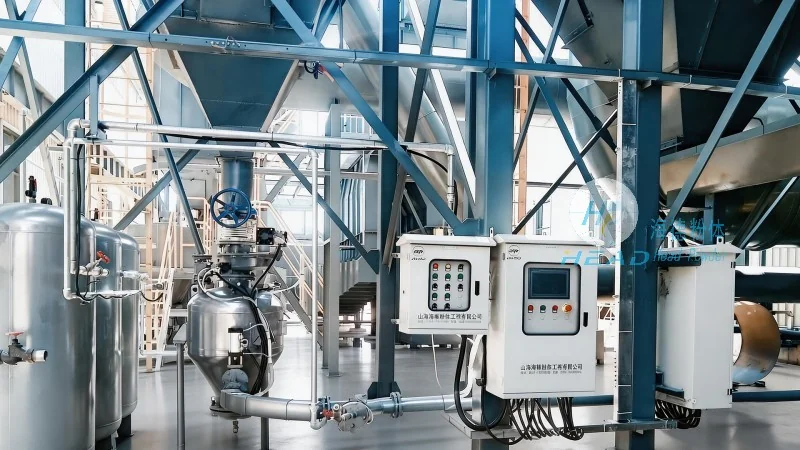
- Feeder: The feeder introduces the dry sludge or powder into the system. It may be a rotary valve, star feeder, or screw feeder, depending on the material's properties and required flow rate. The feeder ensures consistent, controlled material feed into the conveying line.
- Conveying Line: The main pipeline where material and air travel. Made of metal, plastic, or other materials based on the conveyed material and operating conditions, the line includes elbows, bends, or fittings to direct flow and maintain pressure or vacuum.
- Air Supply System: Provides the necessary air or gas to move material. This can be a blower, compressor, or vacuum pump, depending on whether the system operates under pressure or vacuum. The air supply is regulated to maintain optimal pressure or vacuum levels.
- Separation and Collection: At the receiving end, a separator or cyclone separates material from the air stream. The material is collected in a hopper or container, while air is filtered and recirculated or vented. This step is vital for maintaining cleanliness and preventing dust emissions.
- Control System: Monitors and regulates operation, using sensors to measure pressure, flow rate, or material level. It adjusts feeder speed, air pressure, or other parameters to maintain stable performance.
Design Principles for Dry Sludge Powder Pneumatic Conveyors
The design of a dry sludge powder pneumatic conveyor is guided by several key principles to ensure effectiveness and reliability:
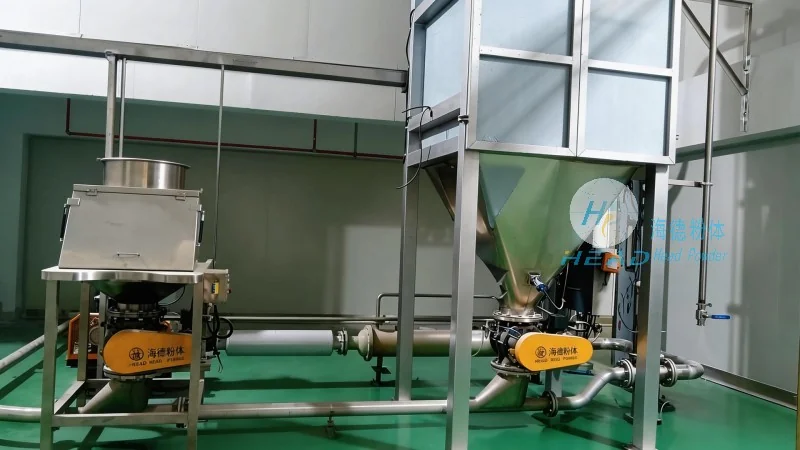
- Material Characteristics: The design must account for the material's properties, such as particle size, density, moisture content, and abrasiveness. For example, fine powders may need higher air velocities to prevent clogging, while sticky materials may require drying or conditioning before conveying.
- Conveying Method: The system operates in either pressure or vacuum mode. Pressure systems use a blower to push material and air through the line, while vacuum systems use a pump to draw material in. The choice depends on distance, elevation, and material characteristics. Pressure systems suit short to medium distances and high flow rates; vacuum systems are better for longer distances or lower elevations.
- System Sizing: Proper sizing of the line, air supply, and components is critical. Line diameter, air velocity, and pressure/vacuum levels are calculated based on material flow rate and properties. Under-sizing causes clogging or reduced efficiency; over-sizing increases energy costs.
- Material Handling and Safety: The design incorporates safety features to protect operators and the environment. This includes ventilation to prevent dust accumulation, explosion-proof components for flammable materials, and safety interlocks to avoid abnormal operation. The system also minimizes material loss and environmental contamination.
Applications of Dry Sludge Powder Pneumatic Conveyors
Dry sludge powder pneumatic conveyors are widely used across industries where dry sludge or powders need transport. Common applications include:
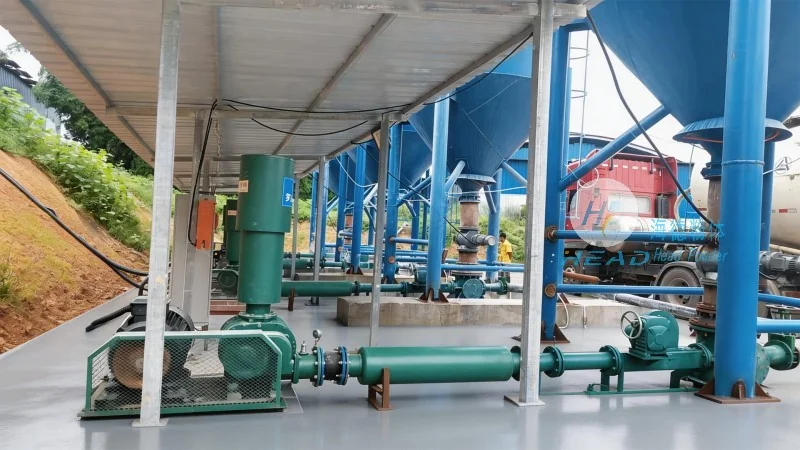
- Wastewater Treatment: In treatment plants, dry sludge is moved from dewatering equipment to storage or processing sites using pneumatic conveyors.
- Pharmaceutical and Food Industries: These sectors require clean, hygienic handling. Pneumatic conveyors transport dry powders like pharmaceuticals or food additives, ensuring sterility and preventing contamination.
- Chemical and Petrochemical Industries: Produced during chemical reactions or processing, dry sludge or powders are transported to storage or further processing, often paired with reactors or filters.
- Mining and Mineral Processing: In mining, fine powders from ore processing are conveyed to facilities or disposal sites, reducing manual handling risks.
Advantages of Using Dry Sludge Powder Pneumatic Conveyors
Compared to traditional mechanical conveyors, dry sludge powder pneumatic conveyors offer several benefits:
- Clean and Hygienic: Enclosed systems prevent dust and material from escaping, making them suitable for food and pharmaceutical industries.
- Flexible and Versatile: The system can be easily reconfigured or expanded to adapt to changing material flow rates or facility layouts.
- Low Maintenance: Few moving parts in direct contact with material reduce maintenance needs compared to mechanical conveyors, cutting downtime and costs.
- Energy Efficient: Modern systems use less power than traditional conveyors for the same flow rate, leading to long-term cost savings.
- Reduced Labor and Safety: Enclosed systems minimize manual material handling, enhancing workplace safety and reducing labor expenses.
Conclusion
A dry sludge powder pneumatic conveyor is a sophisticated system designed to handle dry sludge and powder materials with precision and reliability. By understanding its components, design principles, and applications, industries can make informed decisions about implementing pneumatic conveying systems to improve material handling processes. With proper design and maintenance, these systems deliver long-term benefits in efficiency, safety, and cost-effectiveness.