HeadPowder, a leading engineering company based in Shandong, China, specializes in the design and implementation of efficient material handling systems for grass powder processing. This article delves into the fundamental principles of grass powder material handling and explores the key characteristics of its working environments, providing a comprehensive overview for industry professionals and potential clients.
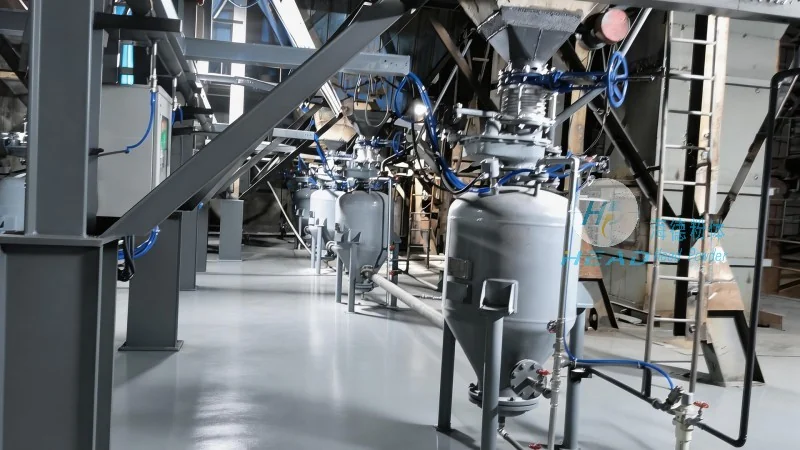
Understanding the Core Principles of Grass Powder Material Handling
Grass powder material handling involves the movement, storage, and transfer of grass-derived powders, which are widely used in animal feed, fertilizer, and other industrial applications. The efficiency of this process is critical to optimizing production lines and ensuring consistent product quality. At the heart of effective grass powder handling are several key principles that guide system design and operation.
Firstly, the principle of minimizing material degradation is paramount. Grass powders are often sensitive to moisture, temperature, and mechanical stress, which can lead to clumping, caking, or loss of nutritional value. Therefore, systems must incorporate features such as airtight enclosures, temperature control, and gentle handling mechanisms to preserve the integrity of the material. Secondly, the principle of energy efficiency is crucial for reducing operational costs and environmental impact. Modern material handling systems utilize advanced technologies like variable frequency drives (VFDs), energy recovery systems, and optimized conveyor designs to minimize power consumption while maintaining performance.
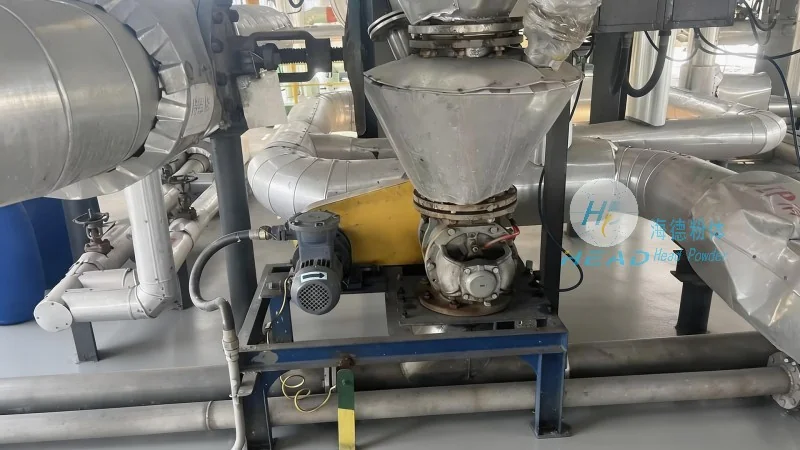
Thirdly, the principle of scalability and adaptability is essential for meeting varying production demands. As agricultural and industrial needs evolve, material handling systems must be able to accommodate changes in material volume, particle size, and processing requirements. This is achieved through modular designs, adjustable conveyor speeds, and flexible storage solutions that can be easily reconfigured to suit different operational scenarios. Finally, the principle of safety and compliance is a non-negotiable aspect of grass powder handling. Systems must adhere to industry standards for dust explosion prevention, occupational safety, and environmental regulations to ensure the well-being of personnel and the protection of the environment.
Key Working Scene Characteristics of Grass Powder Material Handling Systems
The working environments where grass powder material handling systems operate vary significantly based on the specific application and scale of the operation. Understanding these characteristics is vital for selecting the appropriate equipment and ensuring optimal performance.
One common working scene is the agricultural processing facility, where raw grass is harvested, dried, and ground into powder for animal feed production. In this setting, material handling systems must handle large volumes of bulk material and integrate with other processing equipment such as grinders, mixers, and storage silos. The systems are typically designed for high throughput and durability, as they operate continuously over extended periods. Additionally, these facilities often require systems that can handle variable moisture content and particle sizes, as the quality of the raw material can fluctuate with seasonal changes.
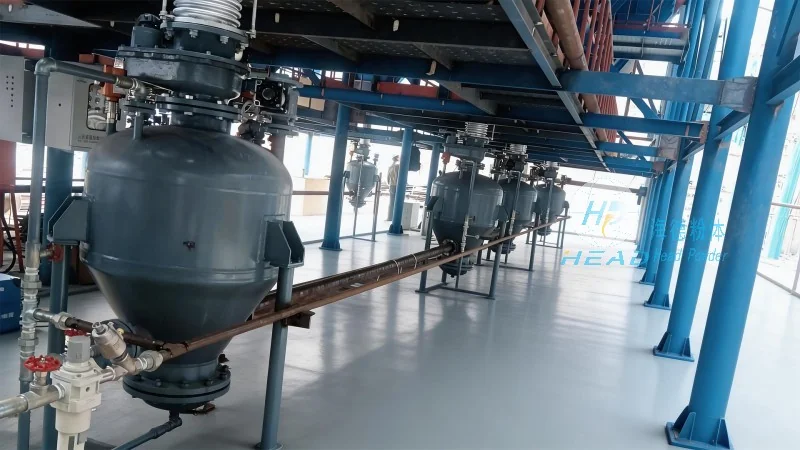
Another key working scene is the industrial fertilizer plant, where grass powder is used as a natural organic component in fertilizer blends. Here, material handling systems must ensure precise dosing and mixing of the powder with other ingredients, such as nitrogen, phosphorus, and potassium. The systems are often integrated with automated batching and mixing equipment, requiring high levels of accuracy and reliability to maintain consistent product formulations. Furthermore, fertilizer plants may operate under stringent environmental regulations, necessitating dust control measures and emission reduction technologies to minimize the impact on the surrounding environment.
A third important working scene is the specialized feed mill, where grass powder is combined with other feed ingredients to create customized animal feed formulations. In this setting, material handling systems must facilitate the seamless integration of multiple raw materials, ensuring uniform mixing and consistent product quality. The systems often include features such as multi-chute feeders, rotary valves, and pneumatic conveying lines to handle the diverse range of materials involved. Additionally, feed mills may require systems that can handle varying particle sizes and flow rates, as different feed ingredients have distinct handling characteristics.
Company Overview: HeadPowder Engineering
HeadPowder Engineering Co., Ltd., headquartered in Shandong, China, is a trusted provider of advanced material handling solutions tailored to the unique needs of grass powder processing industries. With years of experience in the field, the company has developed a deep understanding of the challenges associated with handling grass powders and has engineered innovative systems to address them.
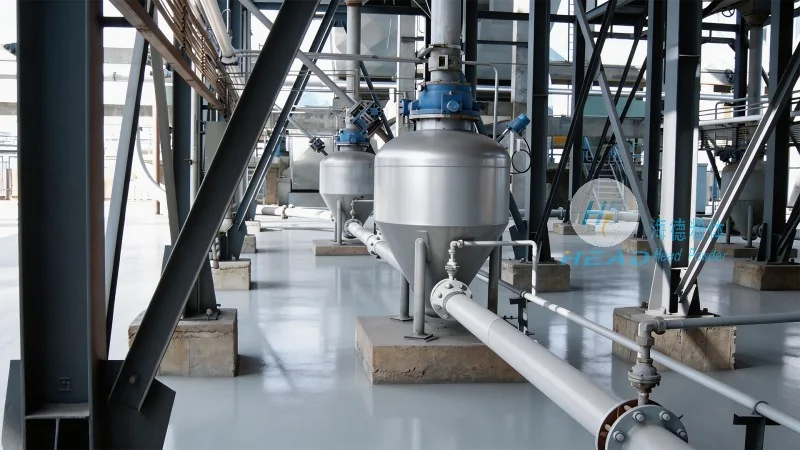
The company’s expertise lies in designing customized material handling systems that combine efficiency, reliability, and sustainability. HeadPowder’s team of engineers and technicians work closely with clients to assess their specific requirements, from initial material analysis to final system implementation. This collaborative approach ensures that the resulting systems are tailored to the client’s operational needs, maximizing productivity while minimizing costs and environmental impact.
HeadPowder’s product portfolio includes a range of equipment such as conveyors, elevators, storage silos, and pneumatic systems, all engineered to handle grass powders with precision and care. The company adheres to international quality standards and employs rigorous testing protocols to ensure that its products meet the highest performance and safety requirements. Additionally, HeadPowder provides comprehensive after-sales support, including maintenance services, spare parts supply, and technical training, to ensure that clients can operate their systems efficiently and reliably over the long term.




