When it comes to the efficient processing and transportation of kaolin—a key industrial mineral used in various applications such as paper, ceramics, and cosmetics—specialized equipment is essential. This article explores the world of kaolin material handling equipment, focusing on their design principles and how they contribute to the smooth operation of kaolin processing facilities.
Understanding Kaolin Material Handling Equipment
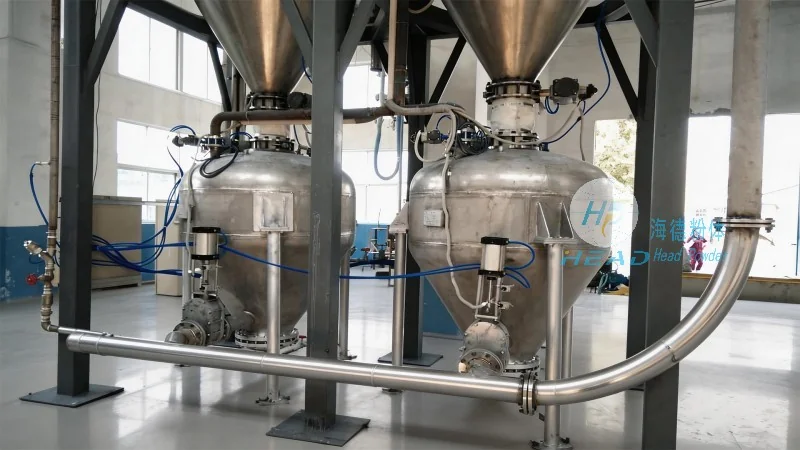
Kaolin material handling equipment refers to a range of machinery and systems engineered to handle, transport, and store kaolin powder and other fine mineral powders. These systems are designed to address the unique challenges posed by kaolin, including its fine particle size, hygroscopic nature, and tendency to form agglomerates. The equipment must ensure minimal product loss, maintain product quality, and operate reliably under continuous industrial conditions.
Key Design Principles for Kaolin Handling Systems
The design of kaolin material handling equipment is guided by several critical principles to ensure optimal performance and safety. First, material flow optimization is paramount. Equipment like screw conveyors, pneumatic conveyors, and bucket elevators are commonly used to move kaolin from storage silos to processing units. The design considers factors such as particle size distribution, bulk density, and flowability to prevent blockages and ensure consistent material flow.
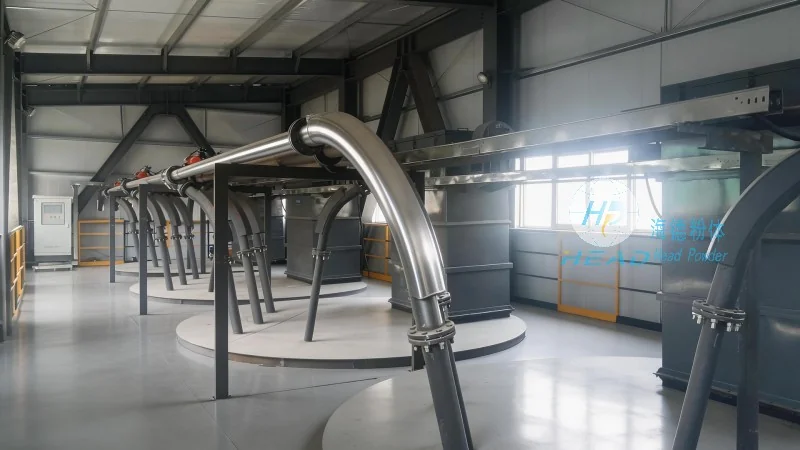
Second, contamination control is a key consideration. Kaolin is often handled in clean environments, and equipment must be constructed from materials that do not introduce contaminants. Stainless steel, food-grade plastics, and specialized coatings are frequently used to prevent cross-contamination and maintain the purity of the kaolin. Additionally, sealed systems and dust collection mechanisms are integrated to minimize airborne dust and protect both the product and the environment.
Third, energy efficiency plays a significant role in the design. Modern kaolin handling systems incorporate energy-saving features, such as variable speed drives and optimized conveyor designs, to reduce operational costs. This is particularly important in large-scale processing plants where energy consumption can be substantial.
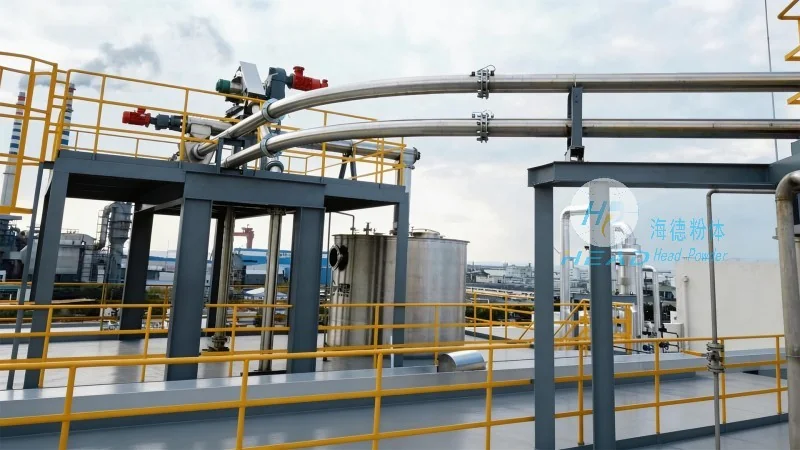
Fourth, maintenance and accessibility are critical for long-term reliability. Equipment is designed with easy-to-clean components and accessible maintenance points. This ensures that downtime is minimized and the system can be serviced efficiently, reducing overall operational costs.
Components of Kaolin Material Handling Equipment
Typical kaolin material handling systems consist of several key components, each playing a vital role in the overall process. The primary components include:
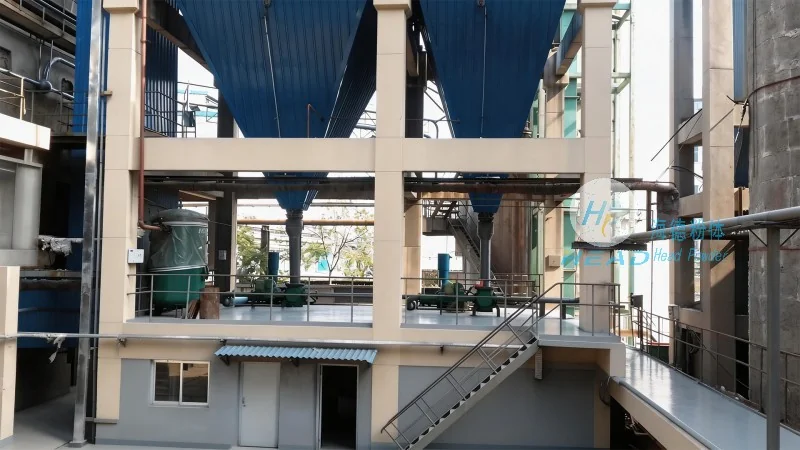
- Storage Silos: Large, airtight silos are used to store kaolin in bulk. These silos are designed to prevent moisture absorption and maintain product quality. They often feature agitators or sweepers to keep the material from settling and bridging.
- Conveyors: Conveyors are the backbone of the material handling system. Screw conveyors are ideal for horizontal or slight incline transport due to their ability to handle fine powders without clogging. Pneumatic conveyors use air pressure to move kaolin through a pipeline, which is efficient for long-distance transport but requires careful control to prevent pressure drops and material buildup.
- Bucket Elevators: For vertical transport, bucket elevators are commonly used. These systems lift kaolin from lower levels to higher processing units, ensuring a continuous flow of material. The design of bucket elevators, including the speed of the buckets and the angle of the conveyor, is critical to prevent material spillage and ensure smooth operation.
- Dust Collection Systems: To manage airborne dust, dust collection systems are integrated into the equipment. These systems use filters or cyclones to capture fine particles, protecting workers and the environment from exposure to kaolin dust.
Applications and Benefits of Kaolin Handling Equipment
Kaolin material handling equipment is widely used in various industries, including paper manufacturing, ceramics, and cosmetics. In the paper industry, kaolin is used as a coating pigment, and efficient handling ensures consistent quality in the final product. In ceramics, kaolin is used as a raw material, and precise handling is crucial for achieving the desired properties in the finished products. In cosmetics, kaolin is used in skincare products, and maintaining product purity is essential.
The benefits of using specialized kaolin handling equipment extend beyond efficiency. These systems improve product quality by minimizing contamination and maintaining consistent particle size. They also enhance safety by reducing the risk of dust explosions and improving working conditions. Additionally, the design of modern equipment allows for better control over the material flow, leading to higher productivity and lower operational costs.




