Calcium hydroxide, commonly known as slaked lime, is a widely used chemical in various industries such as construction, agriculture, and water treatment. The efficient and safe handling of this material is crucial for industrial operations, and specialized equipment has been developed to meet these demands. This article delves into the calcium hydroxide material handling equipment, exploring its key components, operational principles, and the underlying design philosophies that ensure optimal performance and safety.
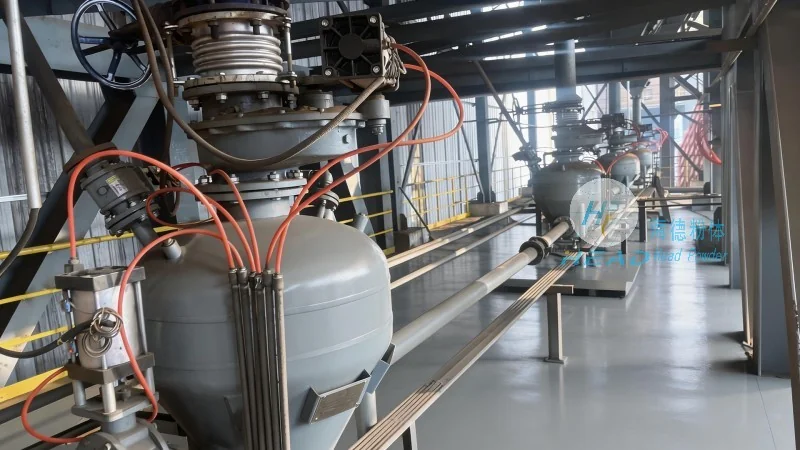
Key Components and Functionality of Calcium Hydroxide Material Handling Equipment
The calcium hydroxide material handling equipment typically consists of several integrated components that work in tandem to transport and process the material. At the core of the system is a robust conveyor or pneumatic transport mechanism designed to handle the bulk nature of calcium hydroxide. These systems may include screw conveyors, belt conveyors, or air slides, each chosen based on the specific characteristics of the material and the operational environment. The equipment is equipped with high-quality, corrosion-resistant materials, such as stainless steel or specialized alloys, to withstand the chemical properties of calcium hydroxide and prevent degradation over time.
Control systems are another critical component, enabling operators to monitor and adjust the flow rate, pressure, and other parameters in real-time. Advanced control panels often include sensors for level detection, temperature monitoring, and pressure regulation, ensuring that the equipment operates within safe and efficient limits. Safety features, including emergency stop buttons, overload protection, and dust suppression systems, are integrated to minimize risks associated with handling this material, which can be caustic and generate dust when processed.
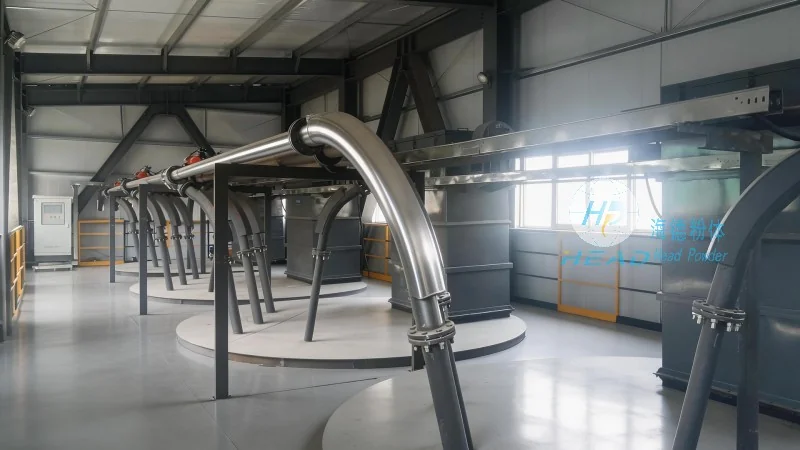
Design Principles Behind Calcium Hydroxide Material Handling Equipment
The design of calcium hydroxide material handling equipment is guided by several fundamental principles aimed at maximizing efficiency, durability, and safety. One of the primary design considerations is material compatibility. Since calcium hydroxide is a reactive chemical, the equipment must be constructed from materials that do not react with or corrode the substance. This often involves the use of non-ferrous metals or specialized coatings that resist chemical attack. Additionally, the equipment is designed with smooth, non-porous surfaces to prevent material buildup and ensure easy cleaning, which is essential for maintaining hygiene and preventing contamination.
Structural integrity is another key design principle. The equipment must be able to withstand the mechanical stresses associated with handling bulk materials, including the weight of the material and the forces generated during transport. This is achieved through the use of reinforced frames, sturdy supports, and robust connections that can endure continuous operation without compromising safety. The design also emphasizes ergonomic considerations, ensuring that the equipment is easy to operate and maintain, reducing the risk of human error and improving overall operational efficiency.
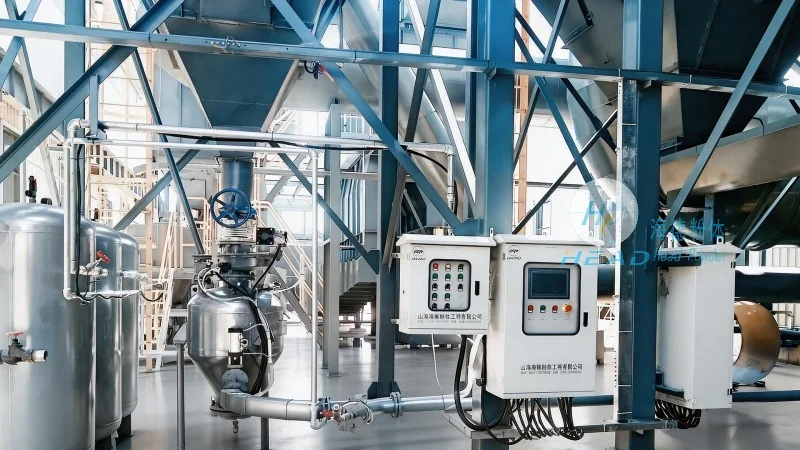
Efficiency and energy conservation are integral to the design as well. Modern calcium hydroxide material handling equipment incorporates energy-efficient motors and control systems that optimize power usage while maintaining performance. The equipment is engineered to minimize material loss and waste, with features such as sealed containers and precise control mechanisms that ensure the material is transported with minimal spillage or degradation. This not only reduces operational costs but also contributes to environmental sustainability by minimizing the impact of material handling on the environment.
Application Scenarios and Industry Use Cases
The calcium hydroxide material handling equipment is widely utilized across various industries, each with specific requirements that the equipment addresses. In the construction industry, for example, the equipment is used to transport calcium hydroxide for applications such as soil stabilization, concrete production, and water treatment in building projects. The ability to handle large volumes of material efficiently and safely makes it an essential tool for construction companies, ensuring that projects are completed on time and within budget.
In the agricultural sector, calcium hydroxide is used as a soil amendment and for pest control. The material handling equipment is designed to transport the chemical to farms and agricultural sites, where it can be applied to fields or stored for later use. The equipment's durability and resistance to outdoor conditions make it suitable for agricultural applications, where it may be exposed to weather and other environmental factors.
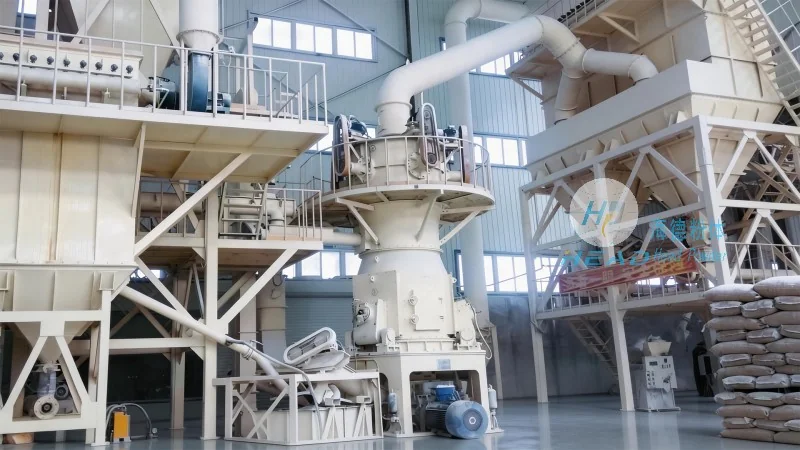
In water treatment facilities, calcium hydroxide is used to adjust pH levels and remove impurities from water. The material handling equipment is integrated into the treatment process, ensuring that the chemical is added to the water supply in precise quantities. The equipment's ability to handle the material under high-pressure conditions and maintain consistent flow rates is critical for maintaining water quality and compliance with regulatory standards.
Conclusion and Company Information
Calcium hydroxide material handling equipment plays a vital role in the efficient and safe processing of this essential chemical. The design principles, components, and applications discussed in this article highlight the importance of specialized equipment in meeting the demands of various industries. As a leading manufacturer in the field, Shandong HeadPowder Engineering Co., Ltd. specializes in developing and supplying high-quality calcium hydroxide material handling equipment tailored to the unique needs of different sectors. With a focus on durability, safety, and efficiency, the company's products are designed to enhance operational performance while minimizing risks. Based in Shandong, China, HeadPowder continues to innovate and provide reliable solutions for the material handling challenges faced by industries worldwide.




