Concrete pneumatic conveying systems represent a sophisticated technology for transporting concrete and related materials. These systems utilize air pressure to move bulk materials, offering advantages such as flexibility, efficiency, and the ability to navigate complex layouts. Understanding the underlying principles and diverse application scenarios is crucial for optimizing construction processes and enhancing project outcomes.
Principles of Concrete Pneumatic Conveying
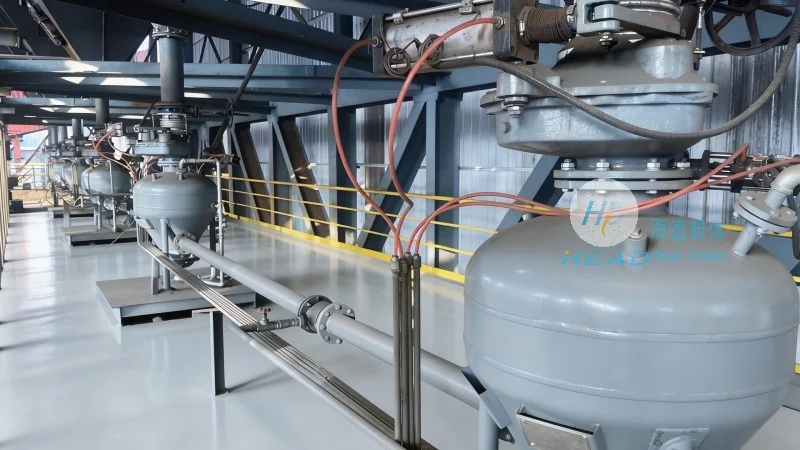
The core principle of concrete pneumatic conveying involves the use of compressed air to generate a flow of material through a pipeline. The system typically consists of a hopper, a blower or compressor, and a pipeline network. When the material is introduced into the hopper, the air is activated, creating a vacuum or pressure differential that propels the concrete through the system. This method eliminates the need for traditional conveyor belts or trucks, reducing labor costs and minimizing material spillage. The technology is based on the physics of fluidization and the behavior of particulate materials under airflow, ensuring consistent and controlled delivery of concrete to the desired location.
Key Components and Their Functions
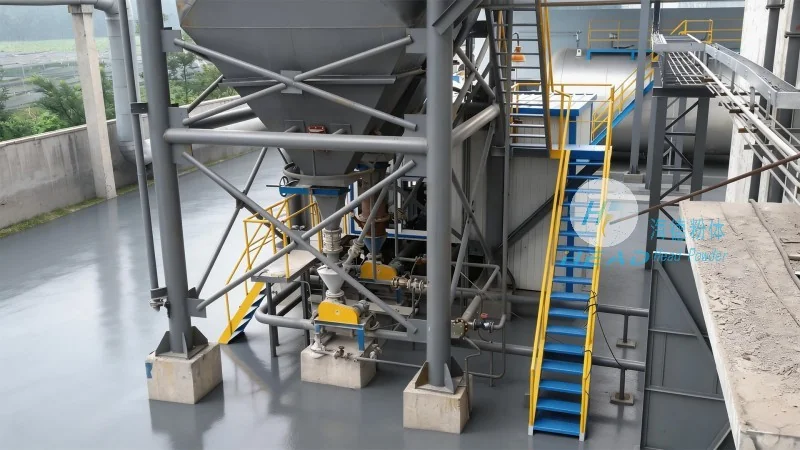
Several critical components work in tandem to ensure the effective operation of a concrete pneumatic conveying system. The hopper serves as the material storage and feeding unit, allowing for continuous or batch loading of concrete. The blower or compressor provides the necessary air pressure, with options ranging from positive pressure systems (where air pushes material) to negative pressure systems (where air pulls material). The pipeline network, often made of stainless steel or other corrosion-resistant materials, transmits the concrete from the source to the destination. Additionally, control valves and filters are essential for regulating airflow and preventing blockages, ensuring smooth operation and material quality.
Application Scenarios and Operational Advantages
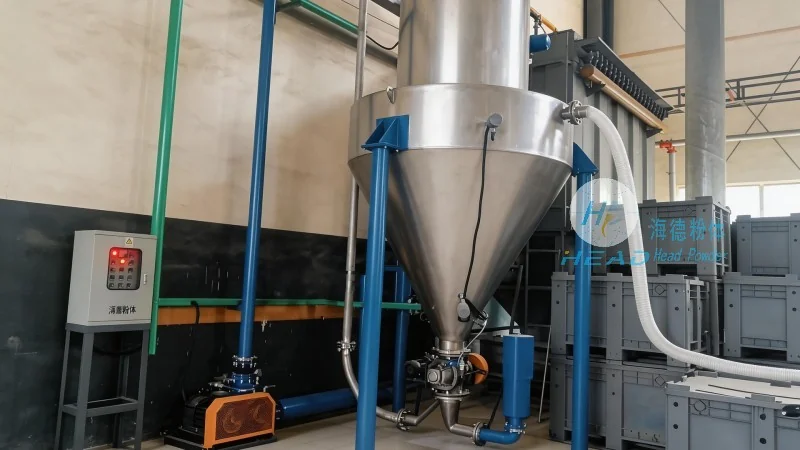
Concrete pneumatic conveying systems are widely applied in various construction scenarios, particularly where traditional methods are impractical. In high-rise building projects, these systems enable the vertical transport of concrete from ground-level mixing stations to upper floors, eliminating the need for external lifts or cranes. This reduces construction time and improves safety by minimizing the number of personnel on elevated platforms. In industrial settings, such as large-scale infrastructure projects like dams or bridges, the systems facilitate the efficient delivery of concrete to remote or hard-to-reach areas, enhancing productivity and reducing material handling costs. Furthermore, in environments with limited space or complex layouts, the flexibility of pneumatic conveying allows for customized pipeline configurations, adapting to the specific requirements of each project.
Operational Considerations and Maintenance
While concrete pneumatic conveying offers numerous benefits, proper operation and maintenance are essential for optimal performance. Regular inspection of the pipeline for leaks or blockages is crucial to prevent system inefficiencies. The blower or compressor must be maintained to ensure consistent air pressure, as fluctuations can affect material flow. Additionally, cleaning the system after each use or at regular intervals is necessary to prevent material buildup and maintain air quality. The use of appropriate filters and moisture control measures helps to preserve the quality of the concrete and extend the lifespan of the equipment. By adhering to these operational guidelines, construction companies can maximize the efficiency and reliability of their concrete pneumatic conveying systems.
Conclusion
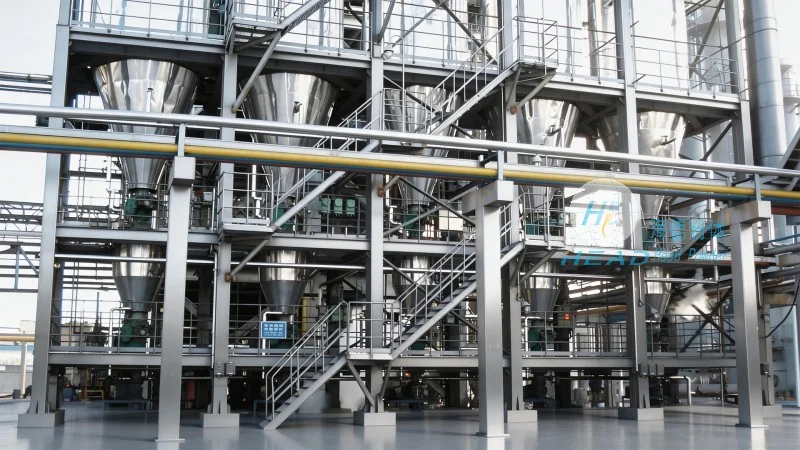
Concrete pneumatic conveying systems represent a modern and efficient solution for transporting concrete in construction projects. By leveraging the principles of air pressure and fluidization, these systems offer significant advantages over traditional methods, including increased flexibility, reduced labor costs, and improved safety. As construction projects become more complex and demanding, the application of such technology becomes increasingly important. For those seeking to enhance their construction capabilities, understanding the principles and benefits of concrete pneumatic conveying is a valuable step toward achieving higher productivity and project success. Shandong HeadPowder Engineering Co., Ltd., based in Shandong, China, specializes in the design, manufacturing, and implementation of advanced concrete pneumatic conveying systems, providing tailored solutions to meet the diverse needs of construction industries worldwide.




