Polyvinylidene chloride (PVDC) is a versatile fluoropolymer widely used in industrial applications due to its excellent chemical resistance, thermal stability, and barrier properties. Pneumatic conveying systems utilizing PVDC components offer efficient and reliable material handling solutions for various industries. This article explores the working principle and key characteristics of PVDC pneumatic conveying systems, highlighting their advantages and practical applications.
Working Principle of Polyvinylidene Chloride Pneumatic Conveying
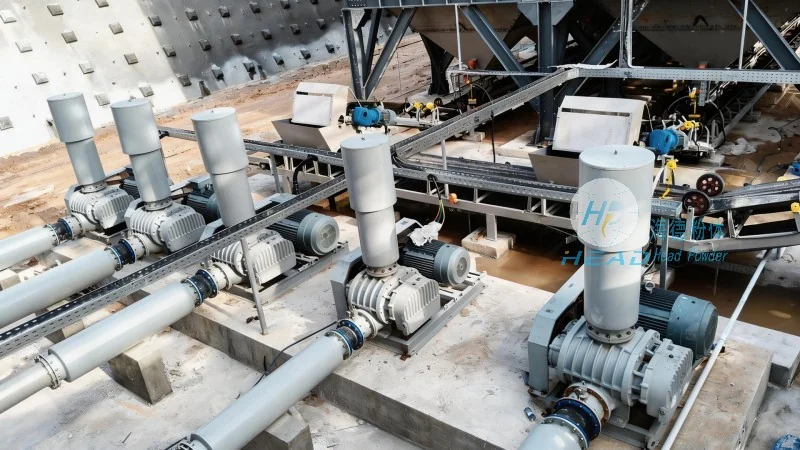
The core mechanism of a PVDC pneumatic conveying system involves the use of compressed air to transport bulk materials through a pipeline network. The system typically consists of a material hopper, a rotary airlock feeder, a conveying line, and a receiver. When the material is introduced into the hopper, it is fed into the conveying line via the rotary airlock, which controls the flow rate. Compressed air is then introduced into the line, creating a pressure differential that propels the material forward. The air and material mixture travels through the pipeline, and the material is deposited into the receiver at the end of the line. The air is then filtered and recycled back into the system, ensuring energy efficiency and minimal waste.
Key Characteristics of PVDC Pneumatic Conveying Systems
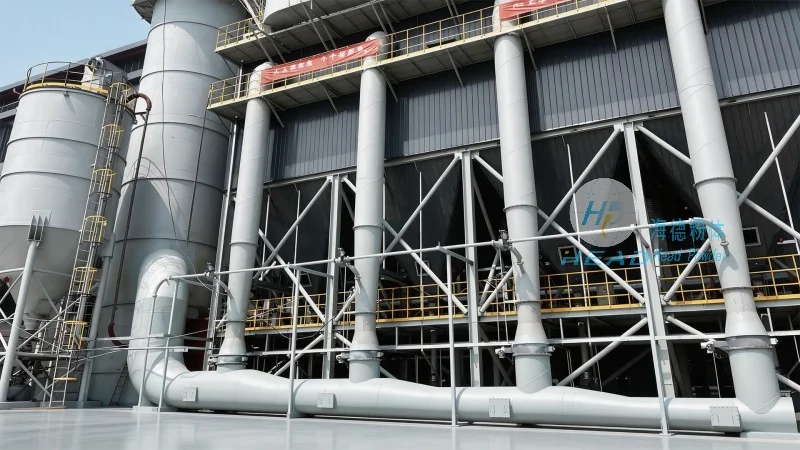
PVDC materials are chosen for pneumatic conveying systems due to several critical characteristics. First, PVDC exhibits exceptional chemical resistance, making it suitable for handling corrosive or aggressive materials without degradation. Second, its thermal stability allows the system to operate at elevated temperatures, which is essential for processing heat-sensitive or high-temperature materials. Third, the material's low permeability and barrier properties prevent moisture or oxygen from affecting the conveyed products, maintaining product integrity. Additionally, PVDC components are lightweight, easy to install, and resistant to wear and abrasion, reducing maintenance costs and extending the system's lifespan. The flexibility of PVDC also enables the design of compact and customized conveying systems tailored to specific industrial needs.
Advantages of Using Polyvinylidene Chloride in Pneumatic Conveying
Implementing PVDC in pneumatic conveying systems provides numerous benefits for industrial operations. The primary advantage is enhanced material handling efficiency, as the system can transport materials over long distances with minimal energy consumption. PVDC's chemical resistance ensures that the conveyed products remain unaffected by exposure to harsh environments, which is crucial for maintaining product quality in sectors like pharmaceuticals, food processing, and chemical manufacturing. The system's ability to handle a wide range of materials, from fine powders to bulk solids, makes it a versatile solution for diverse applications. Furthermore, the durability of PVDC components reduces downtime and maintenance requirements, leading to lower operational costs over time. The system's compact design allows for easy integration into existing production lines, minimizing disruption during installation and operation.
About Shandong HeadPowder Engineering Co., Ltd.
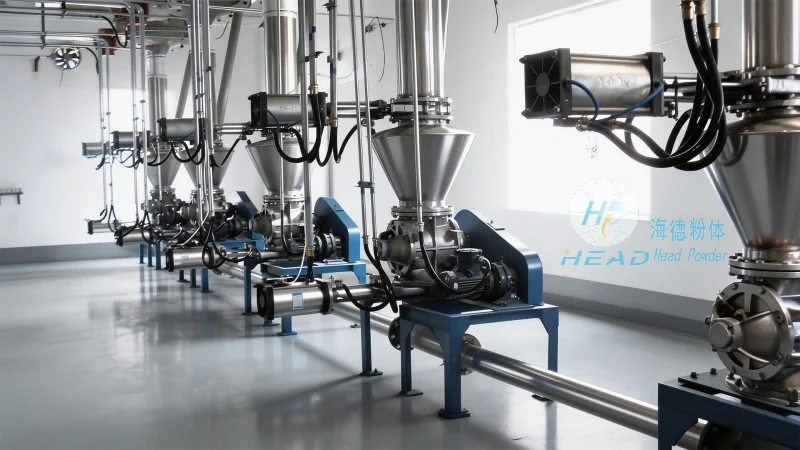
Shandong HeadPowder Engineering Co., Ltd., operating under the brand name headpowder, is a leading manufacturer specializing in industrial material handling solutions. With a focus on innovation and quality, the company designs and manufactures high-performance pneumatic conveying systems using advanced materials like polyvinylidene chloride. HeadPowder's expertise lies in developing customized solutions that meet the unique requirements of various industries, ensuring reliable and efficient material transport. The company's commitment to customer satisfaction and technical excellence has established it as a trusted partner in the field of industrial engineering. Located in Shandong, China, HeadPowder leverages its local resources and technical capabilities to deliver cutting-edge solutions for global clients.




