

Working Principle and Features of Catalyst Pneumatic Conveying Systems
Understanding the working principle and features of catalyst pneumatic conveying systems is crucial for industries that rely on efficient catalyst handling and transportation. This article provides a detailed overview of how these systems operate and the key characteristics that make them effective in various industrial applications.
Introduction to Catalyst Pneumatic Conveying Systems
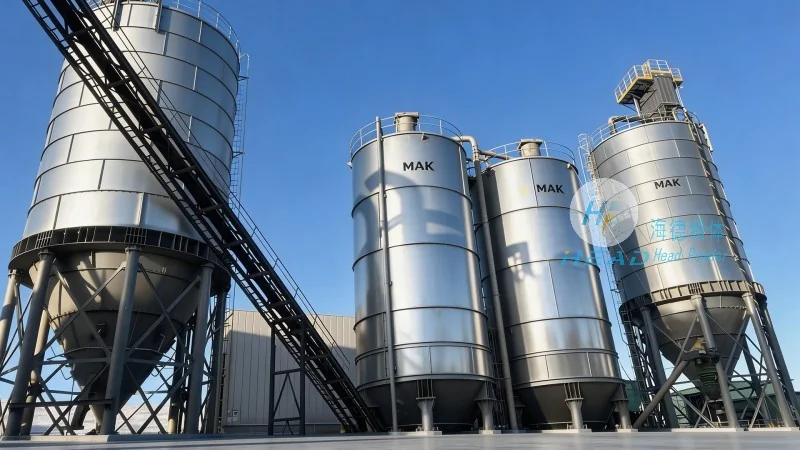
Catalyst pneumatic conveying systems are specialized equipment designed to transport catalyst powders and granules from one location to another using air or other gases as the conveying medium. These systems are widely used in chemical, petrochemical, and pharmaceutical industries due to their ability to handle delicate and valuable catalyst materials with minimal product degradation. The technology offers advantages such as high efficiency, low maintenance, and the ability to operate in a closed system, which helps maintain product purity and environmental safety.
Working Principle of Catalyst Pneumatic Conveying Systems
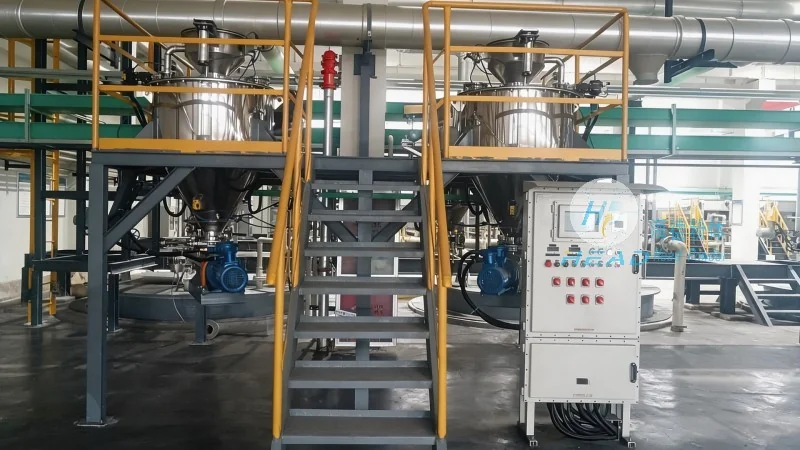
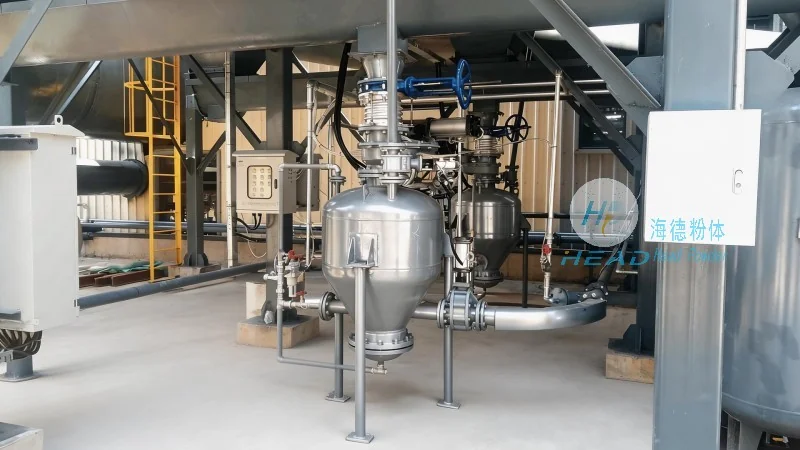
The core working principle of a catalyst pneumatic conveying system involves the use of a blower or compressor to generate airflow, which then propels the catalyst particles through a pipeline. The system typically consists of several key components, including a hopper for material storage, a feeder to control the flow rate, a conveying line, and a receiver for the discharged material. The process begins when the catalyst is fed into the hopper, and the feeder regulates the amount of material released into the conveying line. The blower then creates a high-velocity air stream that picks up the catalyst particles and transports them through the pipeline to the receiver. The air and catalyst mixture is then separated at the receiver, with the catalyst collected in a container and the air either filtered and released or recirculated back into the system. This closed-loop operation ensures that the catalyst remains contained and protected from contamination or loss.
Key Features of Catalyst Pneumatic Conveying Systems
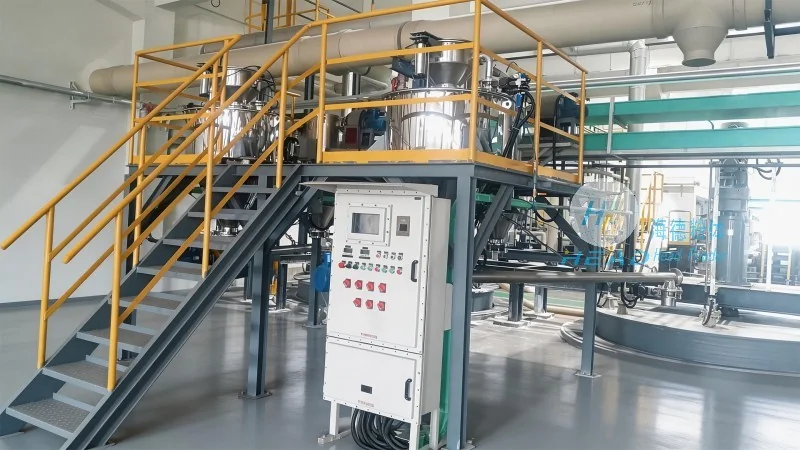
Several notable features distinguish catalyst pneumatic conveying systems from other material handling methods. First, the systems are highly efficient in terms of energy consumption and material throughput, making them suitable for large-scale production environments. Second, the closed system design minimizes product exposure to external factors, such as moisture, dust, or contaminants, which is critical for maintaining the quality and performance of catalysts. Third, these systems offer flexibility in terms of layout and installation, as the conveying lines can be arranged in various configurations to suit the specific needs of a facility. Additionally, modern catalyst pneumatic conveying systems often incorporate advanced control technologies, such as variable frequency drives and sensors, to optimize operation and ensure consistent performance. The ability to handle both dry and wet catalysts, depending on the system design, further enhances their versatility. Another important feature is the reduced risk of product degradation due to the gentle handling of particles, which is particularly important for catalysts that are sensitive to mechanical stress or temperature changes.
Applications and Benefits in Industrial Settings
Catalyst pneumatic conveying systems are employed in a wide range of industrial applications where catalyst handling is essential. In the chemical industry, they are used to transport catalysts to reactors, reactors to storage tanks, or between different processing stages. In petrochemical plants, these systems facilitate the movement of catalysts for processes like cracking, reforming, and polymerization. The pharmaceutical industry also benefits from these systems when handling catalysts used in the synthesis of active pharmaceutical ingredients (APIs). The benefits of using catalyst pneumatic conveying systems in these applications include improved process efficiency, reduced downtime due to fewer maintenance requirements, and enhanced product quality through better control over the material handling process. Furthermore, the systems contribute to a safer working environment by containing dust and preventing exposure to hazardous materials, which aligns with modern industrial safety standards.
About Shandong HeadPowder Engineering Co., Ltd.
Shandong HeadPowder Engineering Co., Ltd., commonly known as HeadPowder, is a leading manufacturer and supplier of catalyst handling equipment, including pneumatic conveying systems. With a strong focus on innovation and quality, the company has established itself as a trusted partner for industries requiring reliable and efficient catalyst transportation solutions. HeadPowder's expertise lies in designing and manufacturing customized pneumatic conveying systems tailored to the specific needs of each client. The company's products are known for their durability, precision, and adherence to industry standards, ensuring optimal performance in demanding industrial environments. HeadPowder's commitment to customer satisfaction and technical excellence has made it a preferred choice for companies seeking to enhance their catalyst handling processes. The company's facilities are located in Shandong, China, where it leverages advanced manufacturing capabilities and a skilled workforce to produce high-quality equipment that meets global market demands.