

Working Principle and Features of Polyurethane Pneumatic Conveying Systems
For industries seeking efficient and reliable material handling solutions, polyurethane pneumatic conveying systems stand out as a versatile and effective option. These systems utilize air to transport bulk materials, offering advantages such as low maintenance, flexibility in layout, and the ability to handle a wide range of products. This article explores the working principle and key features of polyurethane pneumatic conveying systems, providing insights into their functionality and benefits.
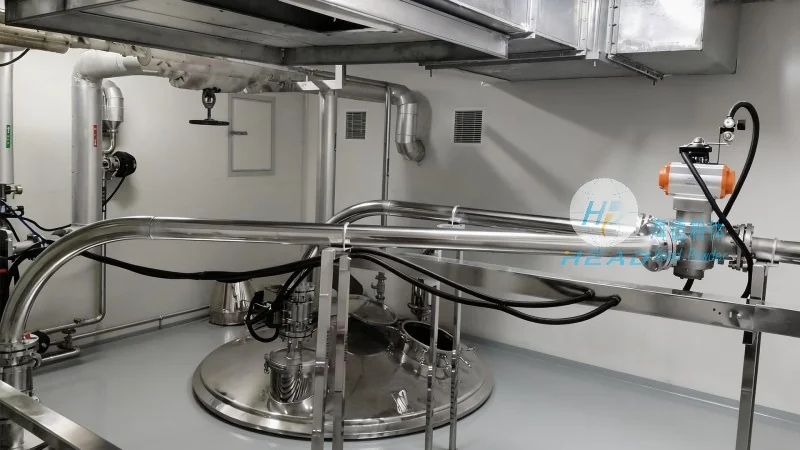
Understanding the Working Principle of Polyurethane Pneumatic Conveying Systems
The core of a polyurethane pneumatic conveying system lies in its ability to move materials through a network of pipes using compressed air. The process typically involves several key components, including a material feed hopper, a blower or compressor, conveying lines, and a discharge point. When the system is activated, the blower generates a flow of air that creates a vacuum or pressure differential, which propels the material particles along the pipeline. Polyurethane components, such as hoses, elbows, and fittings, are integral to this process, as they provide the necessary flexibility and durability to withstand the abrasive nature of the materials being transported.
During operation, the material is introduced into the system via the feed hopper, where it is broken up and mixed with the air stream. The air velocity is carefully controlled to ensure that the material particles are carried efficiently without causing excessive wear on the system components. The conveying lines, often made from high-quality polyurethane, are designed to minimize friction and maintain consistent airflow, which enhances the overall performance of the system. At the discharge point, the material is separated from the air and collected, completing the transport cycle.
Key Features and Advantages of Polyurethane Pneumatic Conveying Systems
Polyurethane pneumatic conveying systems offer several distinct advantages that make them suitable for various industrial applications. One of the primary features is their ability to handle a wide variety of materials, including powders, granules, and even bulk solids, without the need for additional equipment like conveyors or elevators. This versatility allows for seamless integration into existing production lines, reducing the complexity and cost of material handling operations.
Another notable feature is the low maintenance requirement of these systems. Polyurethane components are resistant to abrasion and corrosion, which minimizes the need for frequent replacements or repairs. This durability translates into lower operational costs over the system's lifespan, making it an economical choice for businesses. Additionally, the systems are designed for easy cleaning and maintenance, with components that can be disassembled and cleaned without extensive downtime.
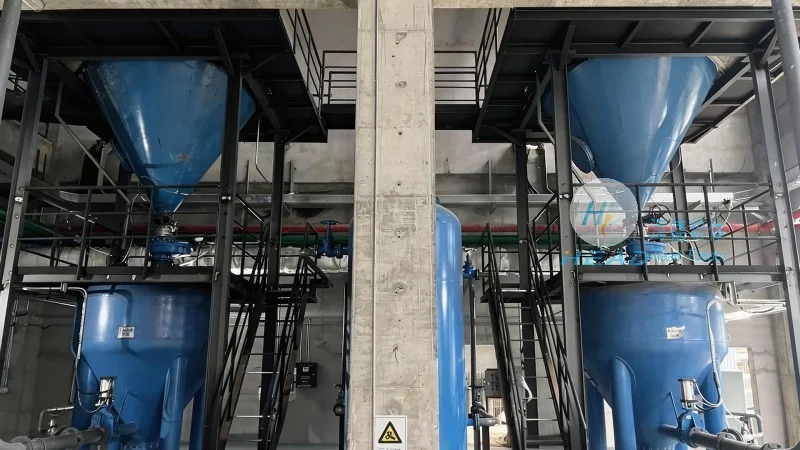
Flexibility in system design is another key advantage. Polyurethane pneumatic conveying systems can be customized to fit specific space constraints and operational requirements. The modular nature of the components allows for easy expansion or reconfiguration as production needs change. This adaptability ensures that the system remains effective and efficient even as the business grows or its processes evolve.
Furthermore, these systems provide a hygienic and clean environment for material handling. The enclosed design prevents dust and particles from escaping into the workspace, reducing the risk of contamination and improving overall workplace safety. This is particularly important in industries such as food processing, pharmaceuticals, and chemical manufacturing, where product purity and safety are paramount.
Applications and Industries Benefiting from Polyurethane Pneumatic Conveying Systems
The versatility of polyurethane pneumatic conveying systems makes them applicable across a broad spectrum of industries. In the food and beverage sector, these systems are commonly used to transport ingredients like flour, sugar, and spices, ensuring that the materials remain fresh and uncontaminated. The hygienic design and easy cleaning features make them ideal for environments where food safety regulations are strictly enforced.
In the pharmaceutical industry, polyurethane pneumatic conveying systems are utilized to handle active pharmaceutical ingredients (APIs) and other sensitive materials. The ability to maintain a controlled environment and prevent cross-contamination is critical in this sector, and the systems' enclosed design and material resistance to chemicals meet these stringent requirements.
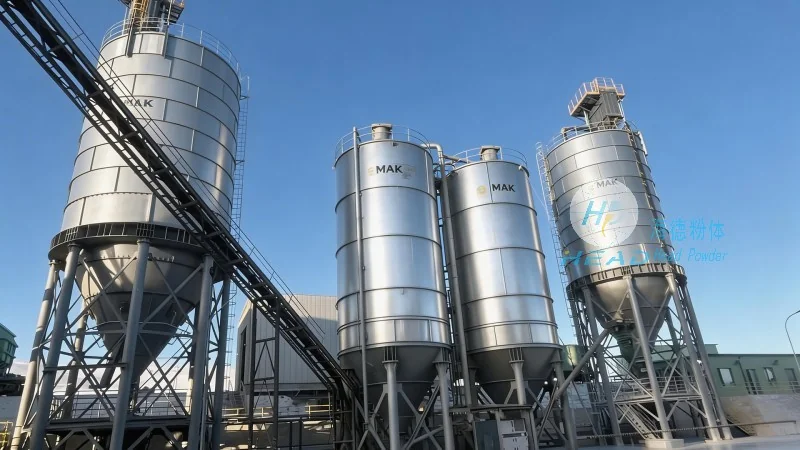
In the chemical and petrochemical industries, these systems are employed to transport powders and granules, such as catalysts, pigments, and raw materials. The durability of polyurethane components in harsh chemical environments, combined with their resistance to abrasion, ensures long-term reliability and performance. Additionally, the systems' ability to handle abrasive materials without significant wear extends their operational life and reduces maintenance costs.
In the agricultural and mining sectors, polyurethane pneumatic conveying systems are used to transport bulk materials like grains, seeds, and minerals. The systems' flexibility and ability to handle large volumes make them suitable for processing facilities and storage operations. The low maintenance and cost-effectiveness of these systems contribute to their widespread adoption in these industries.
Conclusion and Company Information
Polyurethane pneumatic conveying systems represent a sophisticated and efficient solution for material handling in various industrial applications. Their working principle, which relies on compressed air to transport materials through durable polyurethane components, offers numerous advantages including versatility, low maintenance, and hygienic operation. The key features of these systems, such as their ability to handle diverse materials, flexibility in design, and resistance to wear and corrosion, make them a preferred choice for businesses seeking reliable and cost-effective material transport solutions.
Shandong HeadPowder Engineering Co., Ltd., a leading provider in this field, specializes in designing and manufacturing high-quality polyurethane pneumatic conveying systems tailored to meet the specific needs of different industries. With a focus on durability, efficiency, and customer satisfaction, HeadPowder offers customized solutions that enhance operational productivity while reducing costs. HeadPowder's systems are built with premium polyurethane components, ensuring long-lasting performance and minimal maintenance requirements. The company's commitment to quality and innovation has established it as a trusted partner for businesses looking to optimize their material handling processes. HeadPowder, located in Shandong, China, continues to lead the industry in providing advanced and reliable pneumatic conveying solutions.