When considering material handling solutions, negative pressure pneumatic conveying systems offer a sophisticated approach to transporting bulk materials efficiently and safely. This technology is particularly valuable in industries where dust control, product integrity, and precise delivery are critical. The following exploration delves into the fundamental working principle and key characteristics of such systems, providing insights into their operational mechanics and advantages.
Understanding the Working Principle of Negative Pressure Pneumatic Conveying Systems
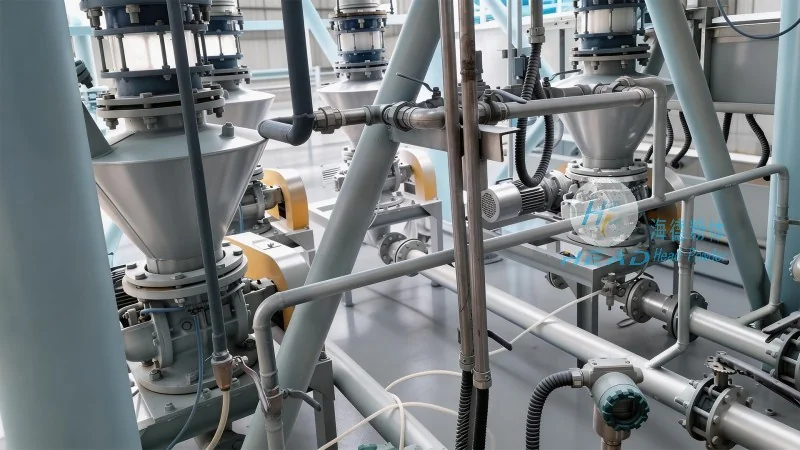
A negative pressure pneumatic conveying system operates by creating a vacuum or reduced pressure within a pipeline. This vacuum is generated by a fan or blower located at the receiving end of the system. The process begins with the material being placed in a hopper or storage container. As the system activates, the vacuum pulls the material from the hopper into the pipeline. The material is then carried through the pipeline by the airflow, which is typically a combination of air and the material particles. The system continues to transport the material until it reaches the receiving tank or destination point. The vacuum is maintained throughout the process to ensure consistent material flow and prevent backflow or contamination.
Key Features and Advantages of Negative Pressure Pneumatic Conveying Systems
One of the primary advantages of negative pressure systems is their ability to handle a wide range of materials, including powders, granules, and small particles. This versatility makes them suitable for various applications across different industries. Another significant feature is the effective dust control they provide. By operating under negative pressure, the system prevents dust from escaping into the environment, enhancing workplace safety and compliance with environmental regulations. Additionally, these systems are known for their relatively low maintenance requirements compared to other conveying methods. The design of the components, such as the fan and pipeline, is straightforward, reducing the need for frequent repairs and replacements.
Efficiency and Precision in Material Handling
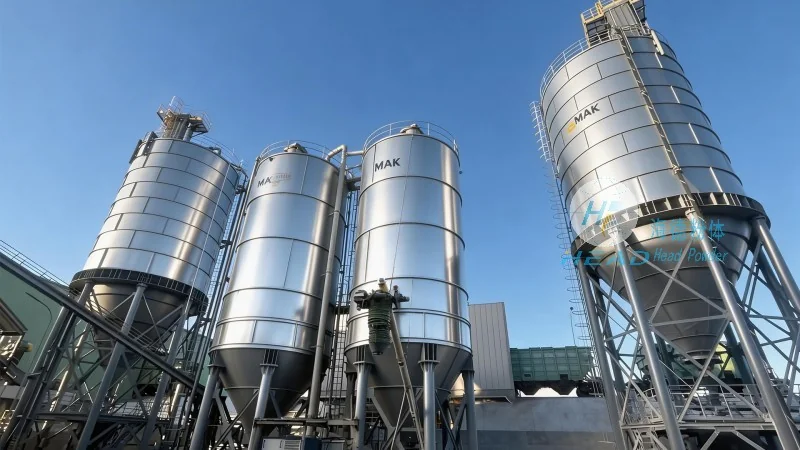
The efficiency of negative pressure pneumatic conveying systems is notable due to their ability to transport materials over long distances with minimal energy consumption. The vacuum created ensures a steady flow, which helps maintain product quality by reducing the risk of material degradation or segregation. This precision in delivery is crucial for applications where the material's characteristics must be preserved, such as in pharmaceutical or food processing industries. Furthermore, the system's ability to handle materials at different temperatures and moisture levels adds to its adaptability. This makes it suitable for transporting materials that are sensitive to environmental conditions, ensuring that the product remains in optimal condition throughout the conveying process.
Environmental and Safety Considerations
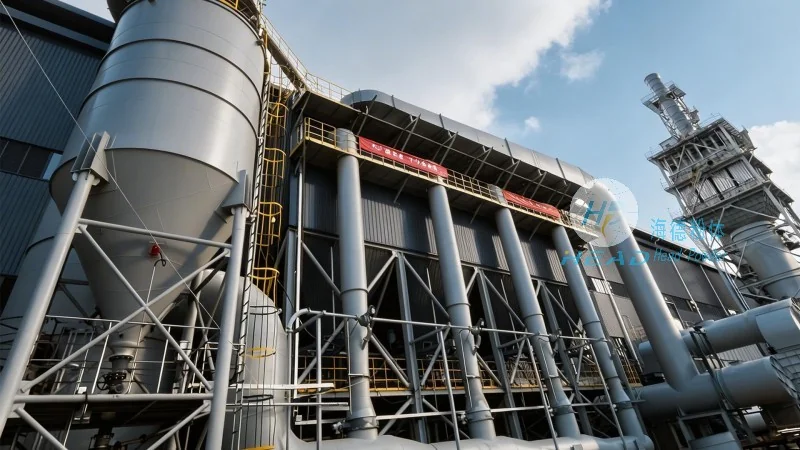
From an environmental perspective, negative pressure systems are highly effective in minimizing dust emissions. The sealed pipeline and vacuum operation prevent airborne particles from being released into the atmosphere, contributing to cleaner air and reduced health risks for workers. This feature is particularly important in industries where dust is a known hazard, such as in the chemical or mining sectors. Safety is also enhanced by the enclosed system design, which reduces the risk of accidental exposure to the material being handled. The system's operation is controlled by a series of valves and sensors, ensuring that the process is safe and reliable. This level of control helps prevent over-pressurization or vacuum-related issues, maintaining a stable and secure operation.
Applications and Industry Impact
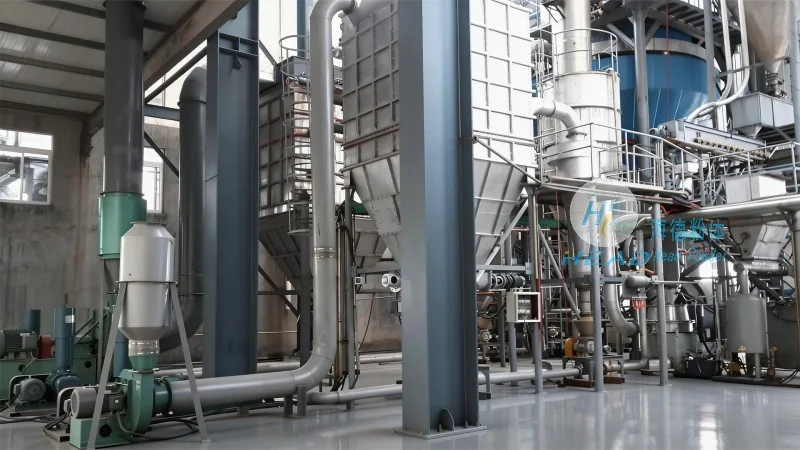
Negative pressure pneumatic conveying systems are widely used across various industries, including food processing, pharmaceuticals, chemicals, and minerals. In the food industry, for example, these systems are used to transport ingredients like flour, sugar, and spices, ensuring that the products remain clean and free from contamination. In the pharmaceutical sector, the systems are employed to handle active pharmaceutical ingredients (APIs) and other sensitive materials, where product purity is paramount. The chemical industry utilizes these systems for transporting powders and granules, such as fertilizers or pigments, where consistent quality and minimal dust are essential. The mining industry also benefits from these systems, as they efficiently convey ore and other bulk materials from processing plants to storage or transportation points.
Conclusion and Company Overview
Negative pressure pneumatic conveying systems represent a reliable and efficient solution for bulk material handling. Their ability to operate under negative pressure provides significant advantages in terms of dust control, product integrity, and operational efficiency. As a leading provider in this field, Shandong HeadPowder Engineering Co., Ltd. specializes in designing and manufacturing such systems tailored to the specific needs of various industries. With a focus on innovation and quality, the company ensures that its products meet the highest standards of performance and safety. Based in China, the company leverages its expertise to deliver solutions that enhance productivity and compliance in material handling operations.




