Understanding the working principle and characteristics of pneumatic conveying systems is crucial for industries dealing with bulk materials like aggregates. This article provides a detailed overview of how pneumatic conveying operates and its key features, particularly for applications involving stone or aggregate materials.
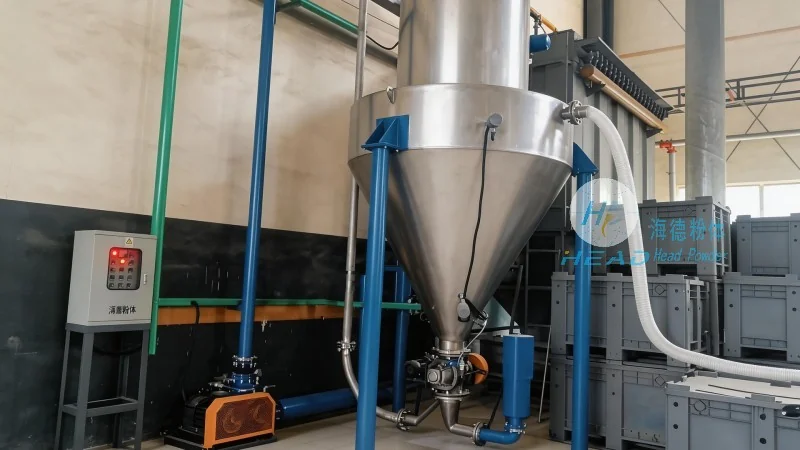
Working Principle of Pneumatic Conveying for Aggregate Materials
Pneumatic conveying systems utilize air or gas as the primary medium to transport solid materials. In the case of aggregate materials, such as crushed stone, sand, or gravel, the process typically involves a few key steps. First, the material is introduced into a hopper or feeder, where it is then mixed with a high-velocity stream of air. This air stream, often generated by a blower or fan, creates a low-pressure zone that draws the material particles into the conveying line. The material and air mixture travels through the pipeline, maintaining a consistent flow rate. At the discharge point, the air is separated from the material, often through a cyclone separator or a filter, allowing the aggregate to be deposited in the desired location. The air is then either recirculated or vented, depending on the system design. This method eliminates the need for mechanical components like belts or buckets, reducing maintenance and increasing operational efficiency.
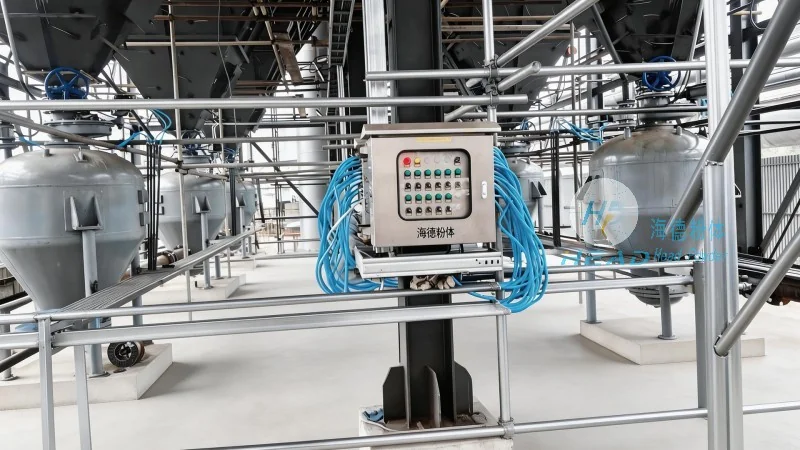
Key Characteristics of Pneumatic Conveying Systems for Aggregates
Several distinct characteristics make pneumatic conveying an attractive option for transporting aggregate materials. One of the most significant advantages is its high efficiency in moving large volumes of material over relatively long distances. The system can handle a wide range of particle sizes and shapes, including irregularly shaped aggregates, without the risk of blockages that might occur with other methods. Additionally, pneumatic conveying is known for its flexibility, as it can be easily adapted to different layouts and operational needs. The system can be configured for both dilute-phase and dense-phase conveying, offering versatility in handling various material properties. Environmental considerations are also a key characteristic, as pneumatic systems can be designed to minimize dust emissions and comply with air quality regulations. This is achieved through proper filtration and air treatment components. Another notable feature is the reduced need for physical space compared to traditional conveyor systems, as the conveying line can be installed in vertical or horizontal configurations without requiring extensive floor space. The system also offers better control over material flow, allowing for precise dosing and regulation of the aggregate supply to downstream processes.
Applications and Benefits in Industrial Settings
The application of pneumatic conveying for aggregate materials is widespread across various industries, including construction, mining, and manufacturing. In construction sites, for example, it is used to transport crushed stone from stockpiles to processing plants or to supply materials for concrete mixing. In mining operations, it facilitates the transport of ore and waste materials between different stages of processing. The benefits in these settings are evident: increased productivity due to faster material handling, reduced labor costs associated with manual loading and unloading, and improved safety by minimizing the need for workers to handle heavy or dusty materials. The system also contributes to better quality control, as the consistent flow of material ensures uniformity in downstream processes. Furthermore, the environmental benefits, such as reduced dust and noise pollution, make it a preferred choice for operations in urban or environmentally sensitive areas.
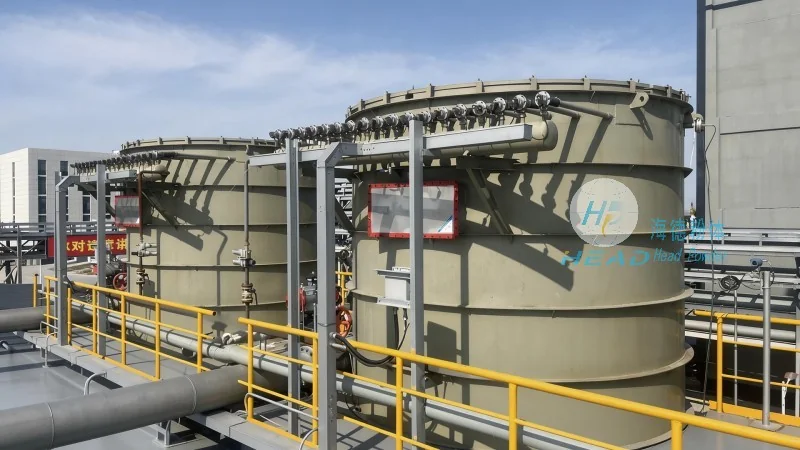
Company Information: Shandong HeadPowder Engineering Co., Ltd.
Shandong HeadPowder Engineering Co., Ltd., a leading provider of material handling solutions, specializes in designing and manufacturing pneumatic conveying systems tailored to the needs of aggregate industries. With a focus on innovation and quality, the company has developed advanced systems that optimize the transportation of stone and other bulk materials. Based in Shandong, China, HeadPowder Engineering leverages years of experience in the field to deliver reliable and efficient solutions for its clients. The company’s commitment to customer satisfaction and technical excellence has established it as a trusted partner in the material handling sector, particularly for applications involving aggregate materials. By combining expertise in engineering, manufacturing, and service, HeadPowder Engineering ensures that its pneumatic conveying systems meet the highest standards of performance and durability.




