When designing a pneumatic conveying system for transporting cement and mineral powders, several critical factors must be considered to ensure efficiency, reliability, and cost-effectiveness. These systems are essential in industrial applications where bulk powder handling is required, and the design must address specific challenges associated with the properties of cement and other mineral powders. This article outlines key design considerations that help in developing effective and durable pneumatic conveying solutions.
Understanding the Material Characteristics
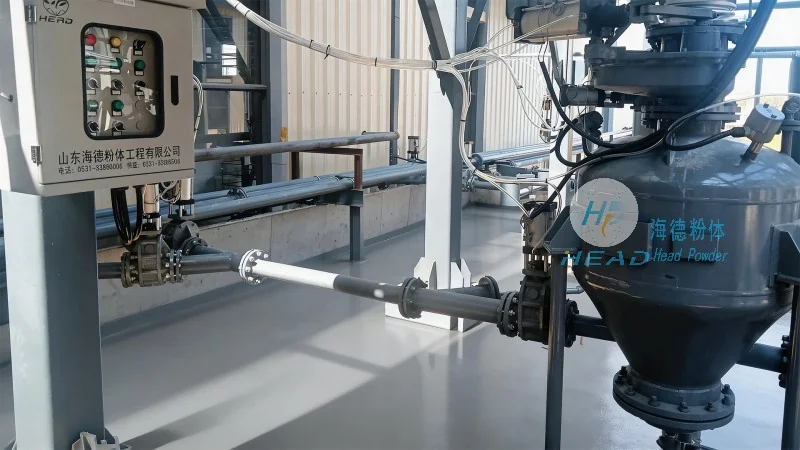
The first step in designing a pneumatic conveying system is to thoroughly understand the characteristics of the material being transported. For cement and mineral powders, properties such as particle size distribution, density, moisture content, and flowability are crucial. These factors influence the selection of the conveying method (e.g., dilute phase vs. dense phase), the required air velocity, and the system's overall pressure and power requirements. For instance, fine powders may require higher air velocities to prevent clogging, while coarser particles might benefit from lower velocities to reduce energy consumption. The moisture content is also a key factor, as excessive moisture can lead to agglomeration and blockages in the system. By accurately characterizing the material, engineers can select the appropriate equipment and design parameters that optimize performance and minimize operational issues.
System Configuration and Components
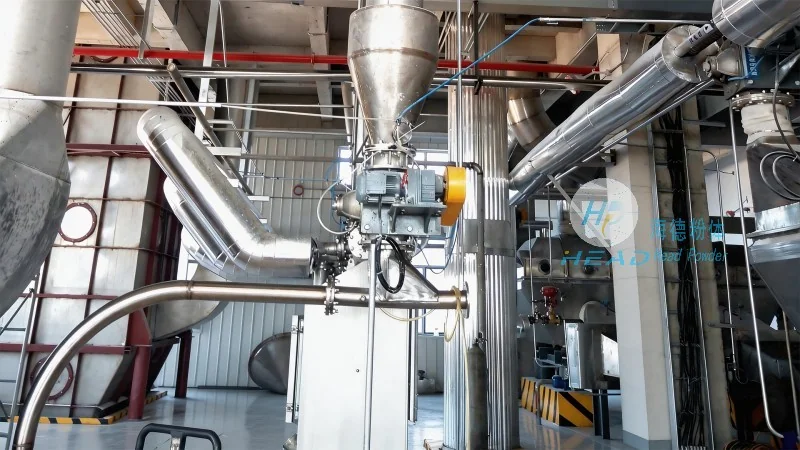
A pneumatic conveying system typically consists of several key components, including the material feed hopper, the conveying line (pipe), the air supply system (blower or compressor), and the dust collection or separation equipment. The configuration of these components is critical to the system's performance. The feed hopper must be designed to provide a consistent flow of material into the conveying line, preventing surges or blockages. The conveying line's diameter and length are determined based on the material's properties and the required conveying distance. For long-distance or high-capacity applications, larger diameter pipes may be used to reduce pressure drop and energy consumption. The air supply system must be capable of delivering the necessary air volume and pressure to move the material through the line. Blowers are commonly used for dilute phase systems, while compressors are preferred for dense phase systems. The choice of blower or compressor depends on the system's pressure requirements and the material's flow characteristics. Additionally, the system must include dust collection equipment to capture any particles that escape the conveying line, ensuring compliance with environmental regulations and maintaining air quality in the workplace.
Designing for Efficiency and Reliability
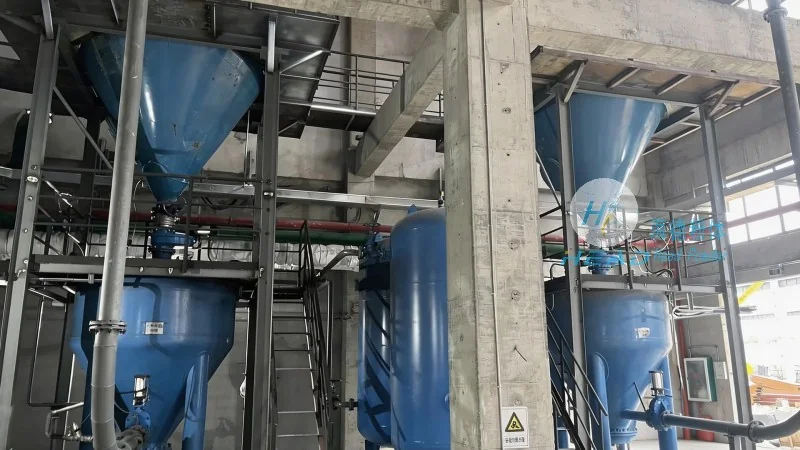
Efficiency and reliability are paramount in pneumatic conveying systems for cement and mineral powders. Designing the system to minimize energy consumption while ensuring consistent material flow is a key objective. This involves optimizing the air velocity and pressure to match the material's properties, as well as selecting appropriate pipe diameters and lengths. For example, using a larger pipe diameter can reduce the pressure drop per unit length, leading to lower energy costs. However, this must be balanced against the need to maintain sufficient air velocity to prevent clogging. The system must also be designed to handle variations in material feed rates and moisture content, ensuring stable operation under different conditions. Regular maintenance and monitoring of the system components are essential to prevent breakdowns and ensure long-term reliability. Components such as check valves, filters, and airlocks must be properly sized and installed to prevent backflow, clogging, and other issues that could disrupt the conveying process.
Addressing Common Challenges and Solutions
Several common challenges arise in the operation of pneumatic conveying systems for cement and mineral powders, and effective design solutions are necessary to mitigate these issues. One of the primary challenges is clogging, which can occur due to the agglomeration of fine particles or the accumulation of moisture. To address this, the system may include features such as agitators or vibrators in the feed hopper to break up clumps and ensure a consistent feed. Additionally, the use of heated air or desiccant systems can help reduce moisture content and prevent agglomeration. Another challenge is the wear and tear on system components, particularly the conveying line and blower. High-pressure systems or abrasive materials can cause significant wear, requiring the use of durable materials such as stainless steel or special coatings. Regular inspection and replacement of worn parts are necessary to maintain system performance and extend the lifespan of the equipment. Finally, the system must be designed to handle variations in material properties, such as changes in particle size or moisture content over time. This may involve incorporating adjustable components or monitoring systems that allow for real-time adjustments to maintain optimal performance.
Conclusion and Company Overview
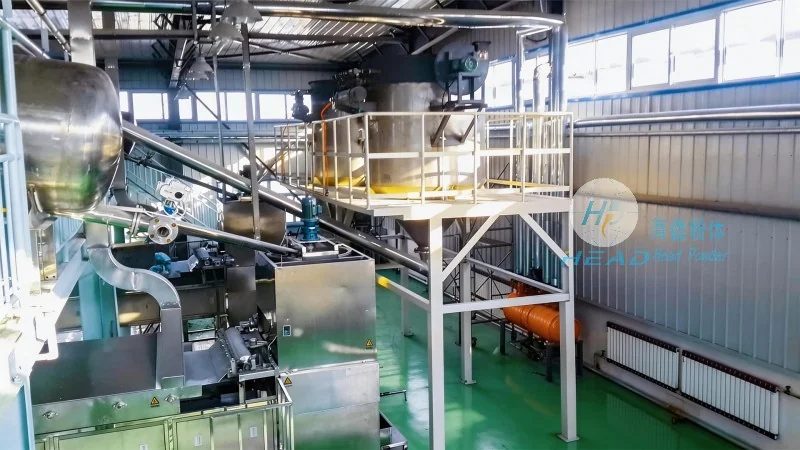
Designing a pneumatic conveying system for cement and mineral powders requires a comprehensive understanding of material properties, system components, and operational considerations. By addressing key design factors such as material characterization, system configuration, efficiency, and reliability, engineers can develop effective solutions that meet the specific needs of industrial applications. Shandong HeadPowder Engineering Co., Ltd., a leading provider of engineering solutions for bulk material handling, specializes in designing and implementing pneumatic conveying systems tailored to the unique requirements of cement and mineral powders. With a focus on efficiency, reliability, and durability, the company's expertise ensures that clients receive systems that optimize performance while minimizing operational costs. Based in Shandong, China, HeadPowder Engineering Co., Ltd. leverages advanced technology and industry knowledge to deliver high-quality solutions that meet the demands of modern industrial operations.




