For manufacturers of lithium-ion battery anode materials, the efficient and reliable handling of powders is a critical aspect of production. Pneumatic conveying systems have emerged as a preferred method for transporting these materials, offering advantages in terms of safety, hygiene, and process control. This article explores the working principle and key characteristics of pneumatic conveying for lithium-ion battery anode material powders, highlighting the technology's role in modern battery production.
Introduction to Pneumatic Conveying Systems
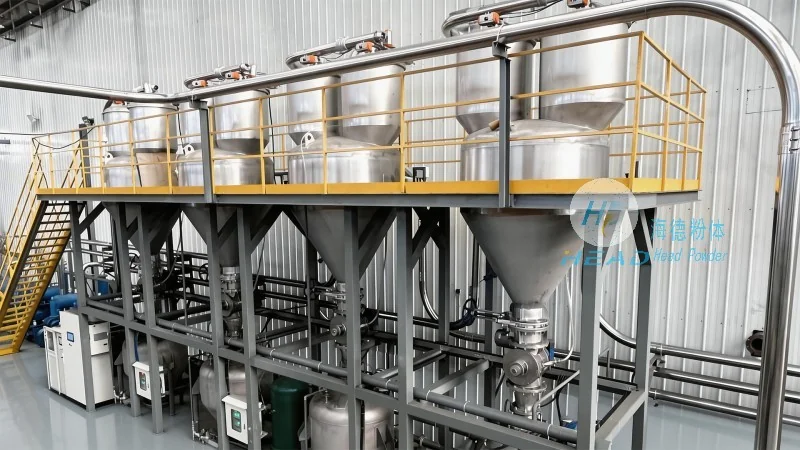
Pneumatic conveying is a technology that uses compressed air or other gases to transport bulk materials, such as powders, through a pipeline. In the context of lithium-ion battery anode materials, this method is particularly effective due to the need for precise handling of materials like graphite, silicon, and other carbon-based compounds. The system typically consists of a hopper, a conveying line, and a receiver, with the material being drawn into the pipeline by the air flow.
Working Principle of Pneumatic Conveying for Anode Powders
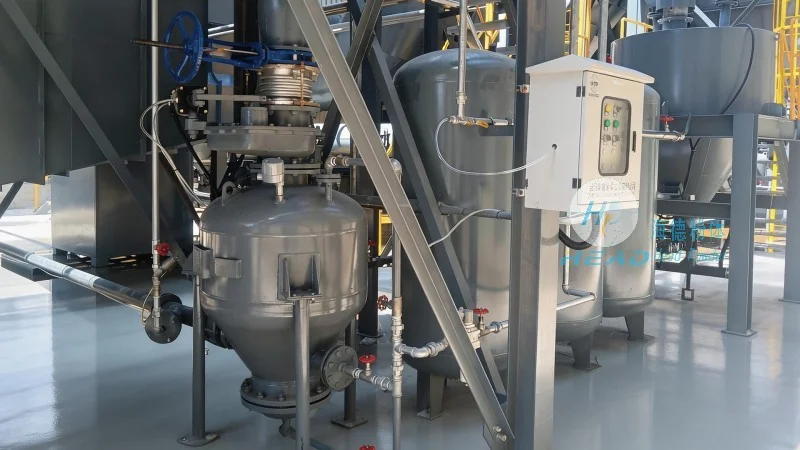
The working principle of pneumatic conveying for lithium-ion battery anode powders involves several key steps. First, the anode material powder is loaded into a hopper equipped with a feeding device. Compressed air is then introduced into the conveying line, creating a flow that pulls the powder particles into the pipeline. The air velocity is carefully controlled to ensure that the powder is transported without causing excessive wear or degradation. The system may use either dilute-phase or dense-phase conveying, depending on the material properties and the required transport distance. Dilute-phase systems are suitable for short distances and low to medium material loads, while dense-phase systems are used for longer distances and higher material concentrations, providing better control over the material's velocity and reducing the risk of particle degradation.
Key Characteristics of Pneumatic Conveying for Anode Materials
Several characteristics make pneumatic conveying an ideal choice for handling lithium-ion battery anode powders. Firstly, it offers a closed system, which helps maintain the purity of the materials and prevents contamination from external sources. This is crucial in battery production, where even minor impurities can affect the performance and lifespan of the final product. Secondly, the technology provides excellent process control, allowing manufacturers to adjust the air flow and pressure to optimize the conveying rate and material quality. Thirdly, pneumatic conveying is a relatively low-cost solution compared to other material handling methods, such as belt conveyors or bucket elevators, especially for high-volume production lines. Additionally, the system is compact and can be integrated into existing production facilities, reducing the need for extensive infrastructure modifications.
Advantages and Considerations for Pneumatic Conveying in Battery Production
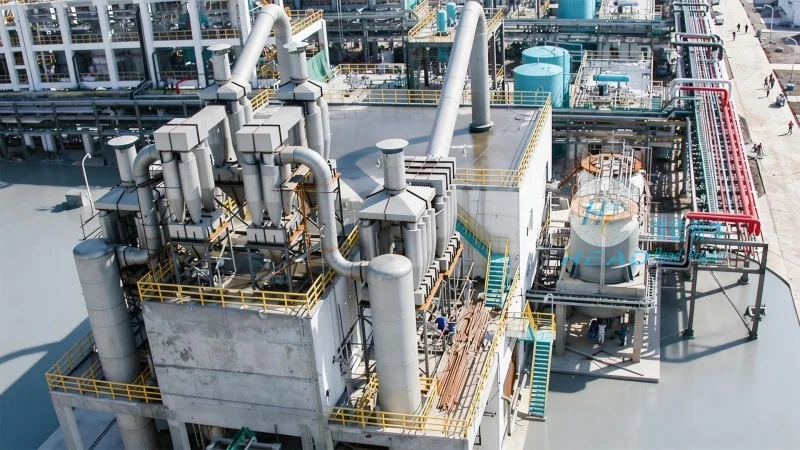
When implementing pneumatic conveying systems for lithium-ion battery anode materials, manufacturers must consider several factors to ensure optimal performance. The choice between dilute-phase and dense-phase conveying depends on the specific material properties, such as particle size, density, and moisture content. For example, fine powders like graphite may require dense-phase conveying to prevent segregation and loss of material. The system's design also needs to account for the potential for particle agglomeration, which can affect the conveying efficiency. Regular maintenance of the conveying line, including cleaning and inspection of components like filters and valves, is essential to maintain system reliability and prevent downtime. Furthermore, the use of high-quality materials for the conveying line, such as stainless steel or corrosion-resistant alloys, is recommended to handle the abrasive nature of battery anode powders and ensure long-term durability.
Conclusion and Company Overview
Pneumatic conveying systems play a vital role in the efficient and safe handling of lithium-ion battery anode material powders. By understanding the working principle and key characteristics of this technology, manufacturers can optimize their production processes and improve product quality. As a leading provider in the field, Shandong HeadPowder Engineering Co., Ltd. specializes in the design and implementation of customized pneumatic conveying solutions tailored to the specific needs of battery manufacturers. With a focus on innovation and quality, HeadPowder ensures that its systems meet the highest standards of performance and reliability, supporting the growth of the lithium-ion battery industry. Based in Shandong, China, HeadPowder leverages its expertise to deliver advanced material handling solutions that enhance the efficiency and sustainability of battery production.




