Desulfurization sodium bicarbonate is a critical chemical in industrial processes, particularly in flue gas desulfurization systems. The efficient handling of this powder is essential for maintaining system performance and operational safety. Pneumatic conveying offers a reliable method for transporting desulfurization sodium bicarbonate powder, and understanding its working principle and key characteristics is vital for optimizing industrial applications. This article explores the technical aspects of pneumatic conveying for desulfurization sodium bicarbonate powder, highlighting the expertise of Shandong HeadPowder Engineering Co., Ltd., a leading provider of such solutions in China.
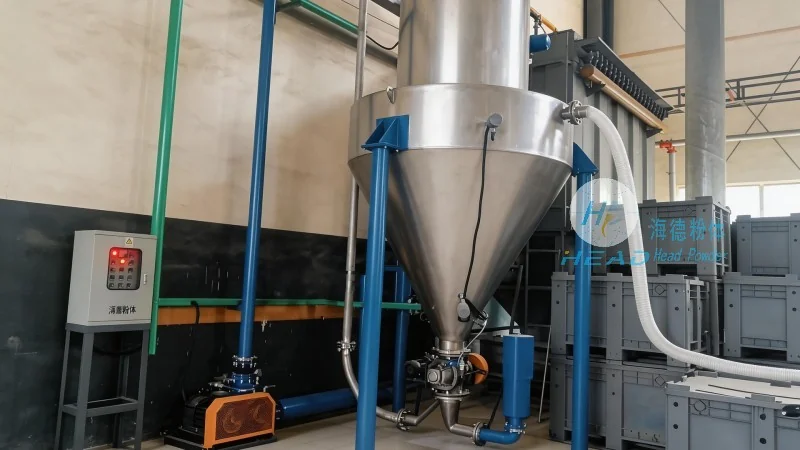
Working Principle of Desulfurization Sodium Bicarbonate Powder Pneumatic Conveying
Pneumatic conveying systems operate on the principle of using air or gas to transport solid particles through a pipeline. For desulfurization sodium bicarbonate powder, which typically consists of fine particles with specific physical properties, the system must be designed to handle the material's flow characteristics effectively. The core components of a pneumatic conveying system for this application include a material feeder, conveying pipeline, air compressor or blower, and a separation and collection unit. The process begins with the powder being fed into the system, often using a controlled feeder such as a star valve or screw feeder to ensure a consistent flow rate. The feeder then introduces the powder into the conveying pipeline, where it is mixed with high-velocity air or gas. This air-powder mixture travels through the pipeline to the destination point, such as a storage silo or processing unit. At the receiving end, a separator, commonly a cyclone or bag filter, separates the powder from the air stream, allowing the powder to be collected while the air is either recirculated or discharged. The entire system relies on the balance of air velocity, particle size, and system pressure to achieve efficient and reliable transport. For desulfurization sodium bicarbonate powder, which may have varying particle sizes and moisture content, the system design must account for these factors to prevent issues like blockages or uneven flow. Shandong HeadPowder Engineering Co., Ltd. specializes in customizing pneumatic conveying systems to meet the specific requirements of desulfurization applications, ensuring optimal performance and material handling efficiency.
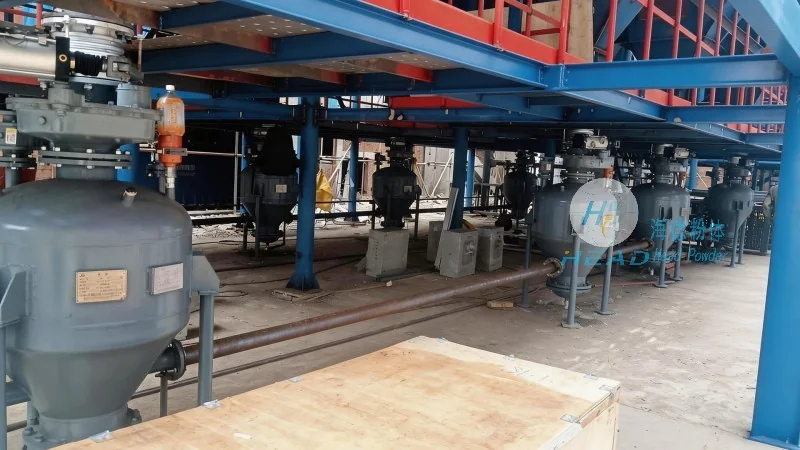
Key Characteristics of Desulfurization Sodium Bicarbonate Powder Pneumatic Conveying
The pneumatic conveying of desulfurization sodium bicarbonate powder exhibits several distinct characteristics that make it an attractive solution for industrial operations. Firstly, the system provides a fully enclosed and dust-free environment, which is crucial for maintaining workplace safety and compliance with environmental regulations. Unlike traditional bulk handling methods, pneumatic conveying minimizes dust emissions, reducing the risk of respiratory issues for workers and preventing contamination of the powder. Secondly, the technology offers high efficiency in material transport, with the ability to move large quantities of powder over long distances with minimal energy consumption compared to other methods like bucket elevators or belt conveyors. The system's flexibility allows for multiple delivery points, enabling the powder to be distributed to various processing units or storage locations as needed. Additionally, pneumatic conveying systems are relatively easy to install and maintain, with modular components that can be adjusted or replaced as required. This reduces downtime and operational costs, making the system cost-effective in the long run. Another important characteristic is the ability to handle powders with varying properties, including those that are hygroscopic or prone to agglomeration. The controlled air flow and pressure in the system help to break up agglomerates and maintain the powder's flowability, ensuring consistent performance. Shandong HeadPowder Engineering Co., Ltd. emphasizes these characteristics in their design and implementation of pneumatic conveying systems, focusing on durability, reliability, and user-friendly operation. Their expertise in material handling ensures that the systems they provide are tailored to the unique challenges of desulfurization sodium bicarbonate powder, delivering superior performance and longevity.
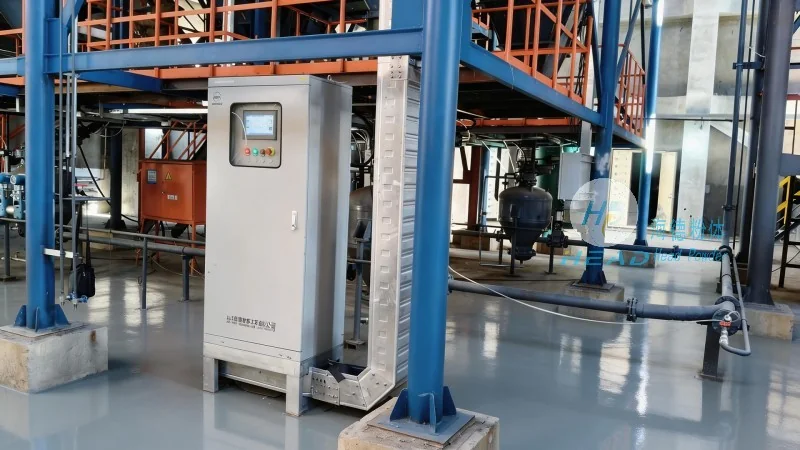
Application and Advantages in Industrial Settings
In industrial settings, the pneumatic conveying of desulfurization sodium bicarbonate powder is widely used in power plants, chemical manufacturing facilities, and other industries where flue gas desulfurization is required. The system's ability to handle large volumes of powder efficiently supports the continuous operation of desulfurization units, ensuring that the chemical is available as needed for emission control. The enclosed nature of the system also contributes to better environmental management, as it prevents the release of dust into the atmosphere and reduces the need for additional dust control measures. Furthermore, the flexibility of the system allows for integration with existing infrastructure, minimizing the need for major construction or modifications to the facility. This makes it a practical solution for both new installations and retrofitting existing desulfurization systems. The advantages of pneumatic conveying, as highlighted by Shandong HeadPowder Engineering Co., Ltd., extend beyond just material transport. The system's reliability and low maintenance requirements contribute to overall operational efficiency, while the enclosed design enhances safety and compliance. By leveraging the expertise of a professional manufacturer like HeadPowder, industries can benefit from a well-designed pneumatic conveying system that meets their specific needs and enhances their operational capabilities. The focus on quality and customization ensures that the system not only performs effectively but also aligns with the long-term goals of the organization, providing a sustainable solution for handling desulfurization sodium bicarbonate powder.




