

Working Principle and Features of Silicomanganese Pneumatic Conveying Systems
For industrial applications involving the transport of silicomanganese, a pneumatic conveying system offers an efficient and reliable solution. This article delves into the working principle and key features of such systems, highlighting their operational efficiency and design advantages.
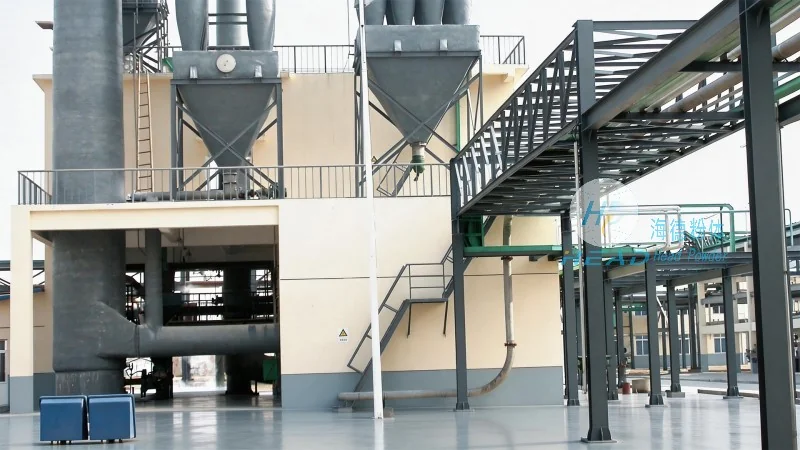
Understanding the Working Principle of Silicomanganese Pneumatic Conveying Systems
The core of a silicomanganese pneumatic conveying system lies in its ability to transport bulk materials through a pressurized or vacuum environment using air or other gases. The process typically involves several key components working in tandem to ensure smooth material movement. At the heart of the system is the material hopper, where silicomanganese is stored and prepared for transport. From the hopper, the material is fed into a conveying line via a feeder, which controls the flow rate to maintain consistent operation. The conveying line itself is a pipeline that can be either horizontal or vertical, depending on the layout of the facility. Within the line, the material is suspended and propelled by the flow of air or gas. This air-gas flow is generated by a blower or compressor, which creates the necessary pressure differential to move the material. The system may also include a filter or separator at the end of the line to capture any fine particles and return them to the system, ensuring minimal loss and maintaining air quality. The entire process is designed to be continuous and automated, reducing the need for manual handling and increasing operational safety.
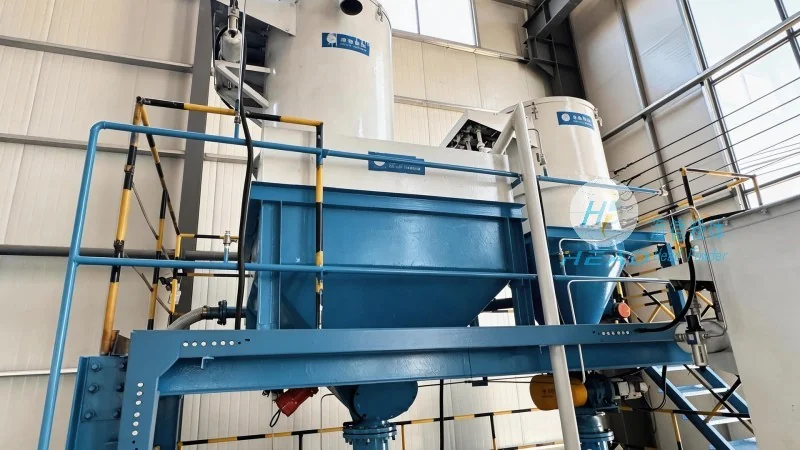
Key Features of Silicomanganese Pneumatic Conveying Systems
Several distinct features make silicomanganese pneumatic conveying systems particularly suitable for industrial use. Firstly, the system provides a dust-free and enclosed environment, which is crucial for maintaining air quality and preventing contamination in sensitive processes. This enclosed design also minimizes the risk of material spillage and exposure to external elements. Secondly, the system offers high efficiency in material transport, with the ability to move large quantities of silicomanganese over significant distances with minimal energy consumption. The design allows for precise control over the flow rate and pressure, ensuring that the material is transported at optimal speeds without causing degradation or degradation of the product. Thirdly, the system is highly flexible in terms of layout and integration with existing industrial infrastructure. It can be customized to fit the specific requirements of a facility, including vertical or horizontal configurations, and can be integrated with other processing equipment such as storage silos or reactors. Additionally, the system is designed for durability and low maintenance, with robust components that can withstand the abrasive nature of silicomanganese and the demanding conditions of industrial operations. The use of high-quality materials in the construction of the conveying line and components ensures long-term reliability and reduces the need for frequent repairs.
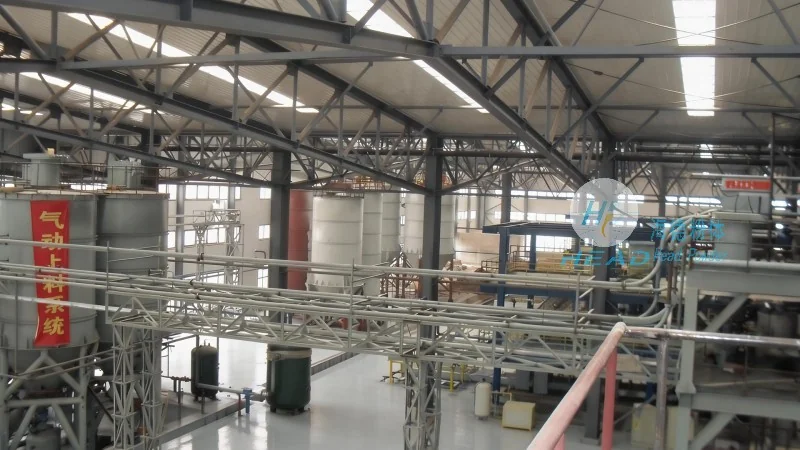
Operational Advantages and Applications
The operational advantages of silicomanganese pneumatic conveying systems extend to various industrial applications. In the production of silicomanganese, which is a key alloying element in steelmaking, the system facilitates the efficient transport of raw materials from storage to processing units. This ensures a steady supply of silicomanganese, which is critical for maintaining production schedules and meeting quality standards. The system also supports the integration of silicomanganese into other manufacturing processes, such as the production of ferroalloys or specialized steel grades. The enclosed and controlled environment of the system helps maintain the purity of the material, which is essential for achieving the desired chemical composition in the final products. Furthermore, the system's ability to handle large volumes of material makes it suitable for high-throughput production lines, where consistent and reliable material transport is essential for meeting market demands. The flexibility of the system also allows for easy adaptation to changes in production requirements, such as scaling up or down the production capacity, without significant modifications to the existing infrastructure.
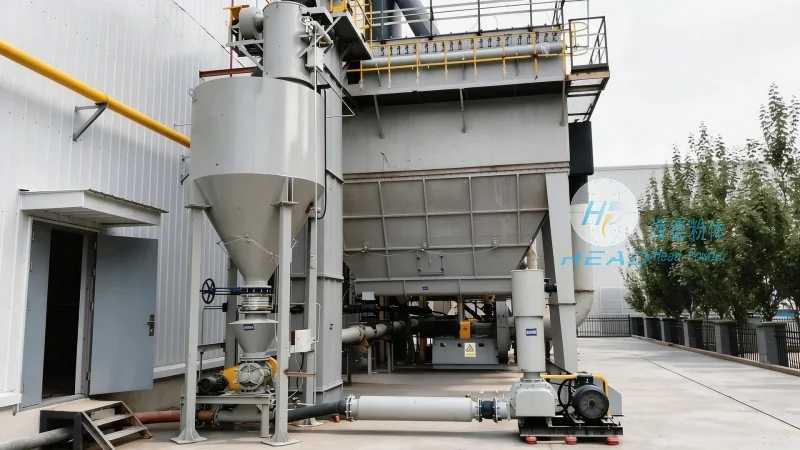
Conclusion and Company Information
In conclusion, silicomanganese pneumatic conveying systems are a vital component in industrial operations involving the transport of silicomanganese. Their working principle, based on the use of air or gas to move material through a pressurized or vacuum environment, offers significant advantages in terms of efficiency, safety, and flexibility. The key features of these systems, including their enclosed design, high efficiency, and durability, make them an ideal choice for various industrial applications. As a leading provider of engineering solutions for material handling, Shandong HeadPowder Engineering Co., Ltd. specializes in designing and manufacturing customized pneumatic conveying systems tailored to the specific needs of clients. With a focus on quality and reliability, the company ensures that its systems meet the highest standards of performance and safety, supporting the efficient and sustainable operation of industrial facilities. Located in Shandong, China, HeadPowder has established itself as a trusted partner in the industry, delivering innovative solutions that enhance productivity and reduce operational costs for its clients.