

Working Principle and Features of Cellulose Pneumatic Conveying Systems
Cellulose pneumatic conveying systems are advanced industrial equipment designed for the efficient and safe transportation of cellulose-based materials. These systems utilize air as the primary medium to move bulk materials, offering a reliable solution for various applications in the pulp and paper, chemical, and food processing industries. The following article provides a detailed exploration of the working principle and key features of such systems, along with essential company information for potential clients.
Working Principle of Cellulose Pneumatic Conveying Systems
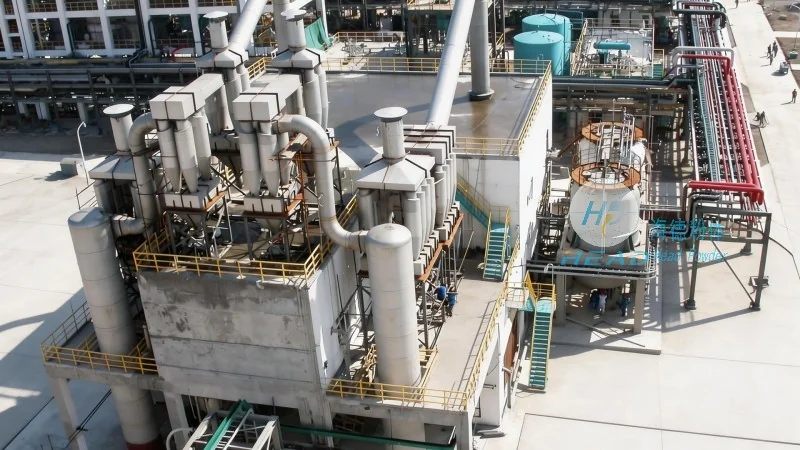
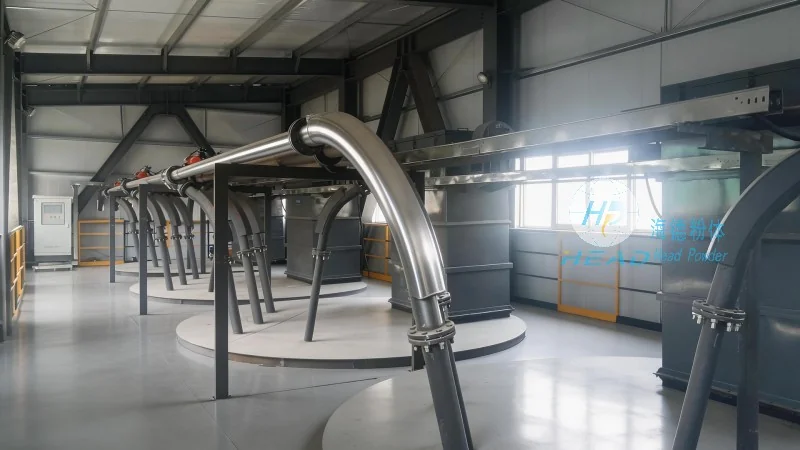
The core working principle of cellulose pneumatic conveying systems revolves around the use of compressed air to create a flow that propels the material through a pipeline. The process typically begins with the material being fed into a hopper or feeder, where it is then introduced into a duct or pipeline. Compressed air, generated by a blower or fan, is introduced into the system, creating a pressure differential that draws the material into the air stream. As the air and material mixture travels through the pipeline, the air's kinetic energy and pressure force the material along the path, ensuring smooth and continuous transport. The system may include components such as a rotary valve, air lock, and filter to control the flow and maintain system efficiency. The design of the pipeline, including bends and fittings, is crucial to minimize pressure loss and ensure the material reaches its destination without degradation or blockage.
Key Features of Cellulose Pneumatic Conveying Systems
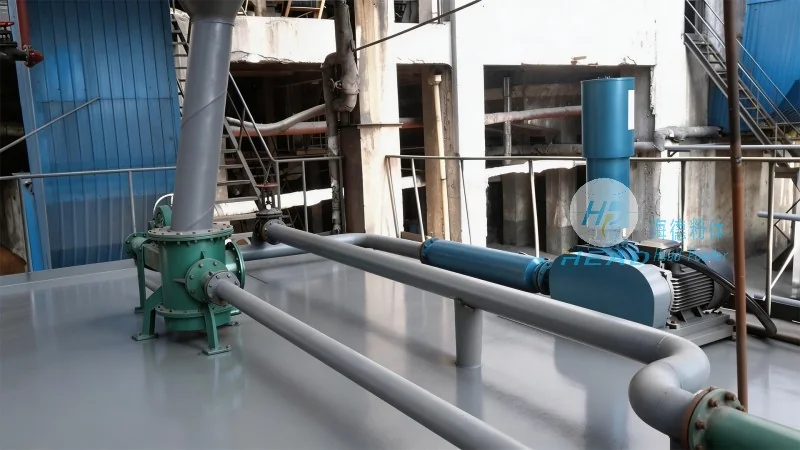
Cellulose pneumatic conveying systems offer several distinct advantages that make them ideal for handling cellulose materials. Firstly, they provide a dust-free and hygienic method of material transport, which is particularly important for food and pharmaceutical applications where contamination control is critical. The enclosed system prevents dust emissions, enhancing workplace safety and compliance with environmental regulations. Secondly, these systems are highly efficient in terms of energy consumption and operational costs. By using air as the conveying medium, they eliminate the need for mechanical components like belts or chains, reducing maintenance requirements and extending the lifespan of the equipment. Thirdly, the flexibility of pneumatic conveying allows for the transportation of materials over long distances and through complex layouts, including vertical lifts and multiple branches. This adaptability makes the systems suitable for diverse industrial settings. Additionally, the systems are designed to handle a wide range of material properties, including varying particle sizes, moisture content, and bulk densities, ensuring consistent performance. The ability to integrate with other processing equipment, such as mixers and dryers, further enhances the overall efficiency of production lines.
Company Information
For those seeking reliable solutions for cellulose pneumatic conveying systems, Shandong HeadPowder Engineering Co., Ltd. is a leading provider in the industry. HeadPowder specializes in the design, manufacturing, and installation of high-quality pneumatic conveying equipment tailored to meet the specific needs of clients. With a strong commitment to quality and innovation, the company has established itself as a trusted partner for businesses in the pulp and paper, chemical, and food sectors. HeadPowder's products are engineered to deliver superior performance, durability, and efficiency, ensuring that clients achieve optimal results in their material handling operations. The company's headquarters is located in Shandong, China, where it leverages advanced technology and skilled expertise to deliver cutting-edge solutions. By choosing HeadPowder, clients can expect customized systems that enhance productivity, reduce operational costs, and ensure compliance with industry standards.