Chip material conveying systems are integral to the efficient processing of wood chips in various industrial applications, such as pulp and paper manufacturing, biomass energy production, and wood processing facilities. Understanding the fundamentals of chip material conveying and its design principles is crucial for optimizing operational performance, ensuring safety, and maximizing productivity in these settings.
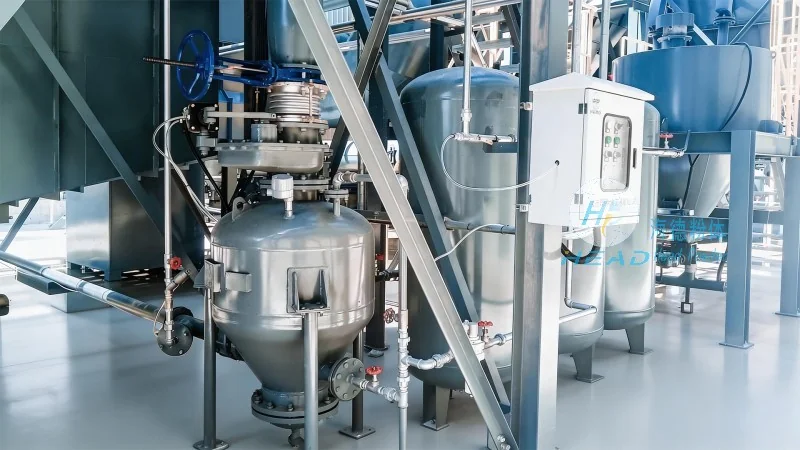
What is Chip Material Conveying?
Chip material conveying refers to the process of transporting wood chips or other similar bulk materials from one location to another within a processing facility. This can involve horizontal, vertical, or inclined movement of the chips, depending on the layout and requirements of the plant. The primary goal of chip conveying is to move raw material efficiently from storage, preparation, or processing stages to the next step in the production line, such as a chipper, grinder, or boiler. Effective conveying systems minimize material handling time, reduce labor costs, and prevent material degradation due to prolonged exposure or improper handling.
The Core Components of a Chip Conveying System
At the heart of any chip material conveying system are several key components that work in tandem to ensure smooth and reliable operation. These components typically include: conveying equipment, such as belt conveyors, screw conveyors, or pneumatic conveyors; feeding mechanisms that control the flow of chips into the conveyor; control systems that regulate speed, pressure, and other operational parameters; and support structures that provide stability and durability. Each component must be carefully selected and integrated to meet the specific demands of the wood chip material being handled, including its size, moisture content, and density.
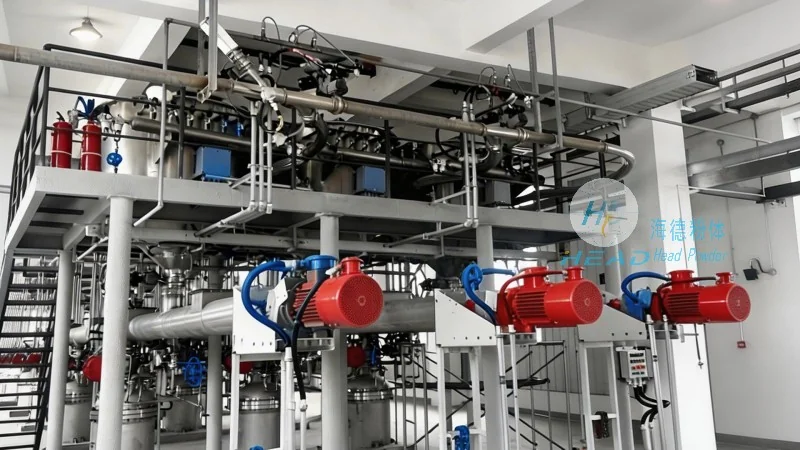
Design Principles for Optimal Chip Conveying
The design of a chip material conveying system is governed by several critical principles that ensure efficiency, reliability, and safety. These principles include: material compatibility, where the conveyor and its components are designed to withstand the abrasive and moisture-rich nature of wood chips; mechanical efficiency, which focuses on minimizing energy consumption and maximizing throughput; space optimization, as facilities often have limited floor space, requiring compact and flexible conveying solutions; and maintenance accessibility, ensuring that components can be easily inspected, cleaned, or repaired without disrupting production.
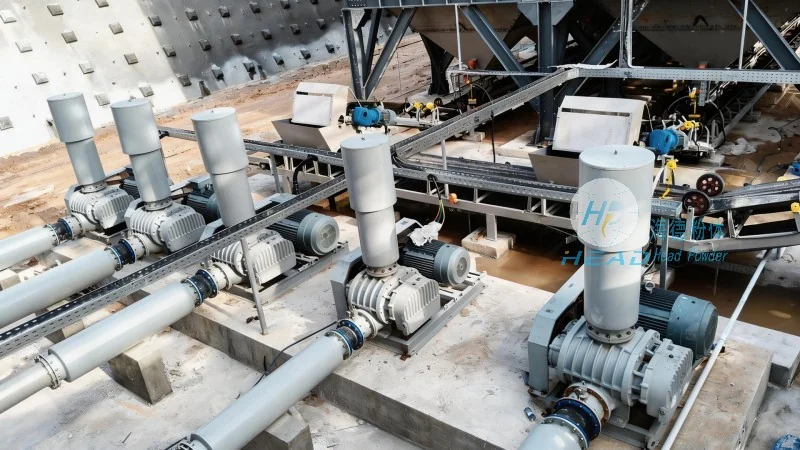
Key Design Considerations for Different Conveying Methods
Various conveying methods are employed in chip material handling, each with its own set of design considerations. For example, belt conveyors are commonly used for horizontal or slight incline conveying due to their ability to handle large volumes of material with minimal friction. The design of belt conveyors involves selecting the appropriate belt material (e.g., rubber or PVC) and pulley size to prevent slippage and ensure consistent chip movement. Screw conveyors, on the other hand, are ideal for vertical or inclined conveying and are particularly effective in handling dry or low-moisture chips. The pitch and diameter of the screw, as well as the speed of rotation, are critical design factors that affect the conveying capacity and material flow. Pneumatic conveyors, or air-based systems, are used for fine or dusty chips and rely on air pressure to move material through pipes. The design of pneumatic systems involves selecting the correct air pressure, pipe diameter, and material of construction to prevent clogging and ensure consistent flow.
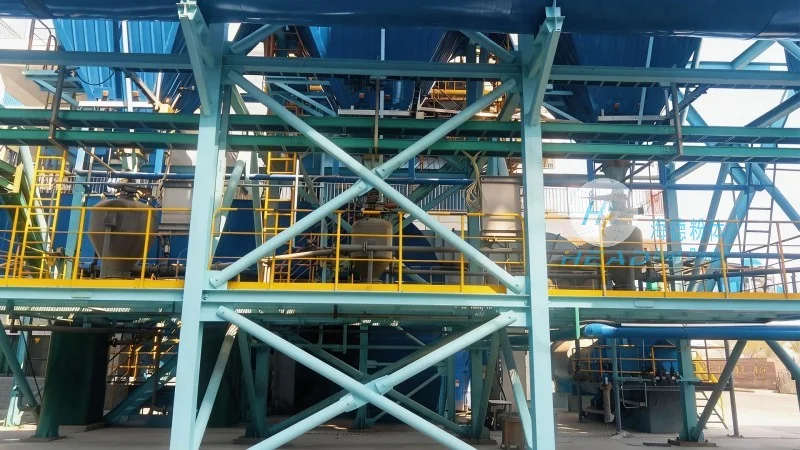
Ensuring Safety and Reliability in Chip Conveying
As with any industrial material handling system, safety and reliability are paramount in chip material conveying. Design principles must incorporate features that mitigate risks, such as overload protection to prevent equipment damage from excessive material flow; emergency stop mechanisms for quick shutdown in case of malfunctions; and lubrication systems to reduce wear and tear on moving parts. Additionally, regular maintenance and inspection schedules are essential to ensure the longevity and performance of the conveying system. Companies like Shandong HeadPowder Engineering Co., Ltd. specialize in designing and manufacturing custom chip conveying solutions that adhere to these safety and reliability standards, providing clients with systems that are both efficient and durable.
Customization and Integration with Existing Facilities
One of the key advantages of working with specialized engineering firms like Shandong HeadPowder Engineering Co., Ltd. is the ability to customize chip conveying systems to fit the unique needs of a facility. Whether integrating a new conveyor into an existing production line or designing a complete system from the ground up, these companies consider factors such as facility layout, material flow, and operational requirements to create a tailored solution. The design process often involves collaboration with the client to ensure that the conveying system aligns with their production goals and budget constraints. By leveraging their expertise in material handling and industrial engineering, Shandong HeadPowder Engineering Co., Ltd. helps clients optimize their chip processing operations and improve overall productivity.




