

Working Principle and Features of Potassium Carbonate Pneumatic Conveying Systems
For industrial applications involving the efficient transport of potassium carbonate, pneumatic conveying systems offer a reliable and efficient solution. This article explores the working principle and key features of such systems, providing insights into their design, operation, and benefits.
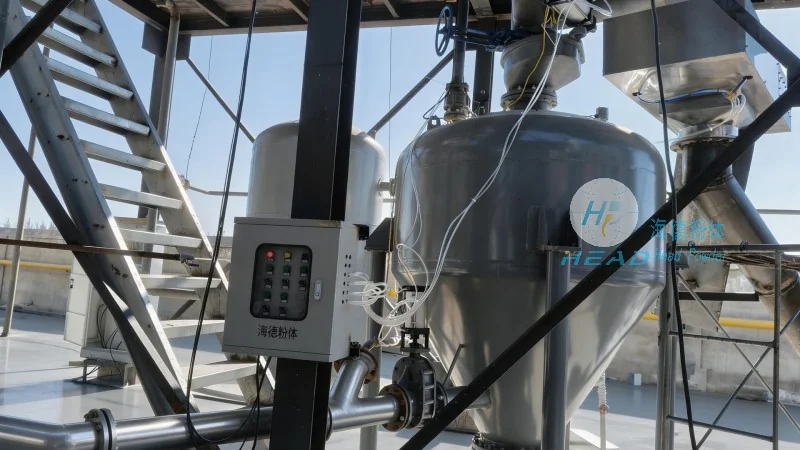
Working Principle of Potassium Carbonate Pneumatic Conveying Lines
Potassium carbonate pneumatic conveying systems operate by utilizing air or gas as the conveying medium to transport solid materials like potassium carbonate. The process typically involves a series of components, including a hopper, a feeder, a conveying line, and a receiver. The material is first loaded into the hopper, where it is then fed into the conveying line through a feeder. The feeder controls the flow rate of the material, ensuring consistent and controlled transport. Air is then introduced into the conveying line, creating a flow that carries the potassium carbonate particles through the system. The air velocity is carefully managed to maintain the material in a suspended state, preventing blockages and ensuring smooth transport to the receiver. The receiver collects the conveyed material, completing the process. This method eliminates the need for mechanical components like belts or chains, reducing maintenance requirements and enhancing operational safety.
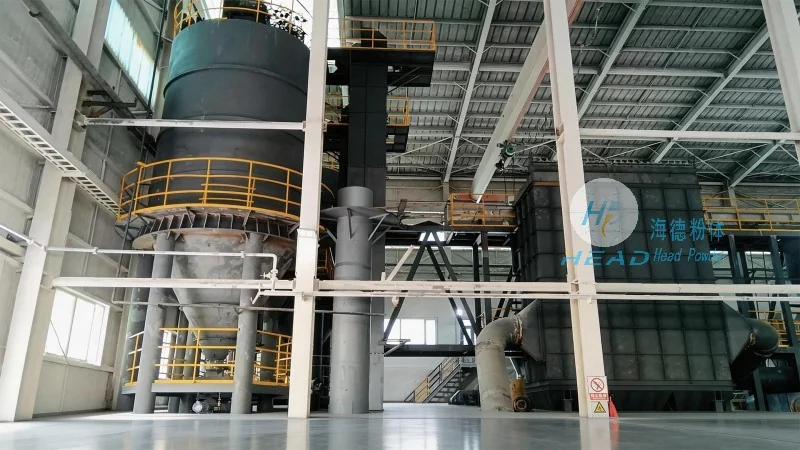
Key Features of Potassium Carbonate Pneumatic Conveying Systems
One of the primary advantages of potassium carbonate pneumatic conveying systems is their ability to handle fine or dusty materials without the risk of clogging or degradation. The system's design minimizes material contact with surfaces, preserving the quality of the potassium carbonate. Additionally, these systems are highly flexible, allowing for changes in conveying distance or material flow rates without significant modifications. They also offer improved hygiene and contamination control, which is crucial for applications in food processing or pharmaceutical industries. The use of air as the conveying medium reduces the risk of material contamination and simplifies cleaning procedures. Furthermore, pneumatic conveying systems are energy-efficient compared to traditional methods, as they require less power to operate and can recover energy from the exhaust air. This makes them an environmentally friendly choice for industrial operations.
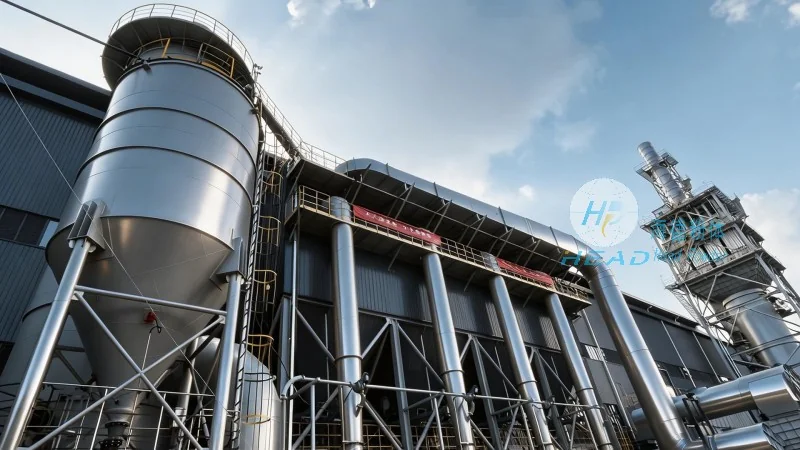
Technical Specifications and Application Considerations
The performance of potassium carbonate pneumatic conveying systems depends on several technical specifications, including air pressure, conveying velocity, and material characteristics. The air pressure is typically maintained between 0.5 to 1.5 bar, with higher pressures used for longer distances or larger particle sizes. The conveying velocity is optimized to ensure the material remains in suspension, usually ranging from 20 to 30 meters per second. The system's design must also consider the particle size and density of the potassium carbonate, as these factors affect the air flow requirements and system efficiency. For applications involving high volumes or long distances, larger diameter conveying lines and higher air pressures may be required. The receiver and hopper designs are critical to prevent material buildup and ensure efficient discharge. Proper maintenance, including regular cleaning and inspection of components, is essential to maintain system performance and prevent downtime.
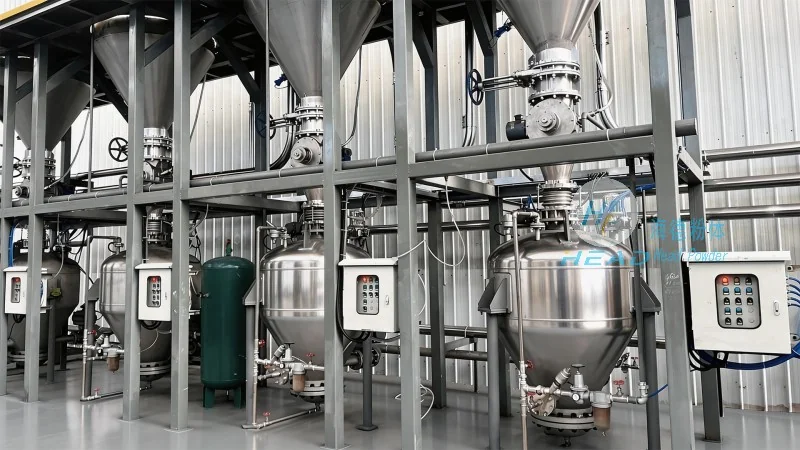
Company Profile and Service Commitment
Shandong HeadPowder Engineering Co., Ltd., a leading manufacturer in the field of material handling equipment, specializes in the design and production of pneumatic conveying systems for various industrial applications. With a focus on innovation and quality, the company has developed advanced solutions tailored to the specific needs of clients handling potassium carbonate and other bulk materials. HeadPowder's commitment to customer satisfaction is reflected in their comprehensive service offerings, including system design, installation, and after-sales support. The company's facilities are located in Shandong, China, where they leverage local expertise and resources to deliver high-quality products and services. By adhering to international standards and employing skilled engineers, HeadPowder ensures that their pneumatic conveying systems meet the highest performance and safety requirements. Their team of experts works closely with clients to understand operational challenges and provide customized solutions that enhance productivity and reduce costs. The company's reputation for reliability and efficiency has made it a trusted partner for businesses in the chemical, food, and pharmaceutical industries, where the handling of bulk materials requires precision and care.