Glass slag, a byproduct of glass manufacturing processes, requires efficient and reliable conveying methods to ensure safe and effective handling. For industrial facilities dealing with glass production, selecting the right glass slag conveying system is crucial for maintaining operational efficiency and compliance with safety standards. This article provides a detailed comparison of common glass slag conveying methods, highlighting the advantages, disadvantages, and ideal applications of each approach.
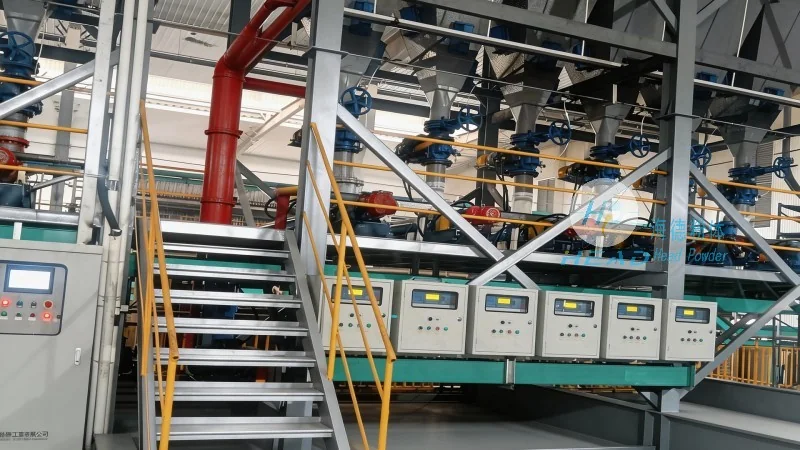
HeadPowder, a leading engineering company based in Shandong, China, specializes in designing and manufacturing customized conveying solutions for various industrial applications, including glass slag handling. With years of experience in the field, HeadPowder offers tailored solutions that meet the specific needs of clients, ensuring optimal performance and durability.
Gravity Flow Conveying: A Simple and Cost-Effective Option
Gravity flow conveying, also known as hopper or chute systems, relies on the natural force of gravity to move glass slag from one point to another. This method typically involves a series of inclined chutes or hoppers that allow the material to slide down due to its weight. The system is often used for short to medium distances and low to moderate material volumes. One of the primary advantages of gravity flow is its low operational cost, as it requires minimal energy input and has no moving parts that need regular maintenance. However, this method is limited by the need for a suitable slope and is not suitable for long distances or high volumes, as the material may not flow consistently without additional assistance.
Screw Conveyors: Versatile and Compact Solutions
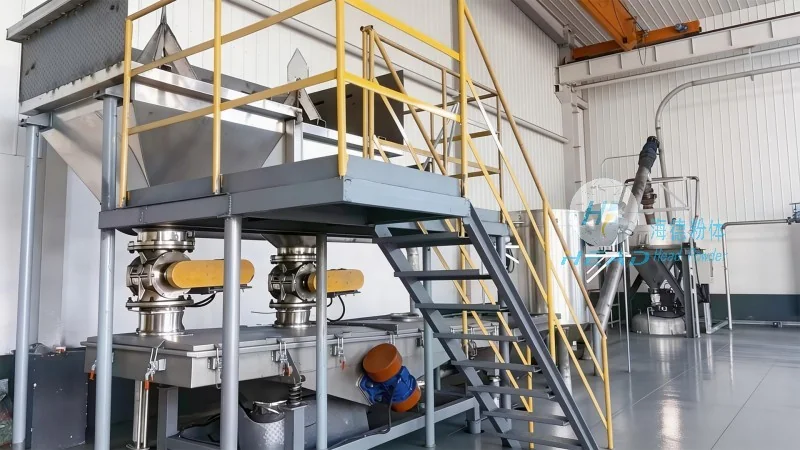
Screw conveyors, or auger conveyors, use a rotating screw to push glass slag through a tube or trough. This method is highly versatile and can handle a wide range of materials, including dry and slightly moist glass slag. Screw conveyors are compact and can be installed in tight spaces, making them ideal for facilities with limited floor space. They are also capable of handling vertical or horizontal transport, providing flexibility in system design. The main advantages of screw conveyors include their ability to transport materials in a closed system, which helps contain dust and prevent material spillage. However, they may experience wear and tear on the screw and trough due to the abrasive nature of glass slag, requiring regular maintenance and potential replacement of components.
Belt Conveyors: High-Capacity and Long-Distance Transport
Belt conveyors use a continuous belt to transport glass slag over long distances and at high capacities. This method is commonly used in large-scale glass manufacturing plants where the material needs to be moved from the production line to storage or processing areas. Belt conveyors are capable of handling large volumes of material and can operate continuously for extended periods, ensuring consistent production flow. The primary advantage of belt conveyors is their high efficiency and reliability, as they can transport materials over long distances with minimal maintenance. However, they require more space and infrastructure compared to other methods, and the belt and pulleys may need regular inspection and replacement due to the abrasive properties of glass slag.
Air-Powered Conveying: Flexible and Dust-Free Transport
Air-powered or pneumatic conveying systems use compressed air to transport glass slag through a pipeline. This method is ideal for applications where dust control is a priority, as the material is contained within the pipeline and does not release particles into the air. Pneumatic conveyors are flexible and can be installed in various configurations, including vertical, horizontal, or combined routes, allowing for complex system designs. They are also capable of handling fine or powdery glass slag that may be difficult to transport with other methods. The main advantages of air-powered conveying include its ability to transport materials in a dust-free environment and its flexibility in system layout. However, this method requires a constant supply of compressed air, which increases operational costs, and the system may be more complex to install and maintain.
Factors to Consider When Choosing a Glass Slag Conveying Method
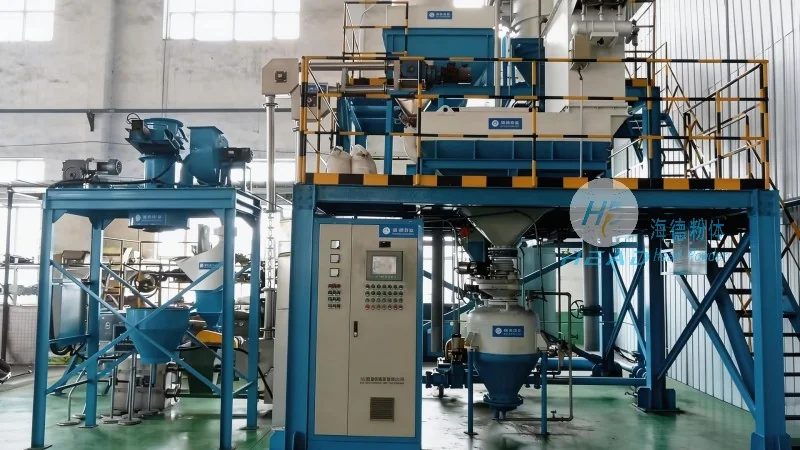
When selecting a glass slag conveying method, several factors must be considered to ensure the best fit for the specific application. These factors include the distance and volume of material to be transported, the physical properties of the glass slag (such as particle size, moisture content, and abrasiveness), the available space and budget, and the required level of dust control. For short distances and low volumes, gravity flow or screw conveyors may be sufficient. For long distances and high volumes, belt conveyors are often the best choice. If dust control is a critical concern, pneumatic conveying may be preferred. HeadPowder offers expert consultation to help clients evaluate these factors and select the most appropriate conveying system for their needs.
HeadPowder's Customized Conveying Solutions for Glass Slag Handling
HeadPowder Engineering Co., Ltd., based in Shandong, China, specializes in providing customized glass slag conveying solutions tailored to the unique requirements of each client. The company's team of engineers and technicians work closely with clients to understand their operational needs, material characteristics, and budget constraints, ensuring that the final solution is both effective and cost-efficient. HeadPowder's solutions may include a combination of the above methods, such as integrating a screw conveyor with a belt conveyor for vertical and horizontal transport, or using pneumatic conveying for dust control in specific areas. The company also provides maintenance and support services to ensure the long-term performance and reliability of the conveying systems.
Conclusion
Choosing the right glass slag conveying method is essential for optimizing glass manufacturing operations and ensuring safety. By understanding the advantages and limitations of each method, industrial facilities can select the most suitable solution for their needs. HeadPowder Engineering Co., Ltd. offers comprehensive and customized solutions that address the specific challenges of glass slag handling, helping clients achieve efficient and reliable material transport. Whether it's gravity flow, screw conveyors, belt conveyors, or pneumatic systems, HeadPowder provides the expertise and equipment to meet the demands of modern glass production.




