White carbon black, also known as precipitated silica, is a critical additive in industries such as rubber, plastics, and coatings. Its fine particle size and high surface area significantly influence the properties of end products, making efficient and reliable transport essential for maintaining production efficiency and product quality. This article provides a detailed comparison of common white carbon black conveying methods, examining their operational principles, advantages, disadvantages, and suitability for various industrial applications.
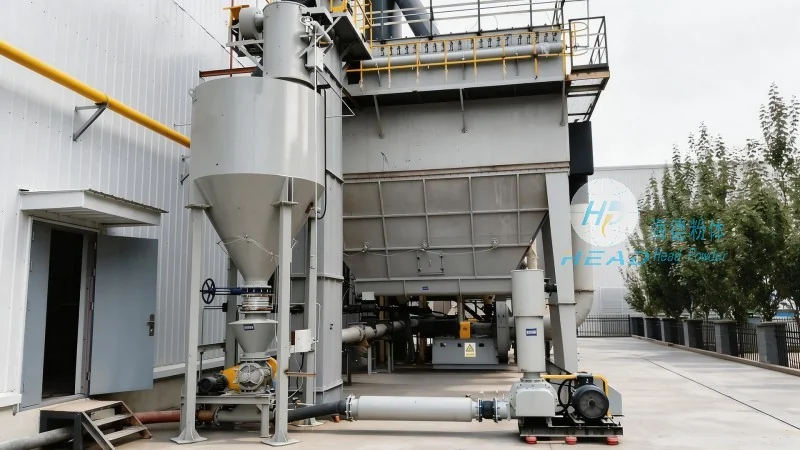
Introduction to White Carbon Black and Conveying Requirements
White carbon black is a high-purity, non-metallic powder with a specific surface area that enhances the mechanical, thermal, and optical properties of materials. Its small particle size and cohesive nature pose unique challenges during handling and transport. Conveying systems must address issues like dust generation, material degradation, and system reliability to ensure safe and efficient operation. The choice of conveying method depends on factors including material characteristics, production scale, environmental regulations, and cost considerations.
Common Conveying Methods for White Carbon Black
Air-Pressure Pneumatic Conveying
Air-pressure or pneumatic conveying is a widely adopted method for transporting white carbon black due to its ability to handle fine powders over long distances without mechanical components at the material source. The system operates by creating a pressure differential using compressed air, which draws the material from a hopper into a pipeline and transports it to the destination. Two primary types exist: pressure systems (suitable for short to medium distances and high flow rates) and vacuum systems (ideal for longer distances and lower flow rates).
Advantages of pneumatic conveying include minimal material contact with equipment, which reduces degradation risk, and the ability to transport material through vertical and horizontal pipelines. However, this method has limitations, such as high energy consumption, potential for dust emissions if sealing is inadequate, and the risk of pipeline clogging. System design must carefully manage pressure drops and ensure consistent flow to maintain performance.
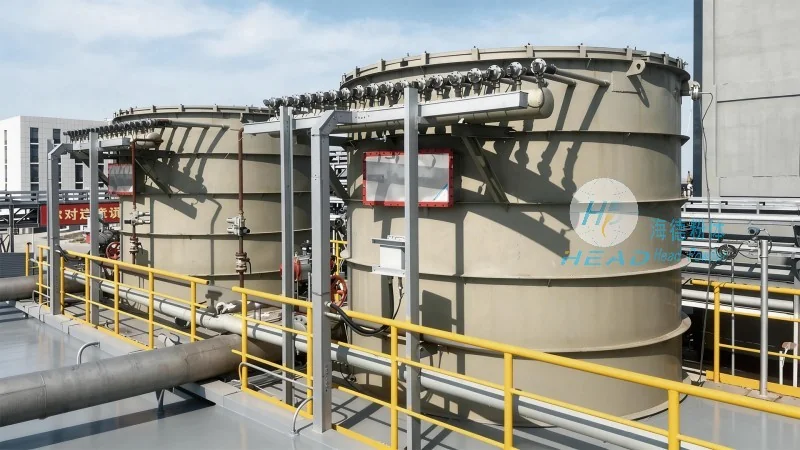
Mechanical Conveying Systems
Mechanical conveying methods, including screw conveyors, belt conveyors, and bucket elevators, are commonly used for white carbon black transport, particularly in applications where the material is not excessively fine or long-distance transport is not required. Screw conveyors use a rotating screw to move material through a tube, making them suitable for horizontal or slight incline transport. Belt conveyors are ideal for large-scale, long-distance transport, while bucket elevators are used for vertical material movement.
Advantages of mechanical conveyors include simplicity, low energy consumption, and the ability to handle a wide range of materials. However, these systems may not be suitable for very fine powders due to the risk of material bridging or clogging. Regular maintenance is required to prevent wear and tear, and they may generate more dust compared to pneumatic systems, necessitating additional dust control measures.
Hybrid Conveying Solutions
Hybrid conveying systems combine the benefits of pneumatic and mechanical methods. For example, a pneumatic system may transport white carbon black from a storage silo to a processing plant, while a screw conveyor feeds the material into a mixer. This approach allows for efficient long-distance transport while maintaining material integrity and minimizing dust generation.
Key Factors Influencing Conveying Method Selection
The selection of a white carbon black conveying method depends on several critical factors. Material characteristics, such as particle size distribution, moisture content, and cohesive properties, are paramount. Very fine white carbon black often requires pneumatic conveying to avoid clogging, whereas larger particles can be handled by mechanical systems. Production scale is another key consideration; large-scale operations may benefit from pneumatic systems due to their ability to handle high flow rates, while smaller operations may opt for mechanical conveyors for cost-effectiveness.
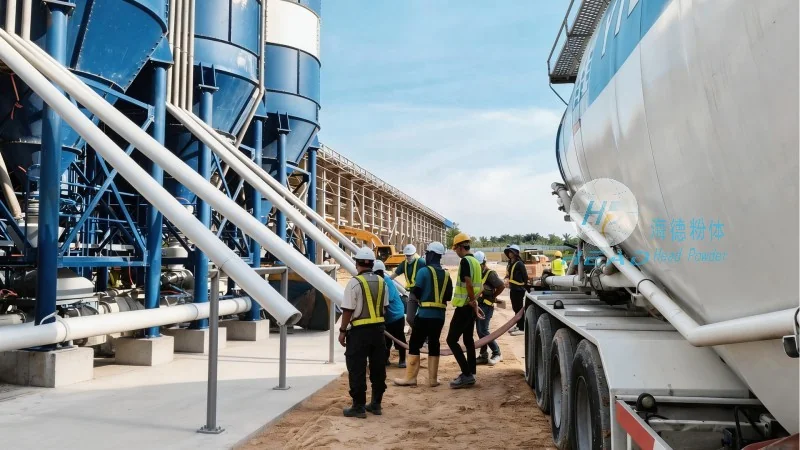
Environmental regulations and safety considerations also play a significant role. Pneumatic systems may require additional dust control measures to comply with air quality standards, while mechanical systems may need to be enclosed to prevent dust exposure. The cost of installation, operation, and maintenance is a critical factor for businesses, as different systems have varying capital and operational expenses.
Conclusion
Choosing the right white carbon black conveying method is essential for optimizing production efficiency and ensuring product quality. Pneumatic conveying offers advantages in handling fine powders and long-distance transport, while mechanical conveying provides simplicity and low energy consumption. Hybrid systems can offer the best of both worlds, depending on the specific requirements of the application. By carefully evaluating material characteristics, production scale, and environmental regulations, manufacturers can select the most suitable conveying method for their operations.
Shandong HeadPowder Engineering Co., Ltd., a leading provider of white carbon black processing solutions, specializes in designing and implementing efficient conveying systems tailored to each client's unique needs. With years of industry experience, the company ensures its systems are reliable, cost-effective, and compliant with all relevant regulations. Whether pneumatic, mechanical, or hybrid, HeadPowder Engineering delivers high-quality products and services that enhance production capabilities and support business growth.




