Industrial salt is a vital raw material across multiple industries, including chemical production, food processing, and de-icing applications. The efficient and safe conveyance of industrial salt from storage to processing units is paramount for maintaining production efficiency and ensuring operational safety. Several common methods are employed for industrial salt transportation, each with distinct advantages and limitations. This article provides a detailed comparison of the most prevalent industrial salt conveying methods, highlighting their applications, operational characteristics, and suitability for various industrial settings.
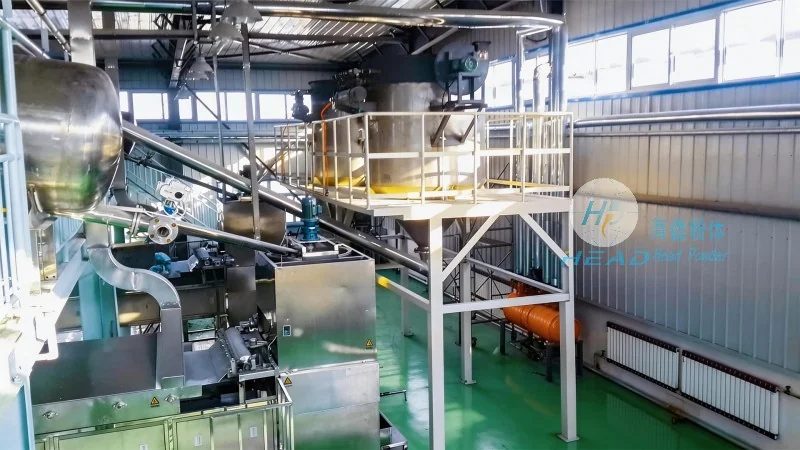
Overview of Key Conveying Methods
The primary industrial salt conveying methods include pneumatic conveying, belt conveyors, screw conveyors, and hydraulic systems. Each method operates on different principles and is suited to specific operational requirements. Pneumatic conveying utilizes air pressure to move salt particles through a pipeline, while belt conveyors rely on continuous belts to transport bulk materials. Screw conveyors employ rotating screws to push salt along a trough, and hydraulic systems use fluid power to transfer salt in closed circuits. Understanding the differences between these methods is crucial for selecting the most appropriate solution for a particular industrial application.
Pneumatic Conveying Systems
Pneumatic conveying is a popular method for transporting industrial salt, especially in applications where dust control and flexibility are required. This system operates by creating a pressure differential between the inlet and outlet of a pipeline, using compressed air to move salt particles. There are two main types of pneumatic conveying: pressure and vacuum systems. Pressure systems use positive pressure to push salt from the source to the destination, while vacuum systems use negative pressure to draw salt into the pipeline. Pneumatic conveying is particularly effective for transporting fine or powdery industrial salt, as it can handle materials with high moisture content and prevent material degradation. However, it may not be suitable for very large or heavy salt particles, as the air flow may not be sufficient to move them efficiently. The system also requires regular maintenance of air filters and pipeline cleaning to prevent blockages and ensure consistent performance.
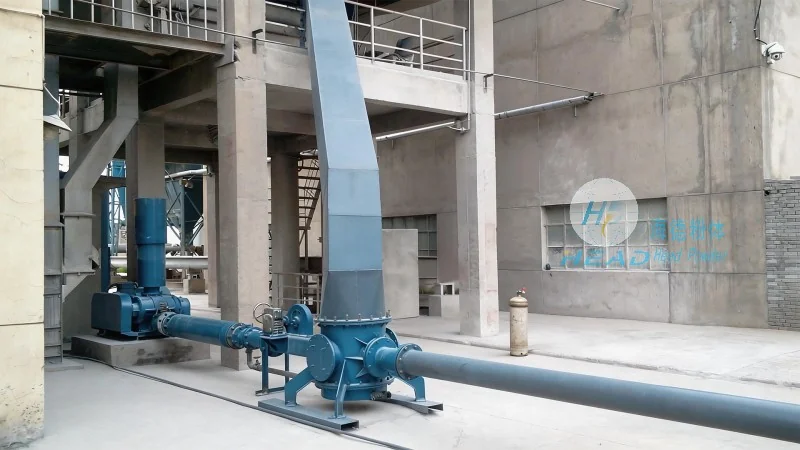
Belt Conveyors for Industrial Salt Transport
Belt conveyors are widely used in industrial salt handling due to their ability to transport large volumes of bulk material over long distances. This method involves a continuous belt that moves salt from the loading point to the unloading point, supported by rollers or idlers. Belt conveyors are available in various configurations, including troughed, flat, and incline models, to suit different operational needs. They are particularly effective for transporting coarse or granular industrial salt, as the belt can handle larger particles without causing wear or damage. Belt conveyors are also relatively low-maintenance and can operate continuously for extended periods, making them ideal for high-volume production lines. However, they may require more space and may not be suitable for transporting fine or powdery salt, as the belt can cause material segregation and dust generation. Additionally, belt conveyors need regular inspection of the belt tension and alignment to prevent slippage and ensure smooth operation.
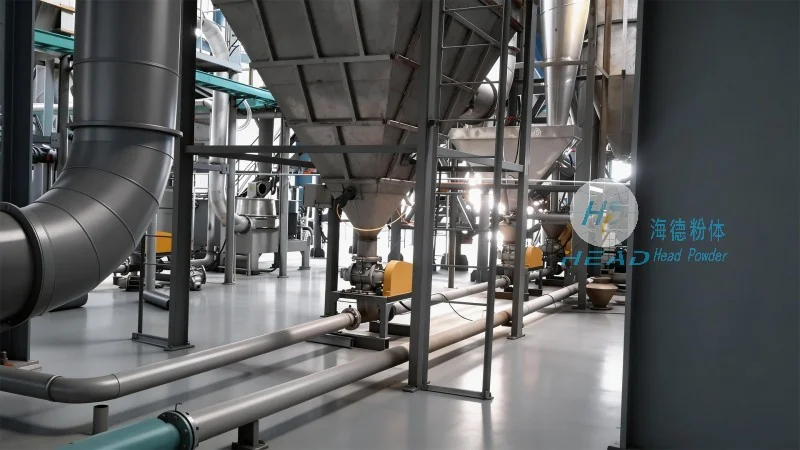
Screw Conveyors in Industrial Salt Handling
Screw conveyors are another common method for transporting industrial salt, especially in applications where vertical or inclined transport is required. This system consists of a rotating screw (also known as a helicoid) that moves salt along a trough or pipe. The screw is driven by a motor, and the speed of rotation can be adjusted to control the flow rate of the salt. Screw conveyors are particularly effective for transporting fine or powdery industrial salt, as the screw can handle materials with high moisture content and prevent material bridging. They are also suitable for vertical transport, as the screw can lift salt from a lower level to a higher level without the need for additional equipment. However, screw conveyors may not be suitable for very large or heavy salt particles, as the screw may cause wear or damage to the material. The system also requires regular maintenance of the screw and trough to prevent blockages and ensure consistent performance.
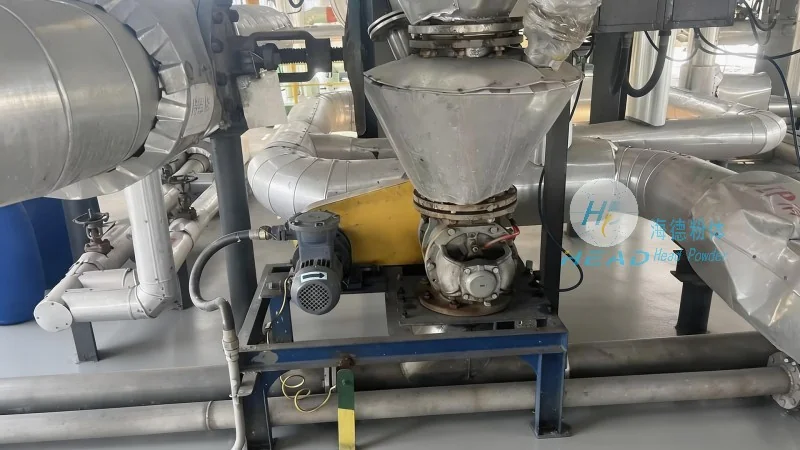
Hydraulic Conveying Systems
Hydraulic conveying systems use fluid power to transport industrial salt in closed circuits. This method involves pumping a liquid (such as water or a specialized fluid) through a pipeline, with the salt suspended in the fluid. The fluid flow moves the salt from the source to the destination, and the system can handle both coarse and fine particles. Hydraulic conveying is particularly effective for transporting large volumes of industrial salt over long distances, as it can maintain a consistent flow rate and pressure. However, it requires a closed system to prevent fluid leakage and contamination, and the system may be more complex and expensive to install and maintain. Additionally, hydraulic systems may not be suitable for applications where dust control is critical, as the fluid can cause splashing and dust generation.
Factors to Consider When Selecting a Conveying Method
When selecting an industrial salt conveying method, several factors must be considered to ensure optimal performance and cost-effectiveness. These factors include the type and size of the salt particles, the required transport distance and elevation, the volume of material to be transported, and the operational environment. For example, if the industrial salt is fine and powdery, pneumatic or screw conveyors may be more suitable, while belt conveyors may be better for coarse or granular salt. If the transport distance is long or involves vertical movement, screw or hydraulic systems may be preferred. The operational environment, such as the presence of dust or moisture, also plays a role in the selection of the conveying method. Additionally, the cost of installation, maintenance, and energy consumption must be considered to ensure the chosen method is economically viable.




