When it comes to handling foam plastics, selecting the right conveying method is crucial for efficiency and material integrity. Shandong HeadPowder Engineering Co., Ltd., a leading provider in the field, offers insights into the most common methods used for transporting foam materials. This article provides a detailed comparison of these methods, helping businesses choose the most suitable solution for their operations.
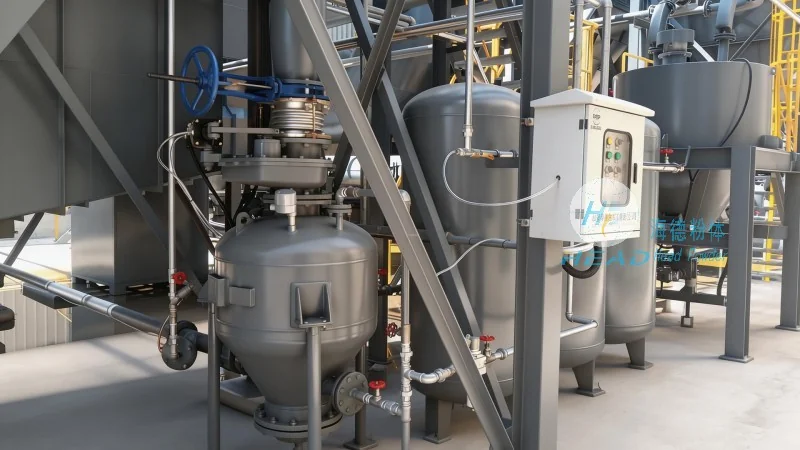
Overview of Foam Plastic Conveying Methods
Conveying foam plastics involves moving lightweight, often porous materials from one location to another. The choice of method depends on factors such as material type, volume, distance, and the need for material protection. Common approaches include vacuum suction, pneumatic (air-assisted) systems, mechanical conveyors, and hydraulic systems. Each method has its own advantages and limitations, which are discussed below.
Vacuum Suction Conveying
Vacuum suction is a widely used method for transporting lightweight foam plastics. This technique involves creating a negative pressure in a hopper or collection point, which draws the foam material into a flexible hose or tube. The system typically includes a vacuum pump, a filter to prevent debris from entering the pump, and a control valve to regulate the flow. The main advantages of vacuum suction are its ability to handle fine or irregularly shaped foam pieces without damage and its suitability for short to medium distances. However, it may struggle with large volumes or materials that are too heavy or dense, as the suction force may not be sufficient to move them efficiently.
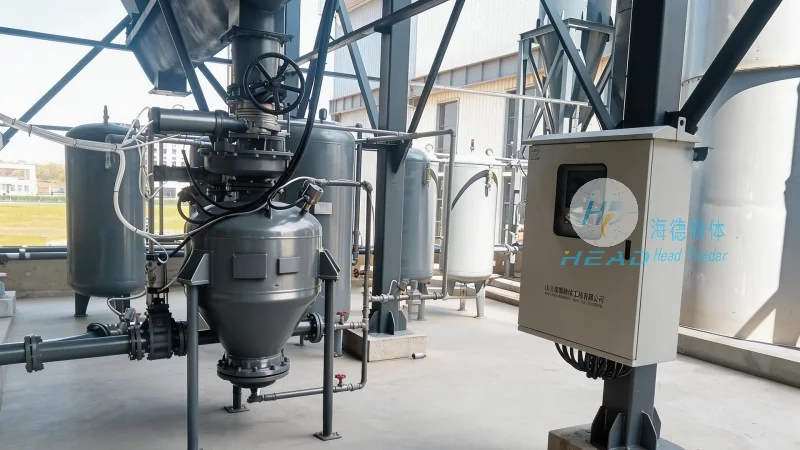
Pneumatic (Air-Assisted) Conveying
Pneumatic conveying, also known as air-assisted transport, uses compressed air to move foam plastics through a pipeline. The material is carried by the air stream, which can be either positive pressure (blowing air into the line) or negative pressure (sucking air out of the line). This method is effective for medium to large volumes and longer distances, as it can handle a wider range of material sizes and shapes. Pneumatic systems are often more robust than vacuum systems and can be integrated with other processing equipment. However, they require more energy to operate and may cause some material degradation if the air velocity is too high, potentially leading to dust or particle generation.
Mechanical Conveying Systems
Mechanical conveyors, such as belt conveyors, screw conveyors, and chain conveyors, are commonly used for foam plastic transport. These systems rely on physical contact with the material to move it. Belt conveyors are ideal for transporting larger foam pieces or sheets, while screw conveyors are suitable for granular or powdery foam materials. Chain conveyors can handle heavier loads and are often used in industrial settings. The primary advantage of mechanical systems is their ability to handle high volumes and heavy materials without the need for compressed air or vacuum. However, they may cause more wear and tear on the foam material, especially if the conveyor is not properly designed or maintained. Additionally, they are generally less flexible in terms of material size and shape compared to pneumatic or vacuum systems.
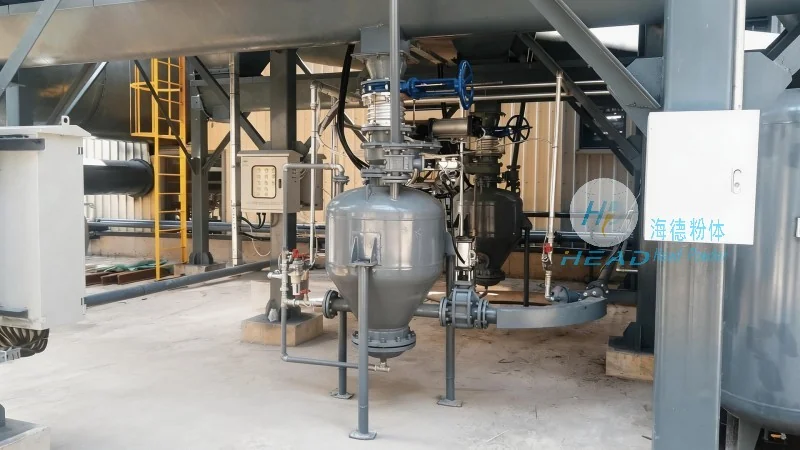
Hydraulic Conveying
Hydraulic conveying systems use fluid pressure to move foam plastics. This method is less common for foam materials but can be used in specific applications where high pressure is required. The system typically consists of a hydraulic pump, a hose, and a nozzle that directs the fluid to move the material. Hydraulic conveying is capable of handling very heavy or dense foam pieces and can achieve high speeds. However, it requires specialized equipment and is more complex to maintain. The main drawback is the potential for fluid leakage and the need for regular maintenance to prevent damage to the system.
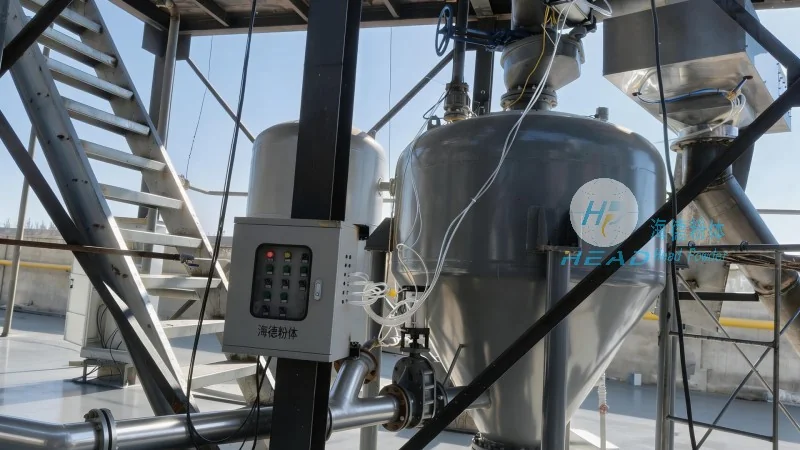
Choosing the Right Conveying Method for Your Business
When selecting a foam plastic conveying method, businesses should consider several factors. First, the type and properties of the foam material, including its density, shape, and moisture content. Second, the volume and distance of material transport. Third, the available space and budget for the system. Fourth, the need for material protection and cleanliness. Shandong HeadPowder Engineering Co., Ltd. offers customized solutions tailored to these requirements, ensuring that clients receive the most efficient and cost-effective conveying system for their needs.
Conclusion
Each foam plastic conveying method has its own strengths and weaknesses. Vacuum suction is suitable for lightweight, fine materials over short distances. Pneumatic systems are ideal for medium to large volumes and longer distances. Mechanical conveyors are effective for high-volume, heavy materials. Hydraulic systems are used for very heavy or dense materials. By understanding the characteristics of each method and matching them to specific operational needs, businesses can optimize their material handling processes and improve overall productivity. Shandong HeadPowder Engineering Co., Ltd. provides expert guidance and high-quality conveying solutions to help companies achieve their material transport goals efficiently and reliably.




