

What is a Chili Powder Pneumatic Conveying Equipment? And What Are Its Design Principles?
Chili powder, a vibrant and essential ingredient in global culinary traditions, demands precise handling to preserve its flavor, color, and nutritional properties. Traditional methods of transporting chili powder, such as manual scooping or mechanical conveyors, often lead to product degradation, contamination, or inefficient workflow. Pneumatic conveying equipment provides a modern solution by utilizing compressed air to move dry powders through sealed pipelines, ensuring a hygienic, dust-free, and efficient transfer process. This article explores the concept of chili powder pneumatic conveying equipment and outlines the core design principles that make it an effective choice for food processing applications.
Understanding the Core Components of Chili Powder Pneumatic Conveying Systems
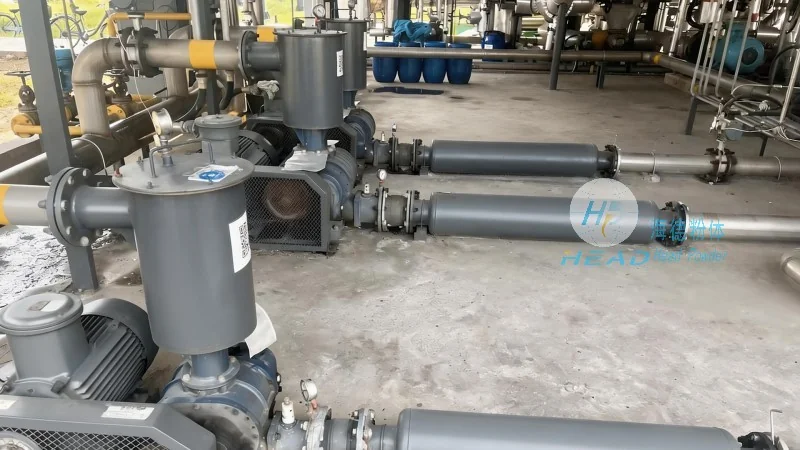
At the heart of any pneumatic conveying system for chili powder is a series of interconnected components that work in tandem to ensure reliable operation. The primary components include a material hopper for storing the chili powder, a feeder mechanism to control the flow rate, a compressor or blower to generate the necessary air pressure, and a pipeline network that transports the powder. Each component plays a critical role in maintaining the integrity and quality of the chili powder, which is essential for food processing applications. The hopper is typically designed with a sloped bottom to facilitate uniform material discharge, while the feeder ensures consistent flow to prevent overloading the system. The compressor or blower provides the pressure differential needed to move the powder through the pipeline, and the pipeline network must be sized appropriately to handle the specific particle size and flow rate of the chili powder.
Design Principles for Efficient Chili Powder Pneumatic Conveying
The design of a chili powder pneumatic conveying system is guided by several key principles aimed at optimizing performance, minimizing product degradation, and ensuring operational safety. One of the most critical principles is maintaining a consistent air-to-material ratio. This ratio is crucial for preventing blockages and ensuring smooth flow through the pipeline. The system must also be designed to handle the specific properties of chili powder, such as its fine particle size (typically 100-200 microns) and potential for static electricity, which can affect flow characteristics. The air velocity within the pipeline is carefully calculated to ensure the powder remains suspended without causing excessive wear on the system components. Additionally, the system may incorporate features like air filtration and dust collection to prevent powder dispersion and maintain a clean working environment.
Material Handling and Hygiene Considerations
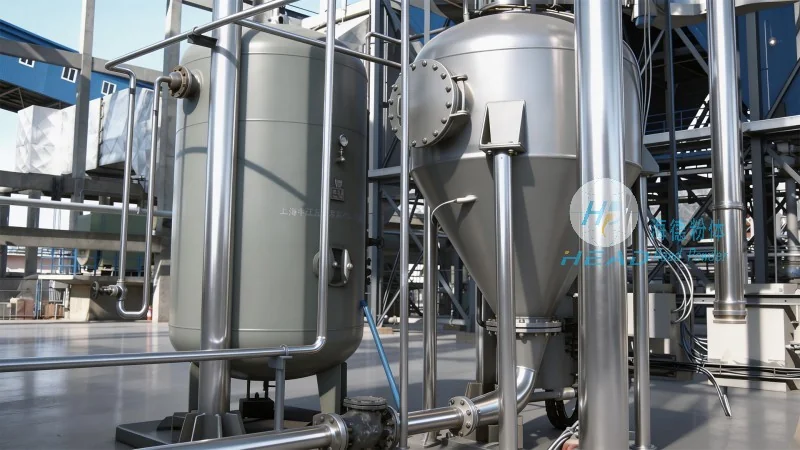
For chili powder, which is often used in food products, hygiene is paramount. The pneumatic conveying equipment must be constructed from materials that are non-corrosive, easy to clean, and resistant to contamination. Stainless steel is commonly used for the hopper, feeder, and pipeline components to meet these hygiene standards. The system may also include CIP (Clean-In-Place) capabilities to facilitate thorough cleaning without disassembling components. Furthermore, the design may incorporate static elimination devices to prevent electrostatic discharge, which can be hazardous and affect powder flow. These considerations ensure that the equipment complies with food safety regulations and maintains the quality of the chili powder throughout the conveying process.
Advantages of Using Pneumatic Conveying for Chili Powder
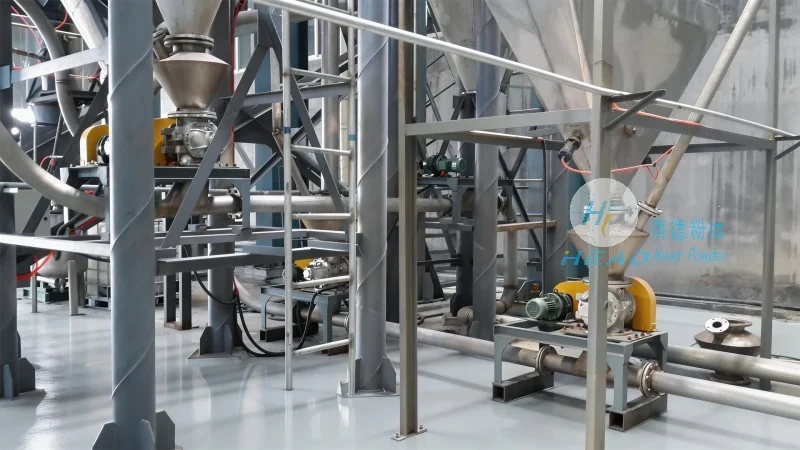
Compared to traditional mechanical conveying methods, pneumatic conveying offers several advantages for chili powder. It eliminates the need for moving parts in the pipeline, reducing maintenance requirements and the risk of product contamination. The system can also handle varying flow rates and particle sizes, making it versatile for different production scales—from small batch processing to large-scale industrial operations. Furthermore, pneumatic conveying is energy-efficient, as it uses compressed air to transport the material, which can lead to cost savings over time. The sealed pipeline design also prevents cross-contamination with other materials or environmental factors, ensuring the purity of the chili powder. These benefits make pneumatic conveying a preferred choice for manufacturers looking to enhance productivity and product quality.
Applications in the Food Processing Industry
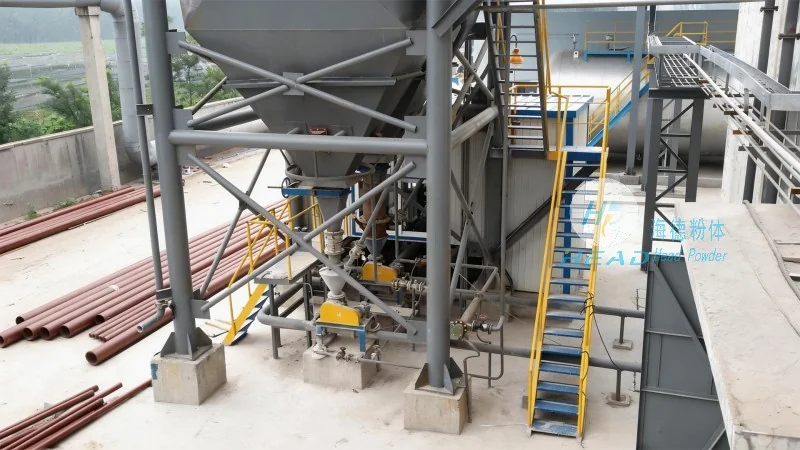
Chili powder pneumatic conveying equipment is widely used in the food processing industry, particularly in factories that produce spice blends, seasonings, and ready-to-use sauces. The equipment is essential for transferring chili powder from storage silos to mixing tanks, packaging lines, or storage containers. Its ability to handle large volumes of powder quickly and hygienically makes it a preferred choice for manufacturers looking to streamline their production processes. For example, in a spice manufacturing plant, the system may be used to move chili powder from the storage silo to a mixing machine where it is combined with other spices and seasonings. The efficient transfer ensures that the production line operates continuously without interruptions, improving overall productivity. Additionally, the system can be integrated with other processing equipment, such as grinding or sieving machines, to form a complete production line for chili powder products.
Conclusion: The Importance of Proper Design and Maintenance
In conclusion, chili powder pneumatic conveying equipment is a vital component in the food processing industry, enabling efficient and hygienic handling of this valuable ingredient. The design principles, including proper air-to-material ratio, material handling considerations, and hygiene standards, are crucial for ensuring the equipment operates effectively and maintains the quality of the chili powder. Regular maintenance and adherence to these design principles will ensure the longevity and reliability of the system, supporting consistent production and product quality. As the demand for high-quality chili powder products grows, the use of advanced pneumatic conveying systems will continue to play a key role in meeting industry standards and customer expectations.