HeadPowder, a leading manufacturer based in Shandong, China, specializes in industrial equipment for material handling. This article explores the concept of a silica powder pneumatic conveying machine and delves into its fundamental design principles, offering insights into how this technology efficiently transports fine powders like silica.
Understanding Silica Powder Pneumatic Conveying Machines
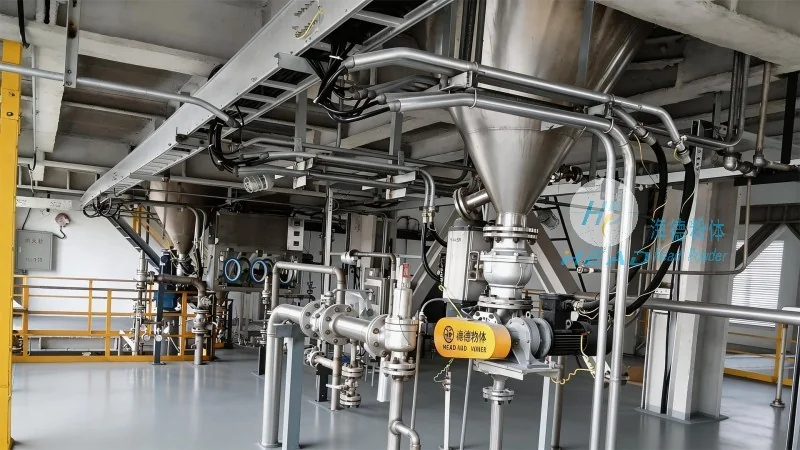
A silica powder pneumatic conveying machine is a specialized system designed to transport dry, fine powders such as silica through an air stream. This technology eliminates the need for traditional mechanical conveyors, which can be less efficient or unsuitable for handling delicate or abrasive materials. The system typically consists of a hopper for material storage, a blower or compressor to generate the air flow, a pipeline network to direct the material, and a receiver or discharge unit to collect the conveyed powder. The entire process relies on the principle of pneumatic transport, where the material is suspended and carried by the moving air within the pipeline.
Key Components and Their Functions
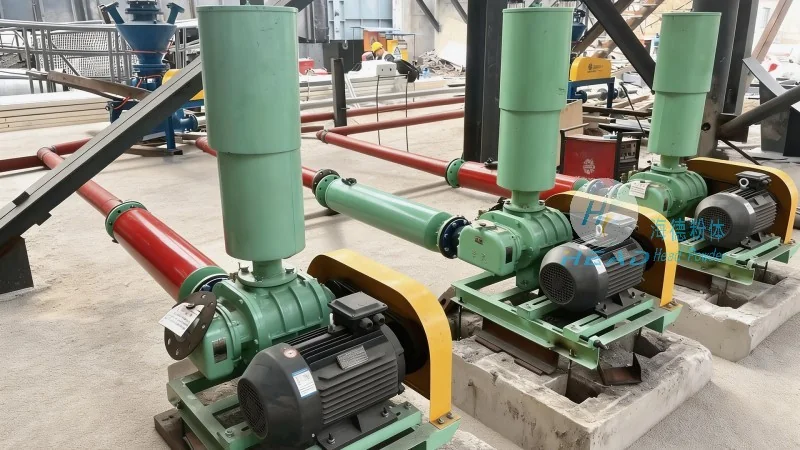
Several critical components work in tandem to ensure the efficient operation of a silica powder pneumatic conveying machine. The hopper serves as the storage vessel, holding the silica powder and providing a consistent feed to the system. It is often equipped with a feeder, such as a rotary valve or a vibratory feeder, to control the flow rate of the material into the pipeline. The blower or compressor is the heart of the system, generating the necessary air pressure and flow to move the powder. This component can be a positive displacement blower or a centrifugal fan, depending on the system's requirements. The pipeline network connects the hopper to the discharge point and is usually made of materials like stainless steel or PVC to withstand the abrasive nature of silica powder and prevent clogging. The receiver or discharge unit collects the conveyed powder and may include features like a dust collector or a filter to ensure clean material handling and compliance with environmental regulations.
Design Principles for Efficient Silica Powder Transport
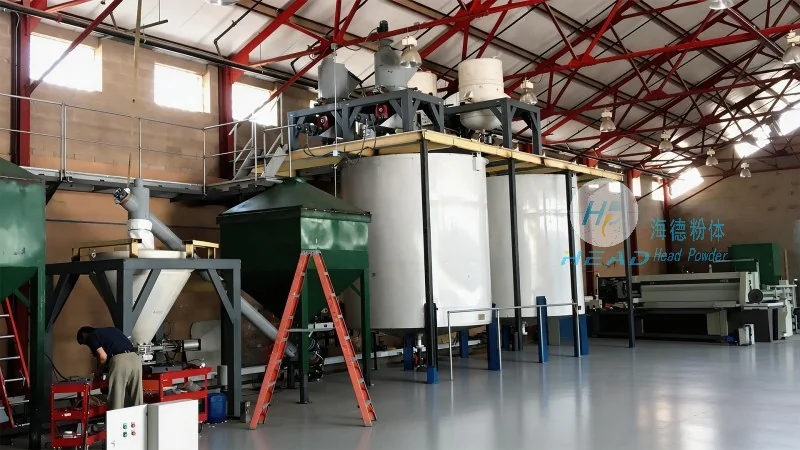
The design of a silica powder pneumatic conveying machine is tailored to the specific characteristics of silica powder, including its particle size, density, and flowability. Key design principles include maintaining a consistent air velocity to keep the powder suspended without causing excessive wear on the pipeline or equipment. The system must also account for the potential for material segregation or agglomeration, which can affect the conveying efficiency. To mitigate these issues, designers often incorporate features like pulse jets or air classifiers to maintain a uniform particle size distribution and prevent blockages. Additionally, the system's layout and the angle of the pipeline are carefully considered to minimize pressure drops and ensure smooth material flow. The choice of materials for the components, such as the use of wear-resistant coatings on the blower and pipeline, is another critical design aspect to extend the equipment's lifespan and reduce maintenance costs.
Advantages of Using Pneumatic Conveying for Silica Powder
Compared to traditional mechanical conveyors, pneumatic conveying offers several advantages when handling silica powder. First, it provides a more hygienic and dust-free environment, which is essential for industries where product purity is critical, such as food processing or pharmaceutical manufacturing. Second, the system can handle a wide range of particle sizes and flow rates, making it versatile for various applications. Third, pneumatic conveying reduces the risk of material contamination and cross-contamination, as the material is contained within the pipeline and does not come into direct contact with external surfaces. Finally, the system can be easily integrated with other industrial processes, such as mixing or packaging, to create a seamless production line.
Applications and Industries
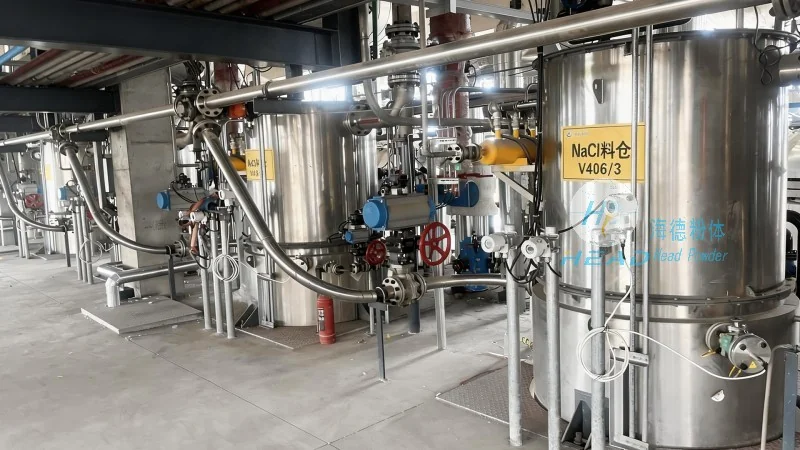
Silica powder pneumatic conveying machines are widely used in various industries that rely on the efficient handling of fine powders. These include the chemical industry, where silica is used as a filler or additive in products like paints and plastics. The food industry also utilizes this technology to transport silica-based ingredients in food processing plants. Additionally, the pharmaceutical industry benefits from the hygienic and dust-free nature of pneumatic conveying when handling silica powders used in drug formulations. Other applications include the mining and construction sectors, where silica is processed and transported as part of raw material handling operations.
Conclusion
In conclusion, a silica powder pneumatic conveying machine is a sophisticated industrial solution designed to efficiently and safely transport fine powders like silica. The design principles, which focus on maintaining consistent air flow, preventing material degradation, and ensuring system durability, are crucial for optimal performance. HeadPowder, with its expertise in industrial equipment, provides reliable solutions for businesses seeking to enhance their material handling processes. By understanding the components and design considerations of such systems, industries can improve productivity, reduce costs, and maintain product quality in their operations.




