For businesses involved in the processing of buckwheat husks, selecting the right equipment is crucial for efficiency and cost-effectiveness. A buckwheat husk pneumatic conveyor is a specialized device designed to transport these lightweight, abrasive materials through an air-powered system. This article explores what a buckwheat husk pneumatic conveyor is and delves into its design principles, helping you understand how this technology can enhance your operations.
About HeadPowder: Your Partner in Material Handling Solutions
HeadPowder, or Shandong HeadPowder Engineering Co., Ltd., is a leading manufacturer based in Shandong, China, dedicated to providing high-quality material handling equipment. With years of experience in the industry, our company specializes in designing and manufacturing pneumatic conveyors tailored to the unique needs of agricultural and food processing sectors. Our products are engineered to ensure durability, efficiency, and reliability, making them ideal for handling materials like buckwheat husks.
What is a Buckwheat Husk Pneumatic Conveyor?
A buckwheat husk pneumatic conveyor is a type of pneumatic conveying system that uses air pressure to move buckwheat husks from one location to another. Unlike traditional mechanical conveyors, which rely on belts or chains, this system utilizes compressed air to create a flow of material through a pipeline. The design is particularly suited for handling lightweight, dusty, or abrasive materials, such as buckwheat husks, which are commonly used in the production of flour, fiber, or other byproducts.
Key Features of Buckwheat Husk Pneumatic Conveyors
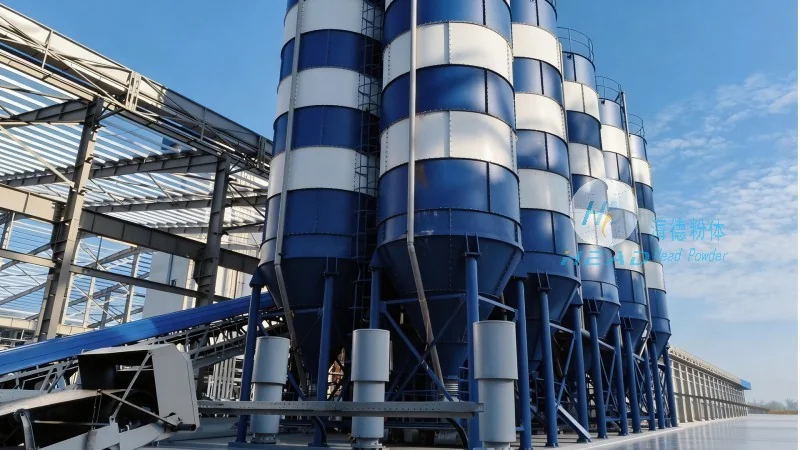
When considering a buckwheat husk pneumatic conveyor, several key features stand out. First, the system is highly efficient in terms of space utilization, as it can transport materials over long distances with minimal footprint. Second, it offers excellent dust control, which is critical for maintaining a clean and safe working environment, especially in food processing facilities. Third, the design minimizes material degradation, ensuring that the buckwheat husks retain their quality and properties throughout the conveying process. Additionally, these conveyors are often equipped with adjustable air flow controls, allowing operators to optimize the system for different material types and processing requirements.
Design Principles of Buckwheat Husk Pneumatic Conveyors
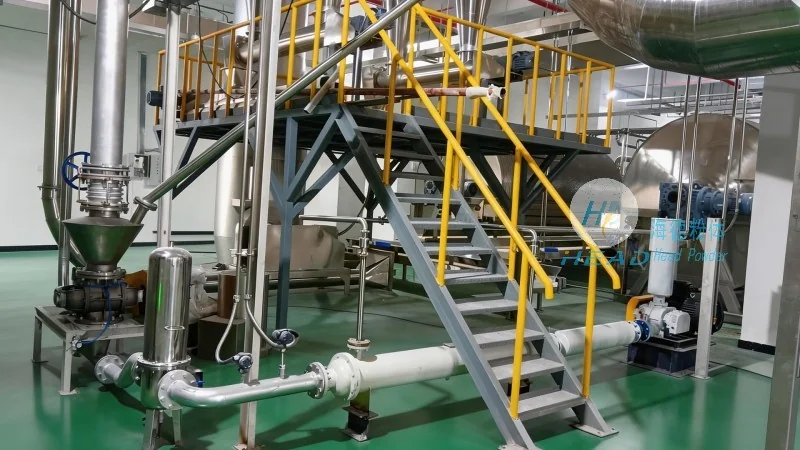
The design of a buckwheat husk pneumatic conveyor is based on several fundamental principles to ensure optimal performance. The primary principle is the use of air as the conveying medium, which reduces the need for mechanical components that could wear out or break down over time. This air-driven system also allows for gentle handling of the husks, preventing damage that might occur with mechanical conveyors. Another key principle is the use of a closed pipeline system, which helps to contain dust and prevent contamination, a critical factor in food processing applications. The system typically includes a hopper for material storage, a blower to generate the air pressure, and a pipeline network that directs the material to its destination. The design may also incorporate features such as cyclone separators or filters to remove any residual dust from the air, ensuring compliance with environmental regulations.
How Buckwheat Husk Pneumatic Conveyors Work
To understand the operation of a buckwheat husk pneumatic conveyor, it's essential to follow the flow of materials and air. The process begins with the buckwheat husks being fed into a hopper, where they are stored until needed. From the hopper, the material is drawn into the pipeline by the air flow generated by the blower. The air pressure creates a vacuum or positive pressure that moves the husks through the pipeline, ensuring a continuous and efficient transport. The system may include multiple sections, such as vertical and horizontal pipelines, to navigate changes in elevation or direction. At the end of the pipeline, the husks are discharged into a collection bin or processing unit. The air, now carrying any residual dust, is then filtered and released back into the environment, completing the cycle.
Benefits of Using a Buckwheat Husk Pneumatic Conveyor
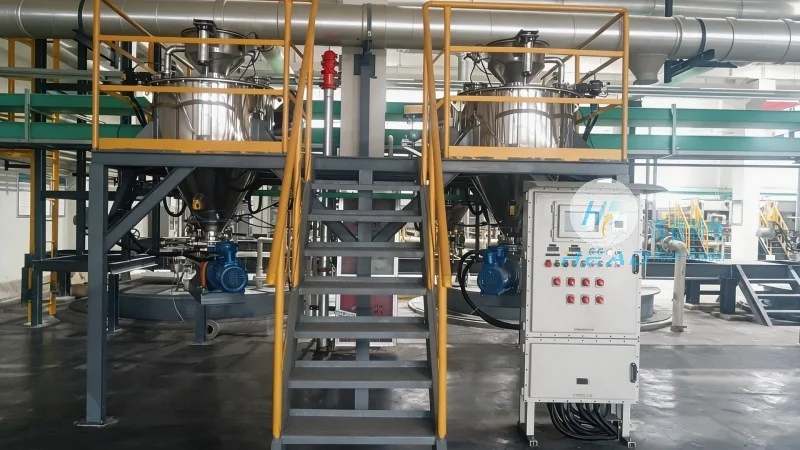
Implementing a buckwheat husk pneumatic conveyor offers numerous benefits for businesses in the agricultural and food processing industries. One of the most significant advantages is the reduction in labor costs, as the system automates the material handling process, eliminating the need for manual labor to transport husks. This also leads to increased productivity, as the conveyor can operate continuously without breaks. Another benefit is the improvement in product quality, as the gentle handling of the husks prevents damage and maintains their integrity. Additionally, the system provides better control over dust and contamination, ensuring that the final product meets quality standards and regulatory requirements. Finally, the compact design of the conveyor saves valuable floor space, making it suitable for facilities with limited room for equipment.
Choosing the Right Buckwheat Husk Pneumatic Conveyor
When selecting a buckwheat husk pneumatic conveyor, several factors should be considered to ensure the best fit for your operations. First, the capacity of the conveyor is critical, as it must match the volume of husks you need to transport. This includes both the material flow rate and the air flow rate, which can be adjusted based on the specific requirements. Second, the material of construction is important, as the conveyor must be able to withstand the abrasive nature of buckwheat husks. Materials such as stainless steel or high-grade plastic are commonly used to prevent wear and corrosion. Third, the system's energy efficiency should be evaluated, as operating costs can be a significant factor over time. Finally, the manufacturer's reputation and experience are crucial, as a reliable supplier like HeadPowder can provide the necessary support and maintenance services to keep the system running smoothly.




