

What is Sugar Material Pneumatic Conveying Equipment? What Are Its Design Principles?
When it comes to efficiently handling and transporting sugar materials, the choice of equipment plays a crucial role in optimizing production processes and ensuring operational efficiency. Among the various methods available, pneumatic conveying systems have emerged as a reliable and effective solution for moving bulk sugar from one location to another. This article aims to explore what sugar material pneumatic conveying equipment is and delve into the underlying design principles that make it a preferred choice in the industry.
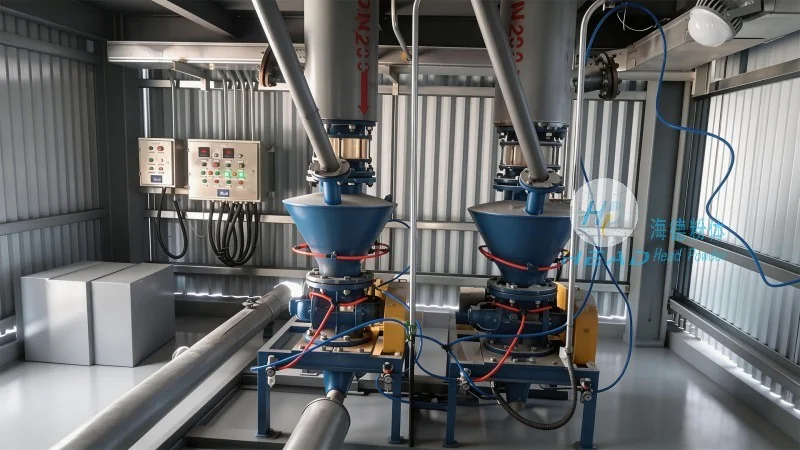
Understanding Sugar Material Pneumatic Conveying Equipment
Sugar material pneumatic conveying equipment is a specialized system designed to transport granular or powdered sugar through a pipeline using air or other gas as the conveying medium. Unlike traditional mechanical conveyors, which rely on mechanical components like belts or screws, pneumatic systems utilize the force of air to move the material, making them ideal for applications where dust control, hygiene, and flexibility are paramount. These systems are commonly used in sugar processing plants, refineries, and other food processing facilities to handle raw sugar, refined sugar, and other sugar derivatives.
Key Components of Pneumatic Conveying Systems
At the core of any pneumatic conveying system are several key components that work in tandem to ensure smooth and efficient material transport. The primary components include the material feed hopper, which holds the sugar and feeds it into the system; the air compressor or blower, which generates the necessary air pressure to move the material; the conveying line, which is typically made of stainless steel or other corrosion-resistant materials to handle the sugar and prevent contamination; and the discharge hopper or receiver, which collects the conveyed sugar at the destination. Additionally, some systems may include accessories such as filters, cyclones, and rotary valves to control the flow and maintain system integrity.
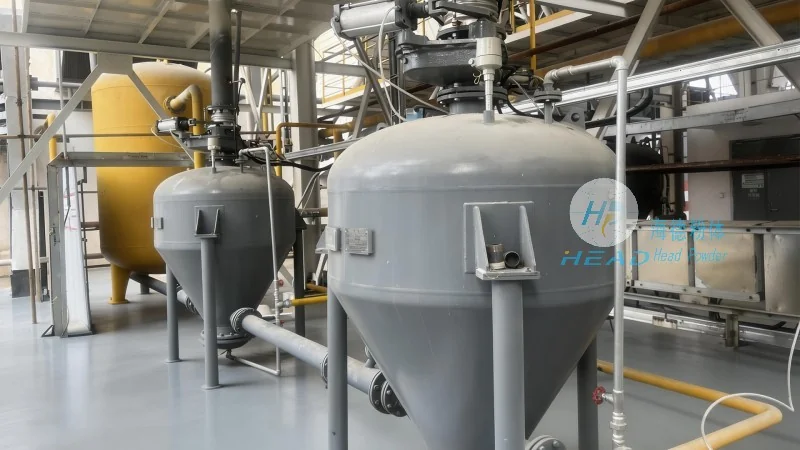
Design Principles for Efficient Sugar Conveying
The design of a sugar material pneumatic conveying system is based on several critical principles to ensure optimal performance and reliability. One of the fundamental principles is the selection of the appropriate conveying velocity, which is determined by the sugar's particle size, density, and flow characteristics. The velocity must be high enough to prevent material settling in the pipeline but low enough to avoid excessive wear and energy consumption. Another key principle is the proper sizing of the conveying line and components to match the material's flow rate and the system's pressure requirements. This involves calculating the necessary air volume and pressure to maintain a consistent flow of sugar without causing blockages or excessive pressure drops.
Advantages of Pneumatic Conveying for Sugar Handling
Implementing a pneumatic conveying system for sugar handling offers numerous advantages over traditional methods. One of the most significant benefits is the ability to maintain a clean and hygienic environment, as the system is enclosed and prevents dust and contamination from entering the product. This is particularly important in food processing industries where product purity is a top priority. Additionally, pneumatic systems provide greater flexibility in terms of layout and installation, as they can be easily reconfigured to accommodate changes in production processes or facility expansions. The systems also offer improved safety by eliminating the need for manual handling of bulk sugar, reducing the risk of accidents and injuries.
Applications in Sugar Processing
Sugar material pneumatic conveying equipment is widely used in various stages of sugar processing, from raw sugar handling to refined sugar distribution. In refineries, these systems are used to transport raw sugar from storage silos to processing units, where it is washed, crystallized, and dried. In sugar mills, pneumatic conveyors are employed to move refined sugar from the refining process to packaging lines or storage tanks. The systems are also utilized in the production of specialty sugars, such as brown sugar, powdered sugar, and sugar syrups, where precise control over material flow is essential to maintain product quality and consistency.
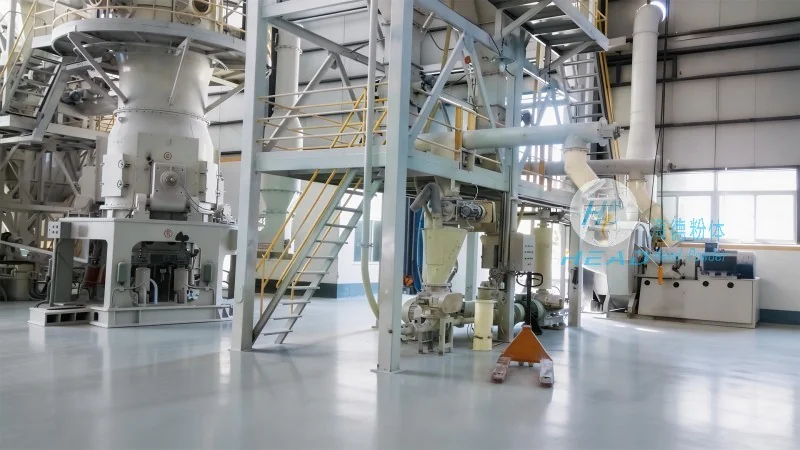
Considerations for System Selection and Installation
When selecting a pneumatic conveying system for sugar handling, several factors must be considered to ensure the best fit for the specific application. These include the type of sugar being conveyed (e.g., granular vs. powdered), the required flow rate, the distance to be covered, and the available space for installation. It is also important to consider the material's properties, such as moisture content and particle size distribution, as these can affect the system's performance and efficiency. Proper installation and maintenance are crucial to ensure the longevity and reliability of the system. Regular cleaning of the conveying line and components, as well as monitoring of air pressure and flow rates, can help prevent issues such as blockages, wear, and energy inefficiencies.
Conclusion
In conclusion, sugar material pneumatic conveying equipment is a highly effective and efficient solution for handling and transporting sugar in various industrial applications. By leveraging the principles of air-based transport, these systems offer numerous advantages over traditional mechanical conveyors, including improved hygiene, flexibility, and safety. When properly designed and maintained, pneumatic conveying systems can significantly enhance the productivity and reliability of sugar processing operations. As a leading provider in the industry, Shandong HeadPowder Engineering Co., Ltd. specializes in designing and manufacturing customized pneumatic conveying solutions tailored to the specific needs of sugar processing facilities, ensuring optimal performance and long-term operational success.