This section introduces the concept of SiC (Silicon Carbide) pneumatic conveying systems, highlighting their role in material handling and processing. The system is designed to transport fine powders and granular materials efficiently through a pressurized air stream, offering a reliable solution for industries requiring precise and controlled material movement. In modern industrial applications, such as the production of refractory materials, ceramics, and chemical products, the efficient handling of SiC powder is critical for maintaining product quality and operational efficiency. The SiC pneumatic conveying system addresses these needs by providing a seamless and automated method to move the material from the source to the processing or storage location.
Company Overview: Shandong HeadPowder Engineering Co., Ltd.
HeadPowder, a leading manufacturer based in Shandong, China, specializes in the design, development, and production of advanced material handling equipment. With a strong commitment to quality and innovation, the company has established itself as a trusted partner for businesses seeking efficient and durable solutions for their material processing needs. HeadPowder's team of engineers and technicians leverages years of experience in the industry to develop customized solutions that meet the unique requirements of each client. The company adheres to international standards and uses advanced manufacturing techniques to ensure the highest quality of its products.
What is a SiC Pneumatic Conveying System?
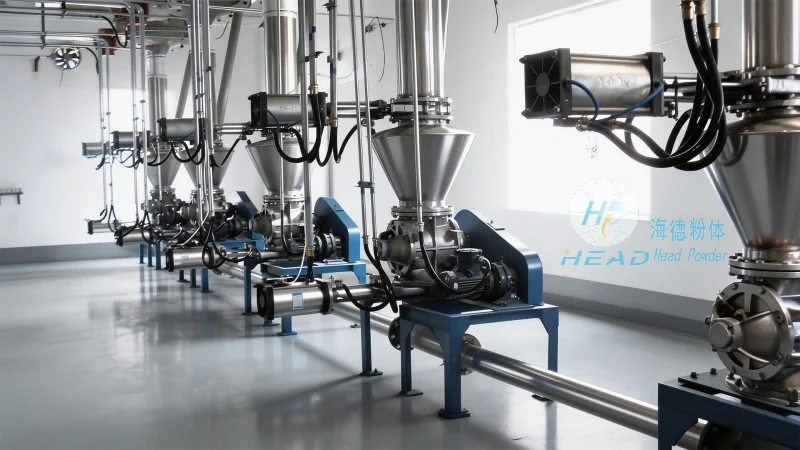
A SiC pneumatic conveying system is a type of equipment used to transport solid materials, such as silicon carbide powder, through a pipeline using a pressurized air or gas stream. This system combines the material with an air flow, creating a slurry that is then conveyed to the destination. The system typically includes components like a hopper, feeder, air compressor, and discharge unit, all working in tandem to ensure smooth and continuous material transport. The hopper serves as the storage container for the SiC powder, while the feeder controls the flow rate of the material into the system. The air compressor generates the necessary pressure to move the material through the pipeline, and the discharge unit collects the material at the end of the conveying line.
Key Features and Applications
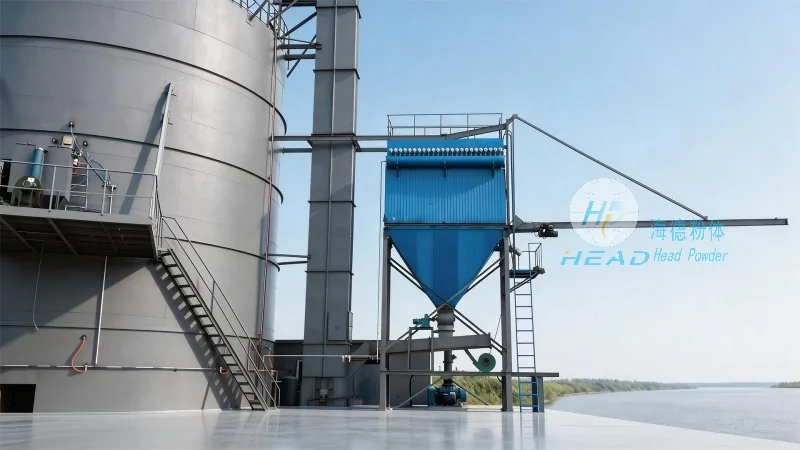
The SiC pneumatic conveying system offers several key features that make it suitable for various industrial applications. These include high efficiency in material transport, minimal product degradation due to gentle handling, and the ability to handle fine powders without clogging. Common applications include the chemical industry, ceramics manufacturing, and the production of refractory materials, where the precise control of SiC powder is crucial for product quality. For example, in the production of silicon carbide-based ceramics, the system ensures that the powder is transported without agglomeration, which can affect the final product's density and strength. Similarly, in chemical processes that involve SiC as a raw material, the system maintains the purity of the powder by preventing contamination from the environment.
Design Principles of the System
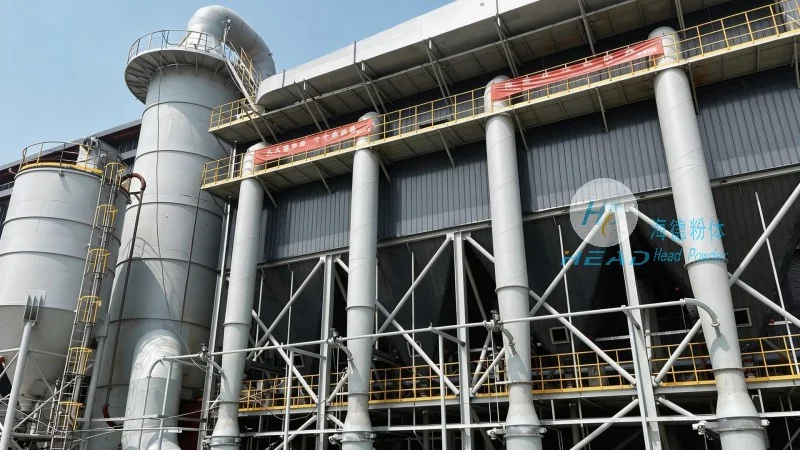
The design of a SiC pneumatic conveying system is based on several fundamental principles to ensure optimal performance. The system operates under positive pressure, where the air compressor generates sufficient pressure to move the material through the pipeline. The velocity of the air stream is carefully controlled to maintain the material in a suspended state, preventing deposition and ensuring uniform flow. The system also incorporates features like air filtration and moisture control to maintain the quality of the conveyed material. The air filtration system removes any particulate matter from the air stream, preventing it from contaminating the SiC powder. The moisture control system, such as a desiccant or heating element, ensures that the powder remains dry and free from moisture, which can affect its properties.
Technical Specifications and Performance
Technical specifications of the SiC pneumatic conveying system vary based on the specific requirements of the application. Typical parameters include the conveying capacity, which can range from a few kilograms per hour to several tons per hour, depending on the system size and design. The system's pressure range is usually between 0.5 to 10 bar, with the air flow rate adjusted to match the material's properties. Performance indicators include the system's efficiency, which measures the ratio of material transported to the energy consumed, and the overall reliability, which reflects the system's ability to operate continuously without frequent maintenance. For instance, a well-designed system may achieve an efficiency of 80% or higher, meaning that 80% of the energy input is used to transport the material, while the remaining 20% is lost as heat or pressure drop in the pipeline. The reliability of the system is typically measured by its mean time between failures (MTBF), which can range from several hundred to several thousand hours, depending on the quality of the components and the operating conditions.




