

What is a Sodium Hypochlorite Material Pneumatic Conveying System? What are the Design Principles?
Sodium hypochlorite is a widely used chemical in various industrial applications, including water treatment, disinfection, and cleaning processes. The efficient and safe handling of this chemical is crucial for maintaining operational efficiency and ensuring compliance with safety standards. A pneumatic conveying system specifically designed for sodium hypochlorite materials offers a reliable solution for transporting these substances from storage to processing areas. This article explores the fundamental aspects of such systems, including their design principles and key components.
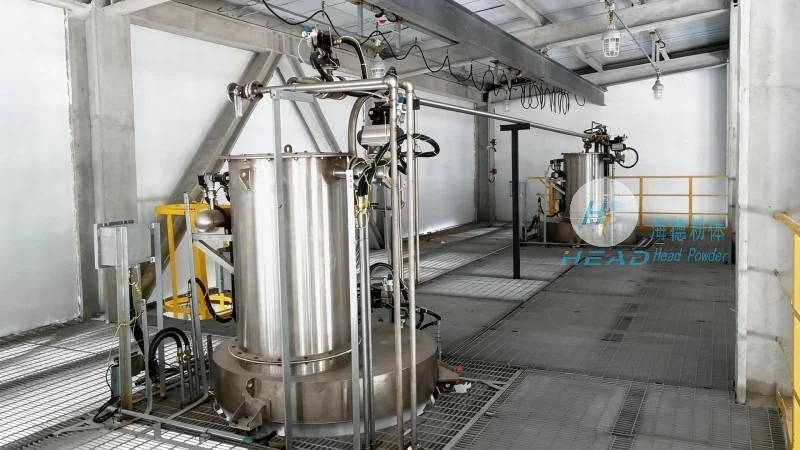
Key Components of a Sodium Hypochlorite Pneumatic Conveying System
The core components of a sodium hypochlorite material pneumatic conveying system typically include a storage tank, a pump or feed mechanism, a conveying line, and a receiver or processing unit. The storage tank is designed to hold the liquid sodium hypochlorite under appropriate conditions, such as temperature control to prevent degradation. The feed mechanism, often a positive displacement pump or a metering pump, ensures a consistent flow rate of the liquid into the conveying line. The conveying line, usually made of corrosion-resistant materials like stainless steel or specialized plastics, transports the sodium hypochlorite through the system. The receiver or processing unit is where the material is deposited for further use, such as in a water treatment plant or a disinfection facility.
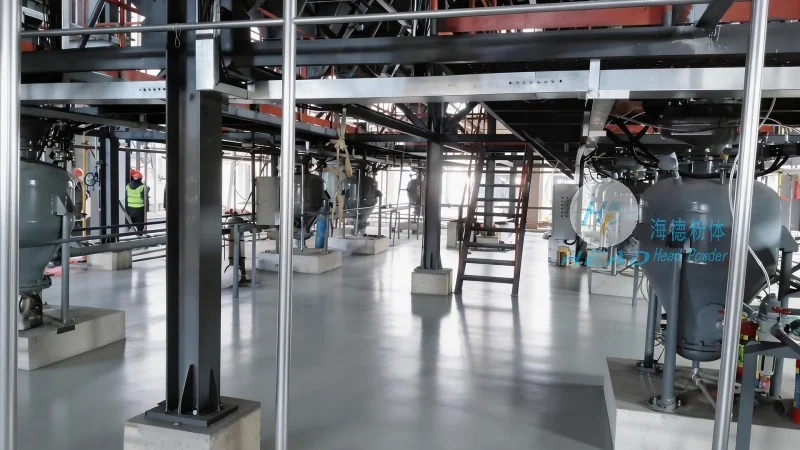
Design Principles for Efficient and Safe Operation
The design of a sodium hypochlorite pneumatic conveying system must adhere to several critical principles to ensure optimal performance and safety. First, corrosion resistance is paramount due to the chemical nature of sodium hypochlorite, which can be aggressive to many materials. Therefore, components like tanks, pipes, and valves are typically constructed from materials like 316L stainless steel or specialized polymeric materials that can withstand the chemical environment. Second, the system must maintain a consistent pressure and flow rate to prevent clogging or uneven distribution of the material. This is achieved through the use of pressure regulators, flow meters, and appropriate pump selection. Third, safety considerations are integral to the design, including proper ventilation to manage any potential fumes or vapors, and emergency shut-off mechanisms to prevent over-pressurization or leaks. Additionally, the system should be designed for easy maintenance and cleaning to minimize downtime and ensure long-term reliability.
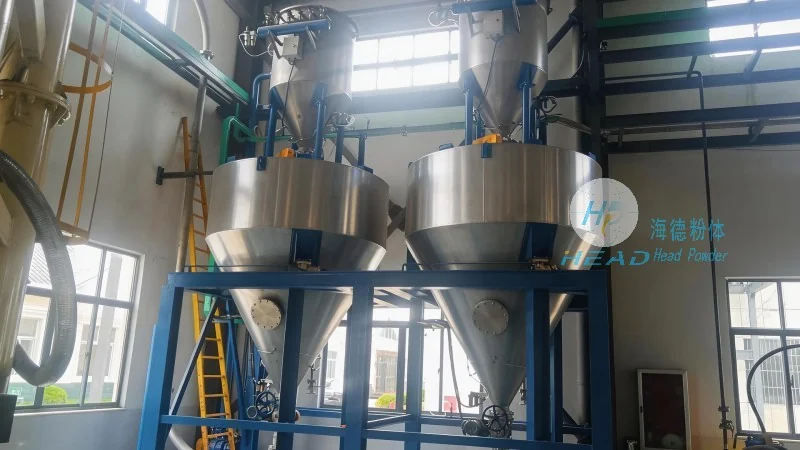
Operational Considerations and Maintenance
Proper operation and regular maintenance are essential for the longevity and efficiency of a sodium hypochlorite pneumatic conveying system. Regular inspections of the storage tank for signs of corrosion or degradation are necessary to prevent leaks or contamination. The pump and feed mechanism should be checked for wear and tear, and lubricated as per the manufacturer's specifications. The conveying line should be inspected for blockages or damage, and cleaned periodically to remove any buildup of the material. Additionally, monitoring the system's pressure and flow rates during operation helps identify any issues early, allowing for timely intervention. By adhering to a regular maintenance schedule, the system can operate at peak efficiency, minimizing downtime and ensuring consistent performance.
Applications and Benefits
Sodium hypochlorite material pneumatic conveying systems are widely used in various industries, particularly in water treatment and disinfection. In water treatment plants, these systems efficiently transport sodium hypochlorite to the point of use, ensuring consistent disinfection levels. In industrial cleaning applications, the system allows for the safe and controlled delivery of the chemical to cleaning equipment. The benefits of such systems include improved safety due to enclosed handling, reduced labor costs by automating the transport process, and enhanced efficiency through consistent flow rates. Additionally, the use of corrosion-resistant materials and proper design minimizes the risk of leaks or spills, contributing to a safer working environment.
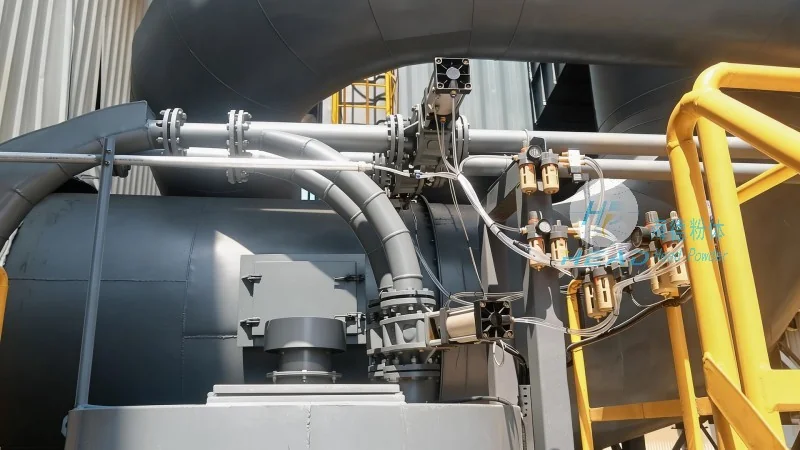
About Shandong HeadPowder Engineering Co., Ltd.
Shandong HeadPowder Engineering Co., Ltd., operating under the brand name headpowder, is a leading provider of specialized engineering solutions for chemical handling and processing. With a focus on innovation and quality, the company designs and manufactures pneumatic conveying systems tailored to the specific needs of its clients. Headpowder's expertise in material handling, particularly for corrosive chemicals like sodium hypochlorite, ensures that their systems are reliable, efficient, and safe. The company's commitment to customer satisfaction and technical excellence has made it a trusted partner in various industrial sectors, helping businesses optimize their chemical handling processes and improve overall operational performance.