

What is a Foam Plastic Material Pneumatic Conveying System? And What Are Its Design Principles?
For industries dealing with foam plastic materials, efficient material handling is crucial. A pneumatic conveying system offers a solution that minimizes material degradation while ensuring smooth transport. This article explores what a foam plastic material pneumatic conveying system is and the underlying design principles that make it effective.
Understanding the Foam Plastic Material Pneumatic Conveying System
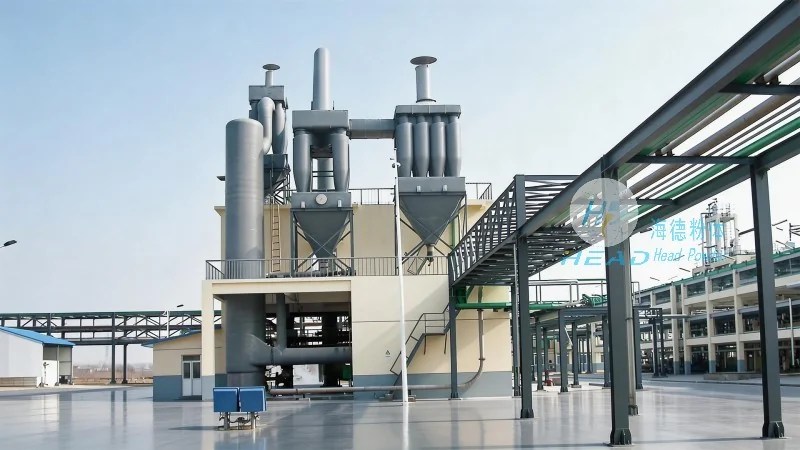
At its core, a foam plastic material pneumatic conveying system is a method of transporting bulk materials through a pipeline using a pressurized air or gas stream. Unlike traditional mechanical conveyors, this system relies on air flow to move the material, which is particularly advantageous for delicate or lightweight foam plastics that could be damaged by mechanical contact. The system typically consists of a hopper for material storage, a feeder to control the flow rate, a conveying line, and a receiver for the discharged material. The entire setup is designed to handle the unique properties of foam plastics, such as their low density and susceptibility to static electricity.
Key Design Principles for Pneumatic Conveying Systems
The effectiveness of a foam plastic material pneumatic conveying system hinges on several key design principles. First, the system must maintain a consistent air velocity to ensure the material is fully suspended and transported without clogging. The air velocity is typically calculated based on the material's particle size, density, and flow characteristics. Second, the system incorporates static charge control measures, as foam plastics are prone to generating static electricity, which can cause material buildup or even fire hazards. This is often achieved through grounding systems or the use of anti-static additives. Third, the design considers the material's dustiness and potential for particle separation. The conveying line is usually equipped with filters and cyclones to separate any fine particles from the air stream, preventing contamination and ensuring the material remains in a usable state. Additionally, the system's pressure and flow rates are optimized to minimize energy consumption while maintaining reliable performance.
Components and Their Functions in the System
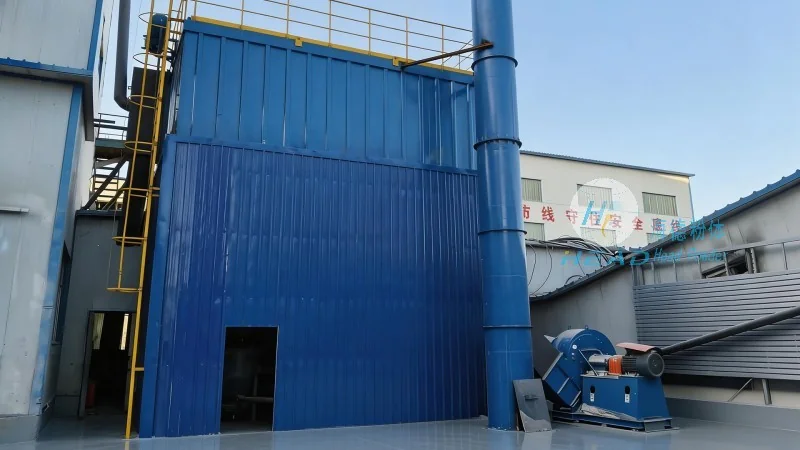
Each component of the foam plastic material pneumatic conveying system plays a critical role in its operation. The hopper serves as the storage vessel, providing a controlled feed of material to the system. It is designed with a sloped bottom to facilitate material flow and prevent bridging, which is common in lightweight materials like foam plastics. The feeder, often a rotary valve or a venturi feeder, regulates the material discharge rate, ensuring a steady flow into the conveying line. The conveying line itself is made of materials resistant to the foam plastic's properties, such as stainless steel or specialized plastic liners, to prevent corrosion or material adhesion. The receiver, typically a large tank or hopper, collects the conveyed material and allows it to settle before use. In some systems, a dust collection system is integrated to capture any airborne particles, improving air quality and compliance with environmental regulations.
Benefits of Using a Foam Plastic Material Pneumatic Conveying System
Implementing a pneumatic conveying system for foam plastic materials offers numerous benefits. Firstly, it reduces material handling time and labor costs compared to manual or mechanical methods. The automated process ensures consistent and reliable transport, even for large quantities. Secondly, it minimizes material degradation, as the system avoids mechanical contact that can cause compression or breakage of the foam structure. This is particularly important for applications where the foam's density and porosity are critical, such as in packaging or insulation. Thirdly, the system improves workplace safety by eliminating the need for manual handling of bulk materials, reducing the risk of accidents and exposure to dust. Additionally, the system can be integrated with other processing equipment, creating a seamless material flow from storage to production, enhancing overall operational efficiency.
Application Examples in Industry
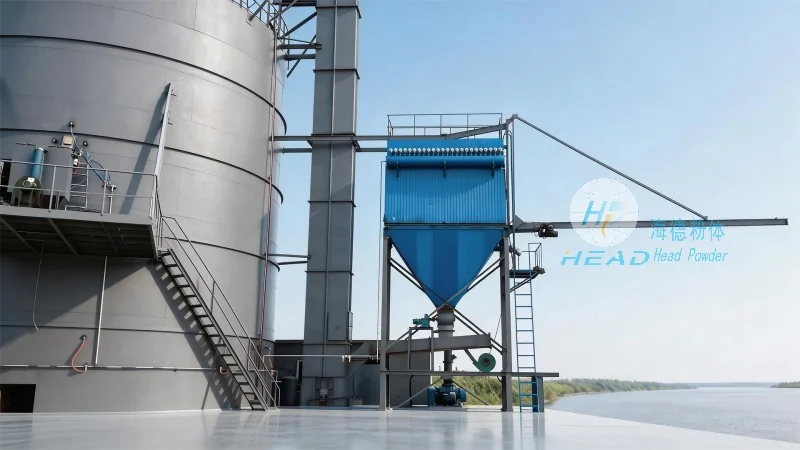
Foam plastic material pneumatic conveying systems are widely used in various industries. In the packaging industry, they are employed to transport foam packaging materials from storage to production lines, ensuring a continuous supply of raw materials. In the construction sector, they are used to convey foam insulation materials to job sites, where they are then installed in walls or roofs. The automotive industry also utilizes these systems to transport foam components, such as seat cushions or interior panels, from manufacturing to assembly lines. Each application leverages the system's ability to handle lightweight, delicate materials efficiently and safely, contributing to improved productivity and product quality.
Conclusion
A foam plastic material pneumatic conveying system is a sophisticated and effective solution for handling bulk foam plastics. By adhering to key design principles and incorporating specialized components, the system ensures reliable, low-damage transport of these materials. The benefits, including increased efficiency, reduced material degradation, and enhanced safety, make it a valuable investment for industries dealing with foam plastics. As technology advances, these systems continue to evolve, offering even more efficient and sustainable solutions for material handling.