HeadPowder, a leading engineering company based in Shandong, China, specializes in the design and implementation of efficient cassava material conveying systems. These systems are crucial for optimizing the processing of cassava, a staple crop widely used in food and biofuel production. The core of such a system lies in its ability to transport cassava materials—like fresh or dried cassava roots, chips, or flour—throughout the processing facility with minimal human intervention and maximum operational efficiency.
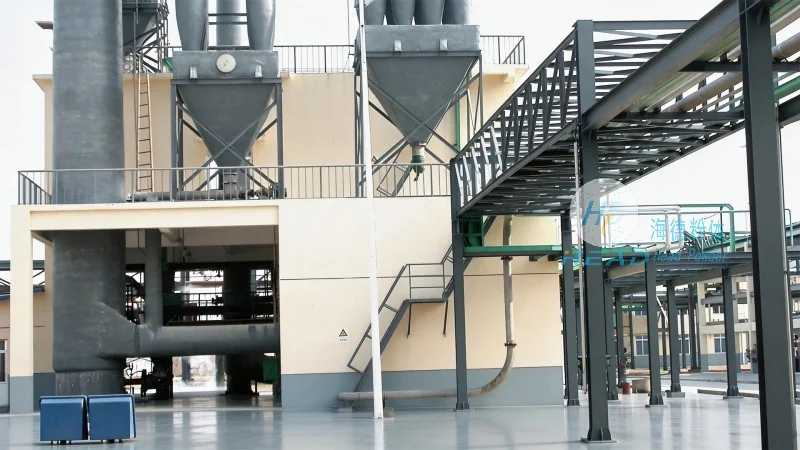
Principles of Cassava Material Conveying Lines
The fundamental principle behind cassava material conveying lines is the integration of mechanical components to create a seamless flow of materials. At the heart of this system are conveyor belts, which are often made from durable materials like rubber or PVC to withstand the abrasiveness of cassava particles. These belts are supported by rollers or chains that ensure smooth movement and reduce friction, minimizing energy consumption. Additionally, the system incorporates control mechanisms, such as variable frequency drives (VFDs), which adjust the speed of the conveyor based on the material load and processing requirements. This dynamic adjustment helps maintain consistent material flow, preventing bottlenecks or overloading of downstream equipment.
Working Scene Characteristics of Cassava Material Conveying Lines
The working scene characteristics of cassava material conveying lines are tailored to the specific demands of cassava processing facilities. These systems are typically designed for high-capacity operations, capable of handling large volumes of cassava materials in a continuous manner. For instance, in a cassava starch production plant, the conveying line might start with a reception hopper that collects raw cassava roots, followed by a washing and peeling station. The processed cassava then moves through a series of conveyors to a dewatering unit, and finally to a milling or grinding stage. Each segment of the line is optimized for a specific task, ensuring that materials are transported efficiently without degradation or loss.
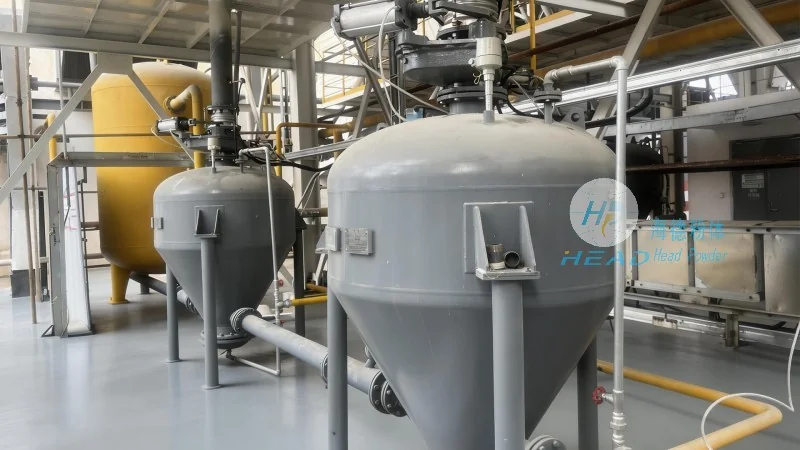
Key Features and Benefits in Operational Scenarios
In various operational scenarios, cassava material conveying lines offer several advantages that enhance overall processing efficiency. One key feature is the ability to handle different forms of cassava materials, from whole roots to fine flour, through modular conveyor designs. This flexibility allows processing plants to adapt to changing production needs, such as shifting from starch production to bioethanol or cassava flour manufacturing. Another benefit is the reduction in labor costs, as automated conveying systems minimize the need for manual handling, which is both labor-intensive and prone to human error. Furthermore, these systems contribute to improved product quality by maintaining consistent material flow and preventing contamination from dust or debris. The controlled environment of the conveying line also helps preserve the nutritional value of the cassava, which is critical for food and feed applications.
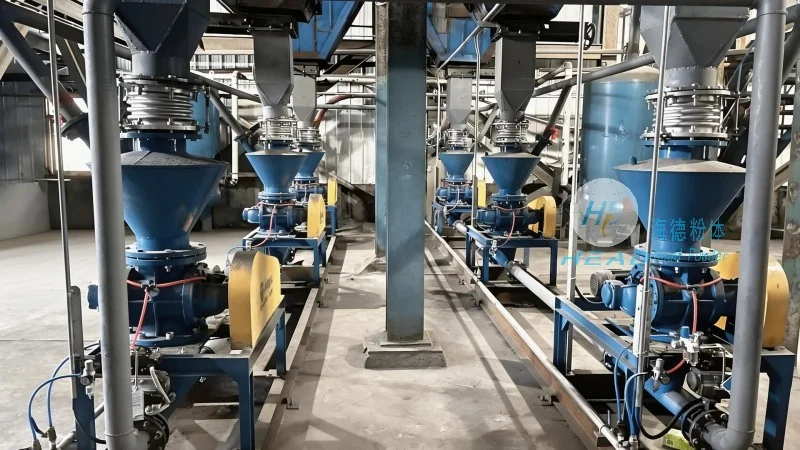
Integration with Processing Equipment
The effectiveness of a cassava material conveying line is closely tied to its integration with other processing equipment. For example, in a cassava processing facility, the conveying line may connect directly to a hammer mill or a screw press, ensuring a steady supply of raw material. This integration is crucial for maintaining the throughput of the entire production line, as any disruption in material flow can lead to downtime and reduced productivity. The design of the conveying system must consider the compatibility of its components with the downstream equipment, such as the size of the conveyor belt and the speed of the rollers, to ensure smooth material transfer. Additionally, the system may include sensors and monitoring devices to track the flow rate and detect any blockages or malfunctions, allowing for immediate troubleshooting and maintenance.
Customization for Specific Processing Needs
HeadPowder recognizes that different cassava processing facilities have unique requirements, and thus offers customized conveying solutions. These solutions are tailored to the specific characteristics of the raw materials, the scale of production, and the final product goals. For instance, a small-scale processing plant might require a simpler conveying line with a lower capacity, while a large industrial facility might need a more complex system with multiple conveyors and automated sorting mechanisms. The customization process involves detailed analysis of the client's operational needs, including the type of cassava being processed, the desired output, and the available space in the facility. By working closely with clients, HeadPowder ensures that the conveying line is optimized for maximum efficiency and minimal operational costs.




