Understanding the core principles and operational characteristics of dry sludge material conveying lines is essential for industries dealing with sludge processing and material handling. These systems are designed to efficiently transport dry or semi-dry sludge, offering a reliable solution for various industrial applications.
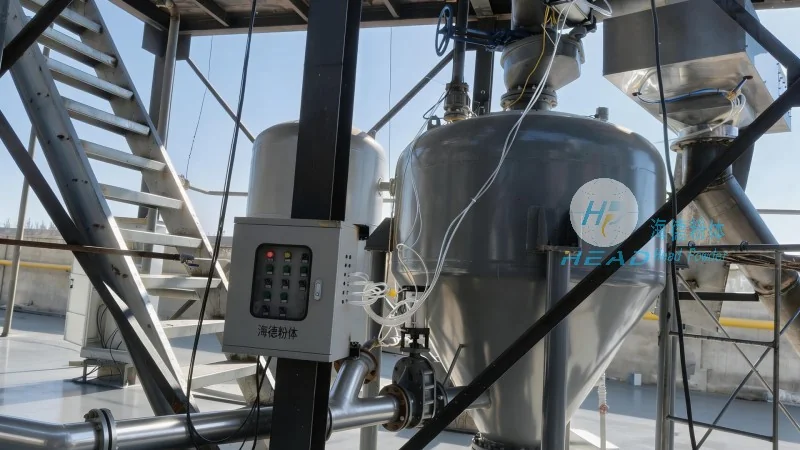
Principles of Operation
The fundamental principle behind dry sludge material conveying lines involves the use of specialized equipment to move sludge through a system without the need for water or other liquids. This dry conveying method is particularly effective for handling sludge that has been dewatered, reducing the volume and weight of the material while maintaining its structural integrity. The process typically includes components such as feed hoppers, conveyor belts or screw conveyors, and control systems that regulate the flow and speed of the sludge. By eliminating the need for wet handling, these systems minimize the risk of contamination and improve overall operational efficiency.
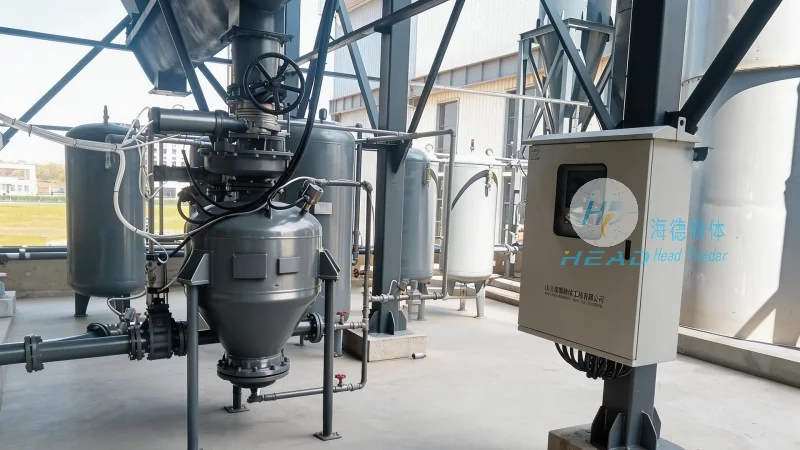
Working Scene Characteristics
Dry sludge material conveying lines are widely used in industrial settings where sludge management is critical. Common applications include wastewater treatment plants, industrial manufacturing facilities, and waste management operations. The key characteristics of these working scenes include high-volume material handling, the need for consistent and reliable operation, and the requirement for minimal maintenance. In wastewater treatment plants, for example, these systems are used to transport dewatered sludge from the thickening or drying stages to storage or disposal areas. In manufacturing facilities, they may be employed to move sludge generated during production processes, such as in food processing or chemical industries. The working environment often involves varying temperatures and humidity levels, which the conveying systems are engineered to withstand, ensuring consistent performance under different conditions.
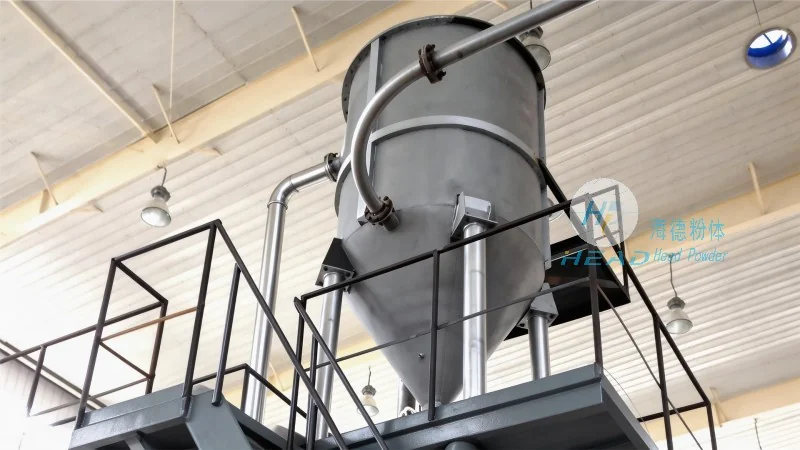
Key Features and Benefits
HeadPowder, a leading provider of engineering solutions, offers advanced dry sludge material conveying lines that incorporate several key features to enhance performance and reliability. These systems are designed with durable materials to withstand the abrasive nature of sludge, reducing wear and tear over time. The conveyor components, such as belts or screws, are equipped with special coatings or materials that prevent sludge buildup and ensure smooth operation. Additionally, the control systems are integrated with sensors and monitoring tools that provide real-time data on the conveying process, allowing for immediate adjustments if issues arise. The benefits of using these systems include reduced energy consumption compared to wet conveying methods, lower operational costs due to less water usage, and improved safety by minimizing the risk of slips or spills associated with wet sludge handling.
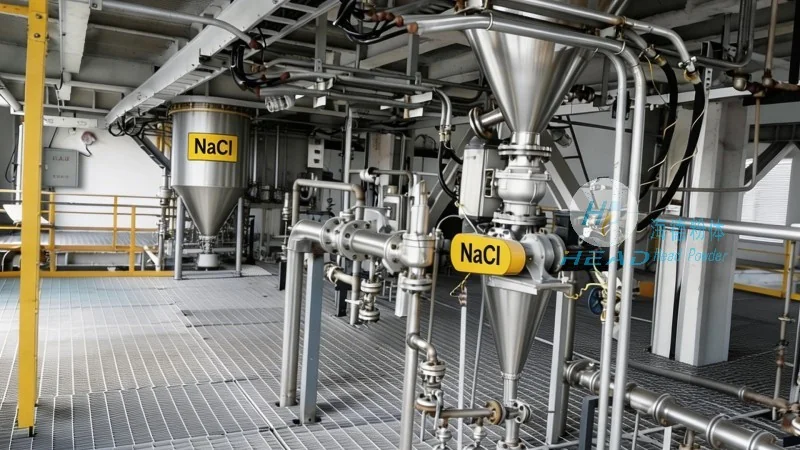
Application Examples
Real-world applications of dry sludge material conveying lines demonstrate their versatility and effectiveness in various industrial scenarios. In a wastewater treatment plant in Shandong, China, HeadPowder's system was installed to transport dewatered sludge from the belt filter press to a storage silo. The system operates continuously, handling up to 50 tons of sludge per hour, with minimal downtime. The customer reported significant improvements in operational efficiency and reduced maintenance costs compared to previous wet conveying methods. Another example is in a food processing plant, where the system was used to move sludge generated from the meat processing line to a waste treatment facility. The dry conveying system allowed for faster processing and reduced the risk of cross-contamination, meeting strict hygiene standards. These case studies highlight the practical benefits of using dry sludge material conveying lines in different industrial environments.




