Spices powder conveying systems are essential in the food processing industry, especially for handling delicate and aromatic powders. Understanding the equipment and its design principles is crucial for optimizing production efficiency and maintaining product quality. This article explores the components, functionality, and engineering behind these systems, providing insights into how they operate and why their design is critical.
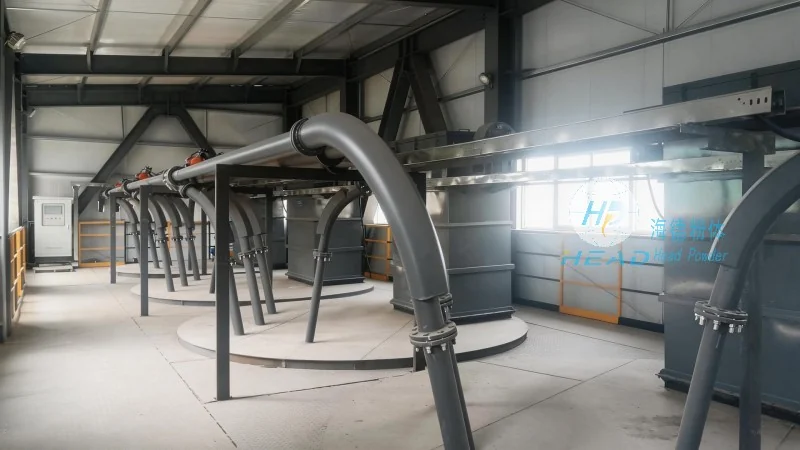
Shandong HeadPowder Engineering Co., Ltd. is a leading manufacturer specializing in powder handling solutions. With years of experience, they have developed advanced systems tailored to the unique needs of the spice industry. The company's expertise in material science and engineering ensures that their products meet the highest standards of performance and reliability.
Core Components of a Spices Powder Conveying System
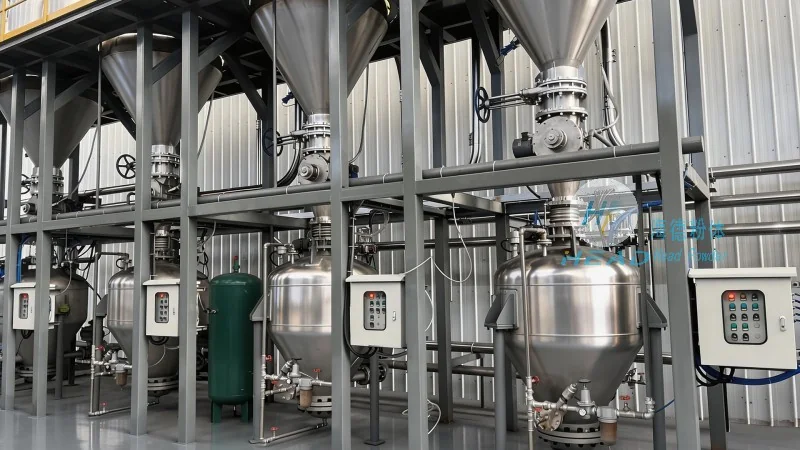
The core of a spices powder conveying system is the equipment designed to transport powders from one location to another. These systems typically include components such as hoppers, feeders, conveyors, and control panels. The design of each component is critical to ensure efficient and safe operation. The hopper is used to store the spices and feed them into the system. The feeder controls the flow rate of the powder, ensuring a consistent and controlled feed. The conveyor transports the powder through the system, and the control panel monitors and regulates the operation of all components.
Design Principles of Spices Powder Conveying Systems
The design principles of spices powder conveying systems focus on several key factors. First, material handling efficiency is paramount. The system must be able to handle the specific properties of spices, such as their density, flowability, and moisture content. Second, the system must maintain product integrity. This means preventing contamination, segregation, and degradation of the spices during transport. Third, energy efficiency and operational costs are important considerations. A well-designed system minimizes energy consumption while maximizing throughput. Fourth, safety and compliance are critical. The equipment must adhere to industry standards and regulations to ensure the safety of operators and the quality of the final product.
Pneumatic Conveying Systems: A Common Solution
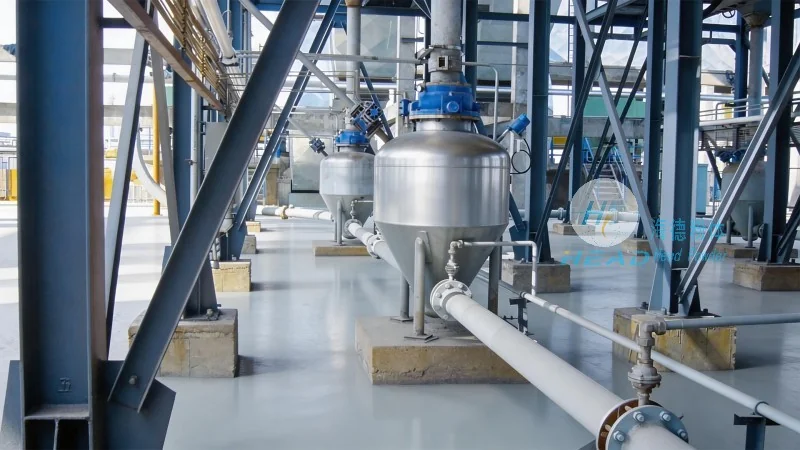
One of the most common types of spices powder conveying systems is the pneumatic conveying system. This method uses compressed air to move the powder through a pipeline. The system typically consists of a hopper, a rotary valve, a pressure vessel, and a control unit. The powder is fed into the hopper, and then a rotary valve controls the flow of powder into the pressure vessel. Compressed air is then introduced, creating a pressure difference that propels the powder through the pipeline to the destination. This method is ideal for handling fine powders and can be used over long distances. The design of the pneumatic system must consider factors such as air pressure, pipeline diameter, and the type of powder being conveyed to ensure optimal performance.
Key Design Considerations for Spices Handling
When designing a spices powder conveying system, engineers must consider several factors. The first is the material properties of the spices. Different spices have different particle sizes, densities, and flow characteristics. For example, ground pepper has smaller particles and higher density compared to cumin, which has larger particles and lower density. The system must be designed to handle these variations. Second, the system must be able to handle the moisture content of the spices. Spices can be hygroscopic, meaning they absorb moisture from the air. This can affect their flowability and cause clogging in the system. Therefore, the design must include features to control moisture, such as drying or sealing. Third, the system must be easy to clean and maintain. The equipment should be designed with smooth surfaces and easy-to-remove components to prevent the buildup of spices and facilitate cleaning. This is important for maintaining product quality and complying with hygiene standards.
Advantages of a Well-Designed Spices Powder Conveying System
The use of a well-designed spices powder conveying system offers several advantages. First, it improves production efficiency by reducing the time and labor required to transport powders. The automated system can operate continuously, increasing throughput and reducing downtime. Second, it maintains product quality by preventing contamination and segregation. The enclosed system ensures that the spices remain in a controlled environment, free from external contaminants. Third, it enhances safety by reducing the risk of manual handling. The system minimizes the exposure of operators to the powders, reducing the risk of respiratory issues or other health problems. Fourth, it reduces operational costs by minimizing energy consumption and maintenance requirements. A well-designed system is more efficient and requires less maintenance, leading to lower long-term costs.
In conclusion, spices powder conveying systems are essential equipment in the food processing industry. The design principles behind these systems are critical to ensuring efficient, safe, and cost-effective operation. By understanding the components and functionality of these systems, manufacturers can optimize their production processes and maintain the quality of their products. Shandong HeadPowder Engineering Co., Ltd. specializes in providing advanced powder handling solutions tailored to the unique needs of the spice industry, helping businesses improve their efficiency and product quality.




