

What is a Negative Pressure Vacuum Powder Pneumatic Conveying System? And What Are Its Design Princi
This article aims to provide a comprehensive understanding of negative pressure vacuum powder pneumatic conveying systems, focusing on their design principles and practical applications. Such systems are widely used in various industries for the efficient and safe transportation of bulk powders over short to medium distances. The core concept revolves around creating a vacuum in the conveying line to draw powder from the source to the destination, ensuring minimal product contamination and energy efficiency.
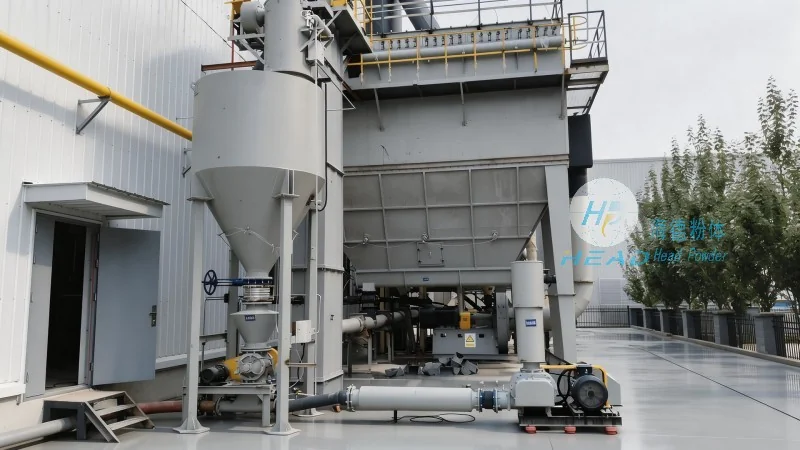
What is a Negative Pressure Vacuum Powder Pneumatic Conveying System?
A negative pressure vacuum powder pneumatic conveying system is a type of pneumatic conveying equipment that operates by generating a vacuum within the pipeline. This vacuum pulls the powder material from the loading point to the discharge point. The system typically includes components like a vacuum pump, a hopper for material storage, a filter to separate powder from air, and a control system to regulate the conveying process. The primary advantage of this design is its ability to handle sensitive powders without exposing them to high pressure or air currents that could cause degradation or contamination.
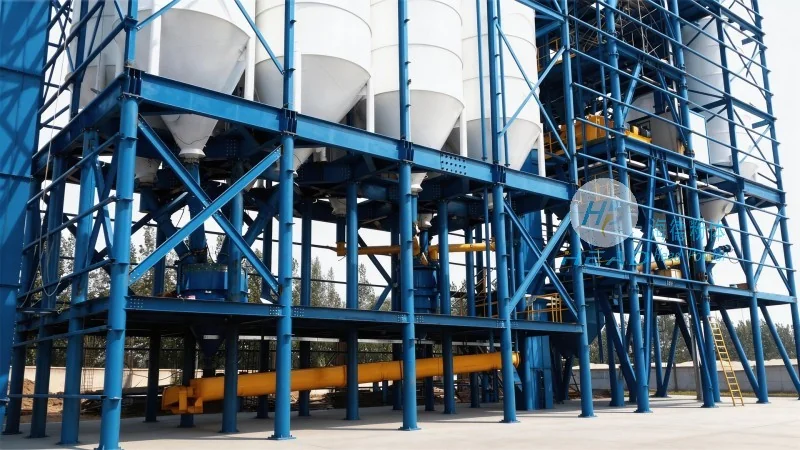
Key Design Principles of This System
The design of a negative pressure vacuum powder pneumatic conveying system is governed by several critical principles to ensure optimal performance. First, the system must maintain a consistent vacuum level throughout the pipeline to achieve reliable material transport. This is achieved through the selection of an appropriate vacuum pump with sufficient capacity to overcome the system's resistance. Second, the pipeline layout is crucial; it should be as short and direct as possible to minimize pressure drop and energy consumption. Third, the material's properties, such as particle size, density, and moisture content, are considered to determine the optimal conveying velocity and air flow rate. Fourth, the inclusion of a filter and dust collection system is essential to prevent powder loss and maintain air quality. These principles collectively ensure the system operates efficiently, safely, and with minimal maintenance.
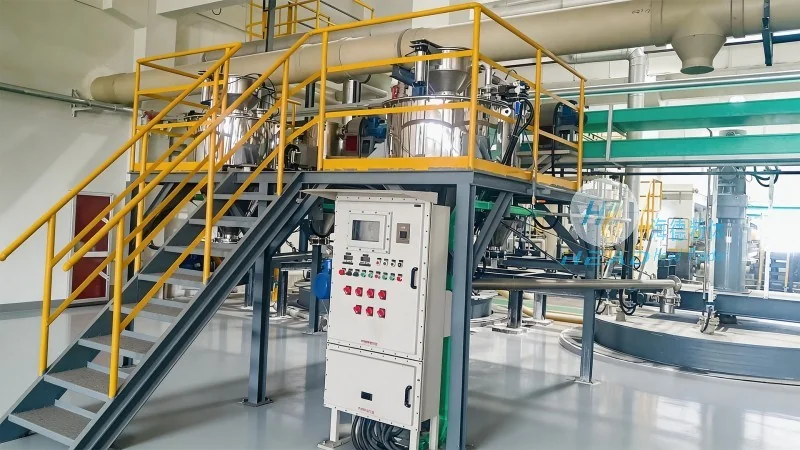
Company Profile: Shandong HeadPowder Engineering Co., Ltd.
HeadPowder, the manufacturer behind these advanced conveying systems, is a leading company in the field of powder handling technology. Based in Shandong, China, HeadPowder specializes in designing, manufacturing, and supplying high-quality pneumatic conveying equipment tailored to the needs of various industries. The company's team of engineers and technicians leverages years of experience to develop customized solutions that meet specific operational requirements. HeadPowder's products are known for their durability, efficiency, and compliance with international safety and environmental standards. By partnering with HeadPowder, clients gain access to reliable equipment that enhances productivity and ensures the integrity of their powder materials.
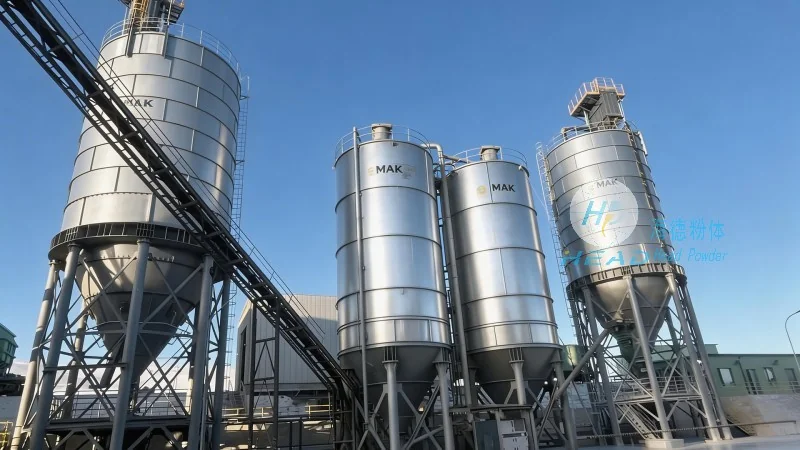
Application and Advantages of the System
Negative pressure vacuum powder pneumatic conveying systems find applications in numerous sectors, including pharmaceuticals, food processing, chemical manufacturing, and mining. In the pharmaceutical industry, for example, the system's ability to handle sensitive powders without contamination makes it ideal for transporting active ingredients and excipients. In food processing, it ensures that powders like flour, sugar, and spices are conveyed hygienically, maintaining product quality and safety. The advantages of this system over other conveying methods include reduced product degradation, lower energy consumption, and the ability to transport powders over longer distances with minimal loss. Additionally, the system's compact design and ease of integration into existing production lines make it a preferred choice for many manufacturers. By understanding the design principles and applications of this technology, businesses can optimize their material handling processes and improve overall operational efficiency.