HeadPowder, a leading provider in the field of material handling solutions, specializes in the design and implementation of pneumatic conveying systems tailored for secondary zinc oxide material. This article delves into the fundamental principles underlying pneumatic conveying technology and highlights the key characteristics of its application scenarios.
Understanding Pneumatic Conveying: Core Principles
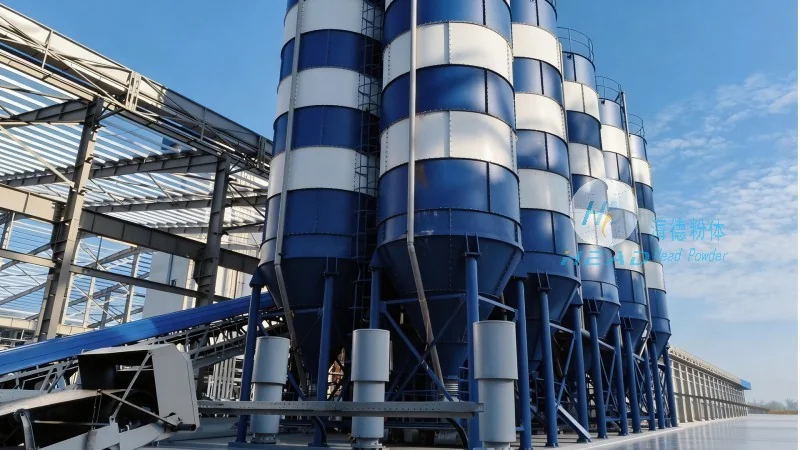
Pneumatic conveying is a method of transporting bulk materials through a pipeline using a stream of air or gas. For secondary zinc oxide material, this technology offers a highly efficient and flexible solution compared to traditional mechanical conveying methods. The process typically involves creating a pressure differential within the conveying system, which propels the material through the pipeline. Key components of a pneumatic conveying system include the material feed hopper, the conveying line, the air supply system (such as a blower or compressor), and the discharge equipment. The selection of the appropriate conveying type—whether it's a pressure system (where air is introduced at the material inlet) or a vacuum system (where air is drawn from the discharge end)—depends on factors like material properties, distance, and system layout. For secondary zinc oxide, which often has fine particle sizes and can be prone to dust generation, the choice of conveying system is critical to ensure efficient transport while maintaining material integrity and minimizing environmental impact.
Working Scene Characteristics: Application Scenarios
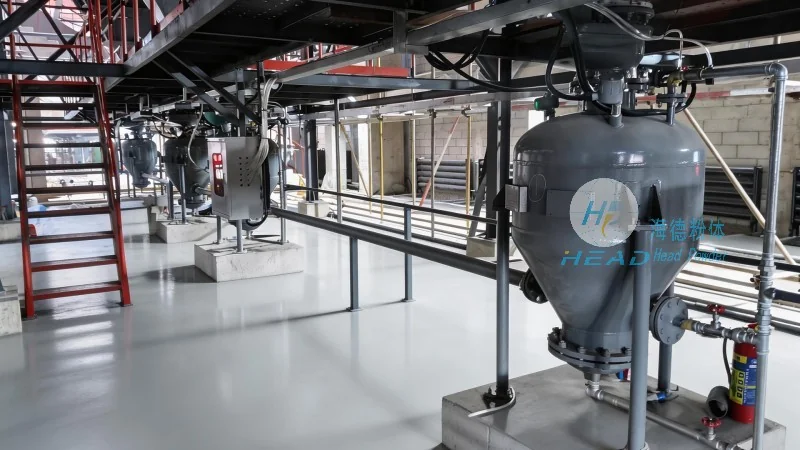
The application of pneumatic conveying for secondary zinc oxide material is characterized by several distinct working scene features that influence system design and performance. One primary scenario involves the handling of material in industrial production lines, where the material is transported from storage silos to processing equipment, such as ball mills or reactors. In such cases, the conveying system must be capable of handling high volumes of fine particles while maintaining consistent flow rates to avoid clogging or uneven material distribution. Another common scenario is the transfer of material between different processing stages within a manufacturing facility, such as from a drying unit to a packaging line. Here, the system needs to ensure that the material remains dry and free from contamination, which is essential for maintaining product quality. Additionally, the working scene may involve the handling of material in hazardous environments, where the conveying system must be designed with safety features to prevent dust explosions or other hazards. The characteristics of the working scene, including the distance between the feed and discharge points, the height of the conveying line, and the presence of obstacles or changes in elevation, all play a role in determining the optimal design of the pneumatic conveying system for secondary zinc oxide material.
System Design Considerations for Secondary Zinc Oxide Material
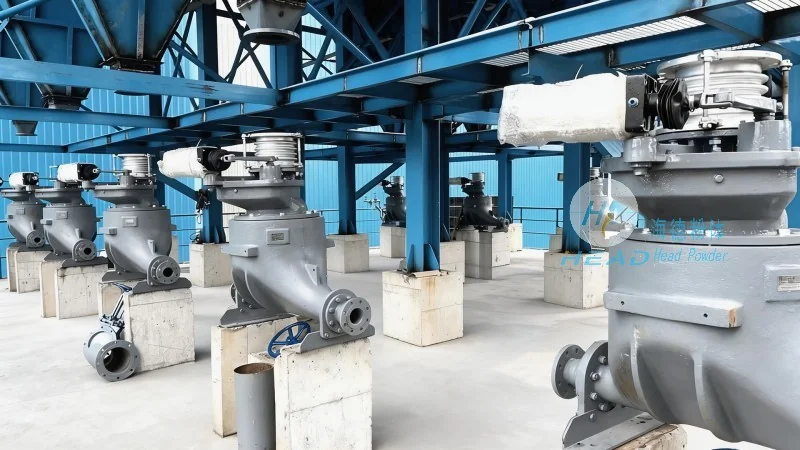
When designing a pneumatic conveying system for secondary zinc oxide material, several factors must be carefully considered to ensure optimal performance and reliability. First, the particle size distribution and density of the material are critical parameters. Secondary zinc oxide typically consists of fine particles, often with a median diameter ranging from 10 to 50 microns, which can affect the air velocity required for effective transport. The system must be designed to maintain a sufficient air velocity to prevent particle settling or clogging in the pipeline. Second, the moisture content of the material is another important factor. If the material is wet or contains moisture, it may require additional drying steps or a modified conveying system to prevent blockages. Third, the system must be equipped with appropriate filtration and dust collection equipment to comply with environmental regulations and ensure worker safety. The use of high-efficiency particulate air (HEPA) filters or cyclone separators can effectively capture fine particles and prevent dust emissions. Fourth, the system's control system plays a vital role in maintaining consistent operation. Automated controls can adjust air pressure, flow rate, and material feed rate in real-time, ensuring stable conveying performance and minimizing downtime. For secondary zinc oxide material, these design considerations are essential to achieve efficient, reliable, and safe operation of the pneumatic conveying system.
Advantages of Pneumatic Conveying for Secondary Zinc Oxide Material
Pneumatic conveying offers several advantages over traditional mechanical conveying methods for secondary zinc oxide material. One of the most significant advantages is its ability to handle fine, dusty materials without the need for additional equipment like conveyor belts or buckets. This reduces the risk of material degradation and contamination, which is crucial for maintaining product quality. Another advantage is the flexibility of the system, which can be easily modified to accommodate changes in material flow rates or processing requirements. The system can be expanded or reconfigured to meet the evolving needs of the production line. Additionally, pneumatic conveying systems are generally more compact and require less floor space compared to mechanical systems, making them suitable for facilities with limited space. The ability to transport material over long distances without intermediate storage or transfer points also enhances operational efficiency. Furthermore, the system can be integrated with other processing equipment, such as mixers or reactors, to create a seamless production flow. These advantages make pneumatic conveying an ideal solution for handling secondary zinc oxide material in various industrial applications.
Conclusion
In conclusion, pneumatic conveying is a highly effective and versatile technology for transporting secondary zinc oxide material. The principles of this technology, combined with careful consideration of working scene characteristics and system design, enable the development of efficient and reliable conveying systems. HeadPowder, with its expertise in material handling solutions, provides tailored pneumatic conveying systems that meet the specific needs of secondary zinc oxide material applications. By leveraging the advantages of pneumatic conveying, industries can improve operational efficiency, maintain product quality, and ensure safe and environmentally compliant material handling processes. As the demand for efficient material handling solutions continues to grow, the application of pneumatic conveying for secondary zinc oxide material remains a critical component of modern industrial operations.




