For industrial processes involving the handling of dry powder flocculants, air-driven conveying systems offer a reliable and efficient method to transport these materials. This article explores the fundamental principles behind this technology and highlights key application scenarios where it excels. By understanding how these systems operate, industries can optimize material handling, reduce operational costs, and enhance overall process efficiency.
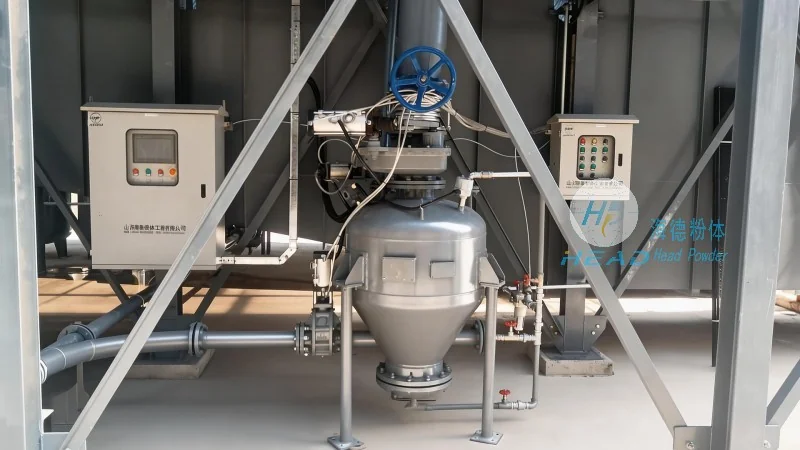
The Core Principles of Air-Driven Conveying
At its essence, air-driven conveying uses a combination of air pressure and flow to move dry powder materials through a pipeline. The process typically involves a blower or compressor that generates a flow of air, which then draws the powder particles into the conveying line. This method is often categorized into two main types: positive pressure and negative pressure systems. Positive pressure systems force air and material through the pipeline, while negative pressure systems create a vacuum to draw material into the line. The choice between these depends on factors such as material properties, distance, and system design. For flocculants, which are often fine powders with specific handling requirements, positive pressure systems are commonly preferred due to their ability to maintain consistent flow and prevent material degradation.
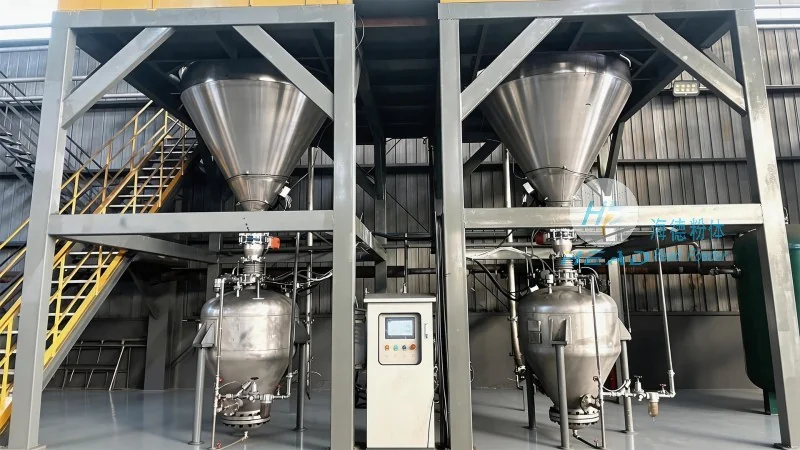
Key Characteristics of Flocculant Dry Powders and Their Impact on Conveying
Flocculants are chemical additives used to improve the settling and filtration properties of liquids, and their dry powder form requires careful handling to preserve their effectiveness. These powders often have unique characteristics, such as fine particle size, hygroscopic nature, or sensitivity to moisture. Air-driven conveying systems must be designed to accommodate these traits. For instance, the use of low-pressure, low-velocity conveying can minimize particle attrition and prevent agglomeration, which is critical for maintaining the flocculant's performance. Additionally, the system's components, including the hopper, feeder, and pipeline, are often constructed from materials resistant to corrosion and wear, ensuring long-term reliability. The design also considers the need to prevent dust emissions, as flocculants can be hazardous if inhaled. Thus, the air-driven system incorporates features like dust collection and filtration to ensure a safe working environment.
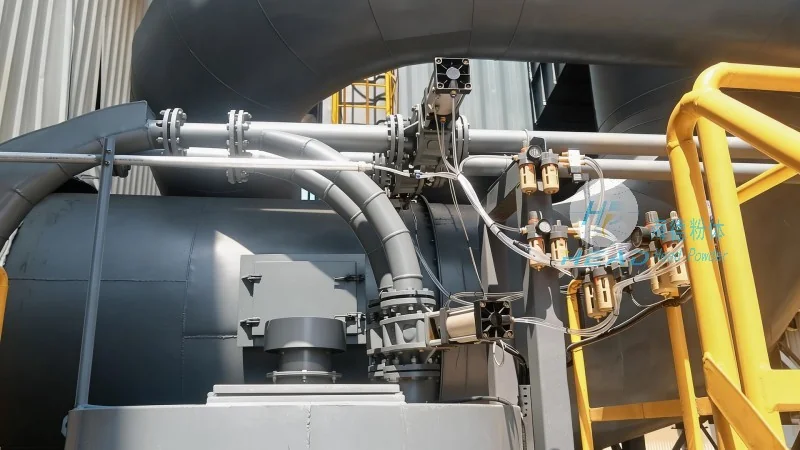
Common Work Scenarios for Air-Driven Conveying of Flocculants
Industrial applications of air-driven conveying for flocculants span various sectors, including water treatment, mining, and chemical processing. In water treatment plants, flocculants are used to coagulate and settle suspended solids in wastewater. The air-driven system efficiently transports the dry powder from storage silos to the dosing points, ensuring precise dosing and consistent treatment outcomes. In mining operations, flocculants aid in the separation of ore from gangue, and the conveying system must handle abrasive materials and varying particle sizes. The system's flexibility allows it to adapt to different ore types and processing conditions. Similarly, in chemical manufacturing, flocculants are used in processes like polymer production and slurry treatment. The air-driven conveyor ensures that the material is delivered to the reaction vessels or processing units without loss or degradation. Each scenario requires a tailored system design, considering factors like material flow rate, distance, and environmental regulations.
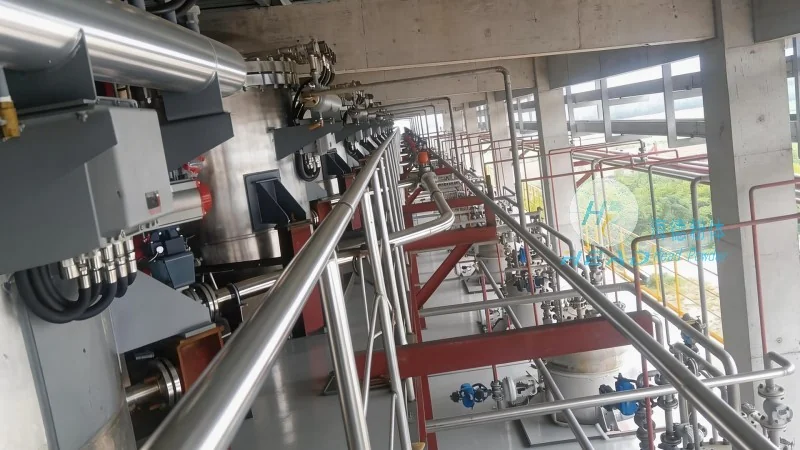
HeadPowder: Expertise in Air-Driven Conveying Solutions
Shandong HeadPowder Engineering Co., Ltd., commonly known as HeadPowder, is a leading provider of specialized air-driven conveying systems for dry powder materials, including flocculants. With a strong presence in China, the company has built a reputation for delivering high-quality, customized solutions that meet the unique needs of its clients. HeadPowder's expertise lies in understanding the complex properties of flocculants and designing systems that optimize their handling. The company's team of engineers and technicians work closely with clients to assess their specific requirements, from material characteristics to operational constraints. This collaborative approach ensures that the final system is not only efficient but also cost-effective and sustainable. HeadPowder's systems are engineered to handle the challenges associated with flocculant powders, such as fine particle size, moisture sensitivity, and the need for precise dosing. The company's commitment to quality is evident in its use of advanced materials and rigorous testing protocols, ensuring that each system meets or exceeds industry standards. By partnering with HeadPowder, industries can enhance their material handling processes, reduce downtime, and improve overall productivity.




