

What is a Powder Pneumatic Conveying System for Battery Anode Materials? And What Are Its Design Pri
For manufacturers in the battery industry, the efficient handling of anode material powders is a critical aspect of production. Powder pneumatic conveying systems offer a reliable solution to transport these materials with precision and minimal loss. This article explores the fundamental concepts behind such systems, focusing on their design principles and applications in the context of battery anode material processing.
Understanding Battery Anode Materials and Their Handling Challenges
Battery anode materials, such as graphite, silicon, and lithium iron phosphate, are typically fine powders with specific physical properties. These materials are sensitive to moisture, contamination, and agglomeration, which can affect battery performance. Traditional handling methods like bucket elevators or belt conveyors may introduce friction and particle degradation, making them less suitable for high-value anode powders. Pneumatic conveying systems address these challenges by using air to transport materials in a closed or semi-closed environment, reducing exposure to external factors.
Design Principles of Powder Pneumatic Conveying Systems
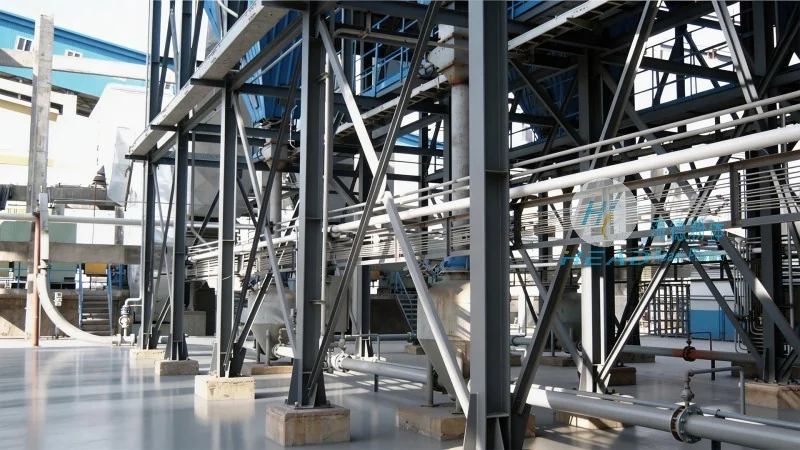
The core design of a pneumatic conveying system involves several key components, each optimized for the specific characteristics of battery anode materials. The system typically includes a hopper for material storage, a feeder to control the flow rate, a conveying line (either positive or negative pressure), and a receiver for the material's final destination. The choice between positive and negative pressure systems depends on factors like material properties, distance, and system complexity.
Positive pressure systems use a blower to push air and material through the line, while negative pressure systems use a vacuum to draw material. For battery anode powders, which are often light and fine, positive pressure systems are commonly preferred due to their ability to maintain consistent flow rates and prevent material degradation. The design also incorporates features like cyclones or filters to separate air from the material, ensuring that the final product remains clean and free from contaminants.
Key Components and Their Function in the System
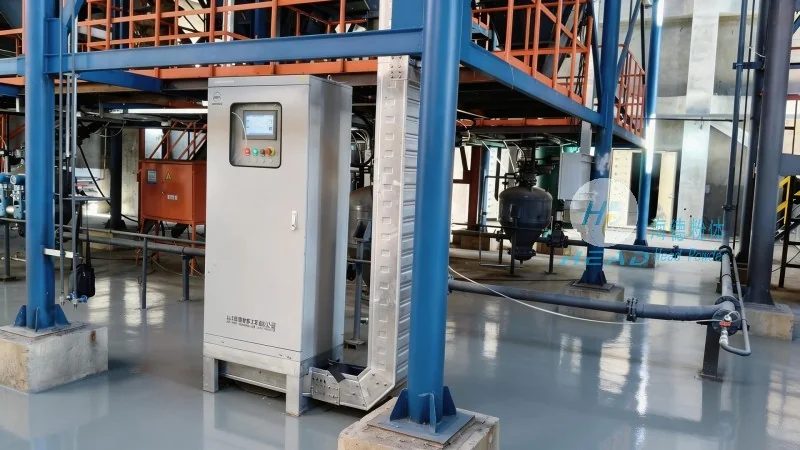
Each component of the pneumatic conveying system plays a vital role in ensuring efficient operation. The hopper, often equipped with a level sensor, provides a controlled feed of anode material. The feeder, such as a rotary valve or screw feeder, regulates the material flow to match the system's capacity. The conveying line, made of materials like stainless steel or plastic, is designed to withstand the abrasive nature of anode powders and prevent clogging. The receiver, typically a sealed container, collects the material and may include a discharge valve for further processing.
The blower or vacuum pump is the power source, generating the necessary pressure or vacuum to move the material. Its capacity and pressure rating are critical parameters, as they determine the system's conveying capacity and distance. For example, a high-capacity blower may be required for large-scale production lines, while a smaller unit may suffice for laboratory-scale testing.
Advantages of Using Pneumatic Conveying for Battery Anode Materials
Pneumatic conveying systems offer several advantages over traditional handling methods. They provide a closed system, which minimizes dust emissions and protects the material from moisture and contaminants. This is particularly important for battery anode materials, as even small amounts of moisture can significantly impact battery performance. Additionally, pneumatic systems can handle fine powders without causing agglomeration or particle breakage, preserving the material's integrity.
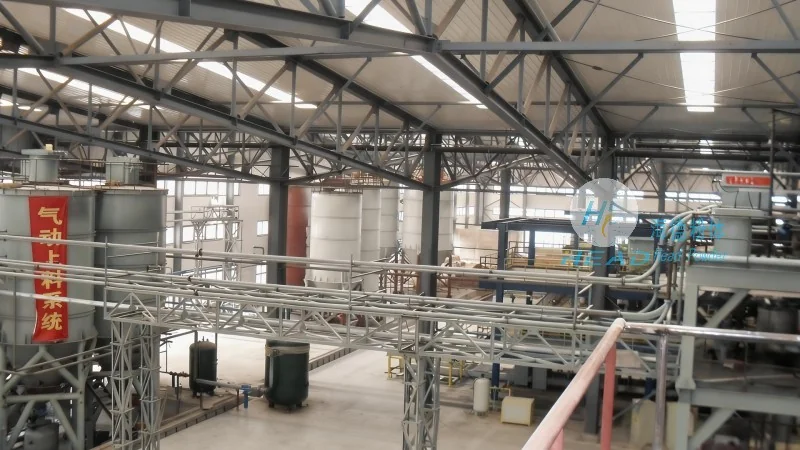
Another advantage is the flexibility of the system. It can be easily integrated into existing production lines and adapted to different material types or processing stages. The system's modular design allows for scalability, enabling manufacturers to expand their capacity as production needs grow. Furthermore, pneumatic conveying reduces labor costs by automating the material handling process, improving overall operational efficiency.
About Shandong HeadPowder Engineering Co., Ltd.
Shandong HeadPowder Engineering Co., Ltd., commonly known as HeadPowder, is a leading manufacturer specializing in powder handling equipment for the battery and other industrial sectors. With a focus on innovation and quality, HeadPowder designs and supplies customized pneumatic conveying systems tailored to the specific needs of its clients. The company's headquarters is located in Shandong, China, where it leverages advanced engineering and manufacturing capabilities to deliver reliable and efficient solutions.
HeadPowder's expertise lies in understanding the unique challenges of handling battery anode materials and developing systems that meet the highest standards of performance and safety. The company works closely with clients to assess their production requirements, providing tailored solutions that enhance operational efficiency and product quality. By combining technical expertise with customer-centric service, HeadPowder helps manufacturers optimize their material handling processes and achieve their production goals.