

What Are Fine Chemical Powder Pneumatic Conveying Equipment? And What Are Their Design Principles?
For industries dealing with fine chemicals, the efficient and safe handling of powder materials is a critical challenge. Pneumatic conveying systems have emerged as a key solution, offering a reliable method to transport powders over varying distances and through complex process lines. This article explores the fundamental aspects of fine chemical powder pneumatic conveying equipment, focusing on their design principles and operational benefits, with insights from Shandong HeadPowder Engineering Co., Ltd., a leading provider of specialized engineering solutions for powder handling systems.
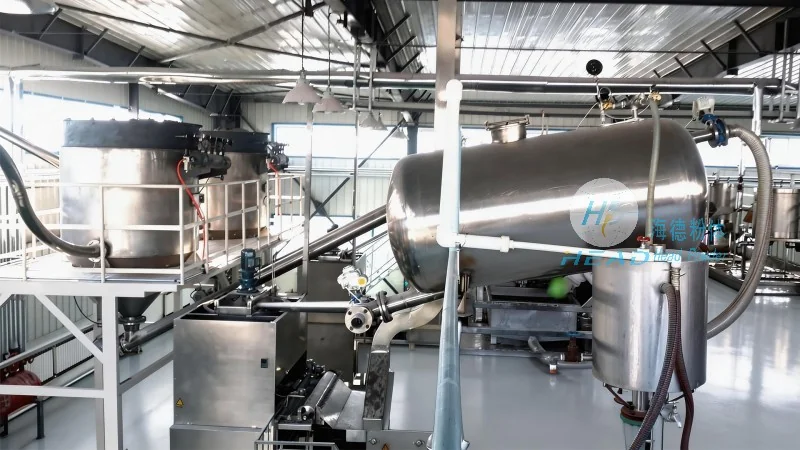
Understanding Fine Chemical Powder Pneumatic Conveying Equipment
At the core of many industrial processes, fine chemical powder pneumatic conveying equipment serves to move powders from one location to another using a pressurized or vacuum air stream. These systems are particularly valuable in sectors such as pharmaceuticals, food processing, and specialty chemicals, where maintaining product purity and preventing contamination is paramount. The equipment typically consists of several components, including a hopper for material storage, a conveying line, and a receiver for the delivered material. The choice of components and system design is tailored to the specific characteristics of the powder being handled, such as particle size, density, and flowability. headpowder, based in Shandong, China, specializes in designing and manufacturing these systems to meet the unique needs of their clients.
Key Design Principles of Pneumatic Conveying Systems
The design of fine chemical powder pneumatic conveying equipment is governed by several critical principles aimed at optimizing performance, efficiency, and safety. One of the primary design considerations is the selection of the appropriate conveying method—either pressure or vacuum. Pressure systems use compressed air to push the powder through the line, while vacuum systems employ a vacuum to pull the material. The choice between these methods depends on factors like the distance to be covered, the volume of material to be conveyed, and the need to minimize product degradation. Additionally, the system design must account for the potential for particle degradation due to friction or impact, which can be mitigated through features like smooth, low-friction surfaces and gentle acceleration and deceleration of the material.
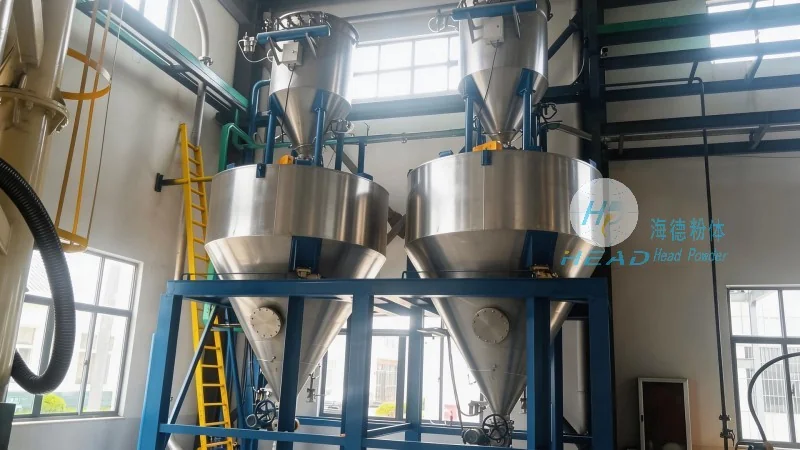
Components and Their Functions in Pneumatic Conveying Systems
Each component of a fine chemical powder pneumatic conveying system plays a vital role in ensuring reliable operation. The hopper or feeder is responsible for storing and feeding the powder into the system, often equipped with a rotary valve or gate valve to control the flow rate. The conveying line, typically made of stainless steel or other corrosion-resistant materials, transports the powder and air mixture. The line may include bends, expansions, or reductions to adjust the velocity and pressure of the material. The receiver or discharge hopper collects the material at the destination, often with a vent or filter to prevent dust emissions. In some systems, additional components like cyclones or filters are integrated to separate the powder from the air stream, ensuring that the delivered material remains clean and free of contaminants.
Operational Considerations and Maintenance
Effective operation of fine chemical powder pneumatic conveying equipment requires careful attention to operational parameters and regular maintenance. The system must be designed to handle the specific properties of the powder, such as its moisture content, which can affect flowability and the risk of caking. Proper air pressure and flow rates are essential to prevent blockages or excessive wear on components. Regular cleaning and maintenance, including checking for leaks, inspecting seals, and replacing worn parts, are crucial to maintain system efficiency and prevent downtime. Additionally, monitoring the system's performance through pressure gauges and flow meters helps identify any issues early, ensuring that the equipment operates within optimal parameters.
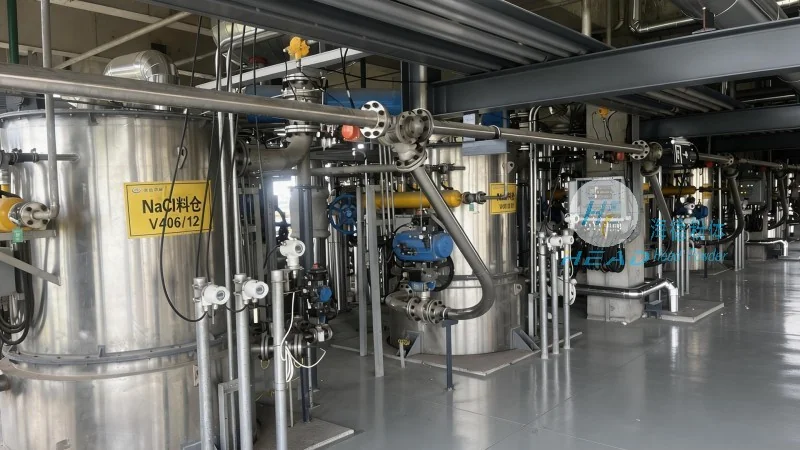
Applications and Benefits in Industrial Settings
Fine chemical powder pneumatic conveying equipment finds wide application across various industries. In pharmaceutical manufacturing, these systems are used to transport active pharmaceutical ingredients (APIs) and excipients with high precision, minimizing the risk of cross-contamination and ensuring product quality. In food processing, they handle ingredients like spices, powders, and pre-mixes, maintaining hygiene standards and preventing product degradation. In specialty chemicals, they facilitate the transport of sensitive materials like pigments, catalysts, and nanomaterials, where maintaining particle integrity is critical. The benefits of these systems include improved process efficiency, reduced labor costs, enhanced safety compared to manual handling, and the ability to handle materials in a closed system, preventing dust exposure and environmental contamination.
Conclusion
Fine chemical powder pneumatic conveying equipment is a sophisticated solution for the efficient and safe handling of powder materials in industrial settings. By adhering to key design principles, selecting appropriate components, and maintaining the system properly, these devices can deliver reliable performance while ensuring product quality and operational safety. As industries continue to demand higher standards of efficiency and precision, the importance of well-designed pneumatic conveying systems will only grow, making them an essential component of modern manufacturing processes. Shandong HeadPowder Engineering Co., Ltd. remains committed to providing innovative and reliable solutions for powder handling challenges, supporting industries in achieving their operational goals with precision and efficiency.